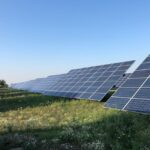
Expert Take: As Texas leads the nation in solar power installations, I see this as a final straw for homeowners reeling from rising utility costs and grid volatility. Investing in solar energy and a home battery not only shields you from unpredictable electric bills but also paves the way toward true energy independence. In a climate where ERCOT’s grid warnings loom, the choice is clear: adapt or be at the mercy of your energy provider.
Quick Summary: Texas’ surge in solar power installations is indicative of a broader shift towards energy independence, driven by rising electric bills and heightened grid concerns. Homeowners now recognize the value of investing in solar and battery storage to secure their energy future.
The Facts:
Texas now leads the nation in solar power installations, highlighting a growing trend in renewable energy adoption.
Rising electricity costs and ERCOT’s reliability issues are prompting homeowners to reconsider their energy sources.
Solar energy and home batteries are increasingly viewed as viable options for achieving energy independence.
Utility rate fluctuations, particularly those associated with ERCOT, underscore the appeal of self-generated energy.
This increasing adoption of solar energy could mitigate the impacts of future grid restrictions and blackouts.
Deep-Dive Analysis
The surge in solar energy installations in Texas stands as a testament to the shifting landscape of residential energy. With ERCOT’s grid warnings becoming more frequent, homeowners are rightly concerned about what lies ahead. In California, we’ve seen similar dynamics, particularly with utilities like PG&E rolling out rate hikes that burden consumers even further. The experience in California, where households deal with rates sometimes exceeding $0.30 per kWh, is increasingly echoed in Texas and beyond.
For residents in Texas, the current grid conditions serve as a wake-up call. ERCOT’s ongoing challenges, including capacity constraints during peak demand periods, raise the stakes for homeowners contemplating solar energy solutions. The decision is no longer about saving money alone; it’s about ensuring a reliable and stable electricity supply. When ERCOT has to issue warnings about grid stability, families must ask themselves—do I want to rely solely on the grid or invest in energy independence?
Looking at states like Arizona, where leaders in solar policy, such as APS (Arizona Public Service), continue to incentivize solar installations, the message remains clear: the future of utility energy is decentralized. Homeowners in these regions can benefit significantly from utilizing solar panels together with home batteries—enabling them to store energy and drive down electric bills. In fact, recent incentives can effectively eliminate upfront costs for many solar installations, allowing for quicker returns on investments—an attractive proposition given increasing electric bills.
For Californians, utility dynamics have forced many families to reevaluate their energy needs and explore alternatives. We can no longer ignore the fact that PG&E’s rate hikes could see charges climb higher, impacting budgets and driving families toward renewable solutions. As I’ve observed, investing in solar energy and a home battery system has proven to be an optimal solution to combat such erratic cost increases. This trend reflects a broader national movement towards energy independence, particularly in regions that feel the pinch of high electric bills and unreliable grids.
Solar energy continues to be a vibrant solution, especially as Texas soars in installations. However, one must not overlook the challenges that power grids face across the Sun Belt. ERCOT’s recent roller coaster of power supply alerts and warnings signals an urgent shift in how we think about energy. With rooftops across Texas adorned with solar panels, the implications are vast: energy independence is no longer a luxury; it’s a necessity.
For homeowners living in Florida or Arizona, the stakes are just as high. Policy changes in Florida are making it increasingly favorable to adopt solar energy, with friendly regulations aimed at promoting residential solar. Yet, as Texas demonstrates, the most significant advantage comes when we couple solar panels with home batteries. Homeowners can store excess energy generated during the day, utilizing it during peak periods when electricity prices inflates.
Each state’s energy landscape has distinctive challenges and opportunities, yet the unifying trend remains: rising electric bills and grid vulnerability act as catalysts for homeowners to seek alternative energy solutions. From PG&E’s dependence on rolling outages to ERCOT’s warnings, the clarity is evident that solar energy and home batteries are essential tools for achieving energy independence. As the electricity landscape evolves, we have the opportunity to break free from exorbitant electric bills and develop a sustainable future for our households.
Common Questions
How does Texas’ growth in solar power affect my energy costs?
The increase in solar power installations in Texas can lead to more affordable renewable energy options for homeowners. As competition grows, prices are likely to drop, reducing overall electric bills over time.
What role do home batteries play in energy independence?
Home batteries allow homeowners to store surplus solar energy generated during the day for use at night or during peak demand periods. This storage capability is crucial in achieving energy independence and mitigating reliance on the grid.
Can solar energy systems help with ERCOT’s grid instability?
Yes, by generating and utilizing their own power, homeowners can significantly reduce strain on the grid. This self-sufficiency minimizes the chance of being affected by grid instability, especially during peak demand times.