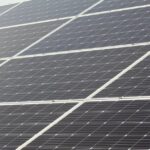
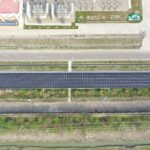
Expert Take: As a Senior Energy Analyst, I see the recent news from ERCOT not just as an update, but as a definitive urgency for homeowners in the Sun Belt. With escalating demands on the grid and increasing reliance on solar energy, the case for energy independence has never been clearer. Homeowners must consider the combination of solar technology and home battery systems to mitigate the financial impact on their electric bill and achieve true energy autonomy.
Quick Summary: Recent data from ERCOT shows that solar, wind, and batteries are becoming essential in meeting Texas’s rising energy demand. This shift underscores the need for homeowners to invest in renewable resources for energy independence.
The Facts:
ERCOT relies more heavily on solar energy, wind, and home batteries to meet increasing electricity demand.
Solar energy production is on the rise in Texas, supporting energy independence goals.
Battery storage solutions are critical for stabilizing the grid and improving energy reliability.
Rising energy costs make self-reliance through solar and battery systems economically viable.
Continued grid warnings highlight issues and risks associated with traditional energy infrastructures.
Deep-Dive Analysis
The landscape of energy consumption in states like California, Texas, Arizona, and Florida is undergoing a significant transformation, particularly in light of recent developments in Texas’ ERCOT grid. This transformation heavily revolves around renewable energy and storage solutions such as solar energy and home batteries. In Texas, ERCOT’s growing dependency on solar energy indicates a shift that homeowners cannot afford to ignore. With the rolling out of more renewable energy sources, the demand on the grid correlates with the necessity for what I term ‘energy independence.’
Take California, for instance, where utility giants like PG&E have repeatedly imposed rate hikes, driving up electric bills for residents. In this context, investing in solar panels and home batteries becomes critical. By equipping homes with solar arrays and efficient storage systems, Californians can generate their own electricity and buffer themselves against utility increases. The financial implications are significant: a well-designed solar energy system can offset as much as 50-100% of your electric bill, depending on usage and system capacity.
Texas, on the other hand, presents a unique profile with its deregulated energy market. ERCOT’s increasing reliance on renewables offers a resilient alternative to traditional energy sources, but it also introduces variability which homeowners must navigate. By adopting solar energy paired with home battery solutions, Texans can gain control over their energy sources, reduce their dependence on the grid, and ultimately stabilize their electric bills. ERCOT’s warnings about grid concerns spotlight an essential consideration: the more homeowners prioritize their own energy supplies, the less vulnerable they become to the state’s grid fluctuations.
Furthermore, Arizona’s energy dynamics are complex but equally revealing. With utility companies like APS facing pressure to adapt, customers are encouraged to consider solar investments. The sunny climate lends itself well to solar energy generation, and the introduction of home batteries can help manage peak demands — potentially avoiding excess charges on electric bills. The state has made strides in offering incentives for solar investment, yet many homeowners remain at the mercy of traditional energy systems, a state of affairs that is becoming increasingly untenable.
In Florida, the narrative is similarly fraught. Low electric bills historically lulled many residents into complacency. However, rising costs and the looming threat of more rate hikes from providers necessitate a re-evaluation of this perception. Florida’s favorable solar policies, including net metering, now provide homeowners with the opportunity to harness solar energy to offset their electricity usage. Coupling this with home battery technologies can significantly enhance a household’s resilience and affordability.
The financial aspect of energy independence is further illustrated by the costs associated with inaction. Homeowners in all these states face not only higher electric bills due to rising demand but also escalating risks tied to their traditional energy sources. By investing in solar energy, homeowners can not only protect themselves against these unpredictable expenses but also contribute positively to grid stability by utilizing home batteries.
In conclusion, homeowners across the Sun Belt have a vested interest in reevaluating their energy strategies in light of the EIA’s report on ERCOT. The rise of renewable energy technology presents an unmatched opportunity for achieving energy independence. Through a nuanced understanding of local utility dynamics, the adoption of solar and battery solutions becomes not just an environmentally responsible move but a financially strategic one, too. Our future will undoubtedly lean towards decentralization of energy, and now is the time to make that transition smoother and more cost-effective.
Common Questions
How will ERCOT’s focus on renewables affect homeowners in Texas?
As ERCOT increasingly relies on renewables like solar energy to meet demand, homeowners will have opportunities to invest in solar and batteries, enhancing their energy independence and reducing their electric bills.
What financial benefits can homeowners expect from adopting solar energy in California?
Californians can expect significant reductions in electric bills, often offsetting 50-100% of costs, as utility rate hikes make self-generated solar power a financially wise option.
Are there incentives for installing solar panels in Florida?
Yes, Florida offers favorable solar policies, including net metering, which can help residents save on electric bills and support the installation of solar and home battery systems.