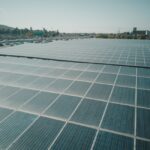
Expert Take: The recent news from the Federal Reserve Bank of Dallas signals a critical turning point for homeowners in Texas struggling with unreliable grid service. With ERCOT’s constant grid warnings, the need for Energy Independence has never been clearer; investing in solar energy combined with a home battery system can offer a lifeline. For many, this is the final straw in combating escalating electric bills while ensuring access to power during emergencies.
Quick Summary: The article underlines the importance of expanding solar and battery storage to maintain grid reliability in Texas. With the increasing strain on the grid, homeowners are being encouraged to invest in renewable energy solutions.
The Facts:
– Texas is facing significant challenges with grid reliability, often resulting in warnings from ERCOT.
– Homeowners heavily reliant on the grid are at risk during peak demand times.
– Solar energy, combined with home batteries, presents a viable alternative to conventional energy sources.
– Increased investment in solar and battery tech could alleviate demand on the grid.
– Homeowners are presented with a unique opportunity to achieve energy independence amidst rising electric bills.
The Current Landscape of Energy in Texas
An in-depth look at Texas reveals a state grappling with mounting pressure on its energy grid. The Electric Reliability Council of Texas (ERCOT) has issued warnings that specifically note a lack of sufficient resources to meet peak demand. This situation is compounded by climate events that destabilize dependable energy delivery, leaving residents wondering how they can ensure their homes remain powered.
The Role of Solar Energy and Home Batteries
Solar energy is no longer just an environmental choice; it has become a necessity for energy independence. For Texans, the move toward solar represents a shift away from reliance on traditional utilities. A home equipped with solar panels coupled with a home battery system can store energy generated during sunny days, making it available for use during nighttime or emergencies. This shift drastically reduces exposure to utility price hikes and helps stabilize electric bills.
California: An Ominous Parallel
California presents a cautionary tale for Texas as it has long struggled with unreliable grid infrastructures and escalating energy costs. Companies like PG&E have been notorious for their rate hikes, often leaving residents frustrated and financially strained. This scenario encourages the adoption of solar energy, particularly with California’s strong solar incentives, creating a more stable and independent energy source for homeowners. The rising cost of the state’s electric bills further reinforces the logic behind investing in home batteries; this can mitigate the financial burden of frequent rate hikes.
Arizona: The Market Opportunity
Arizona follows closely behind California regarding solar energy deployment, fueled by high sunlight hours and favorable policies. Utilities such as SRP and APS have also implemented their share of rate increases, pushing consumers to explore alternatives. Home batteries paired with solar solutions cater perfectly to the market dynamic of Arizona, bridging the gap between cost-efficiency and sustainable energy use.
The Importance of Offsetting ERCOT’s Pressure
For Texas homeowners, a continued reliance on a potentially vulnerable grid can lead to devastating consequences. ERCOT’s warning serves as a call to action, highlighting that during peak usage, individuals may encounter not only electricity shortages but also increased costs. By investing in a home battery and solar energy, residents can insulate themselves against these spikes in demand and ensure a reliable, self-sustaining power supply.
Challenges and Opportunities for Homeowners
As Texas tries to navigate the complexities of renewables, the barriers of initial investment costs versus long-term savings come into play. However, with installation costs plummeting and financial incentives provided by the state in the form of rebates and tax credits, the switch toward solar energy becomes increasingly attractive. Moreover, the integration of smart technology with home batteries means homeowners can optimize their energy use and further reduce their electric bills.
Future Trends in Energy Independence
The future will likely see a greater push for widespread solar deployment across Texas, particularly as ERCOT continues to issue warnings. The need for reliability in energy sources amid unpredictable volatility will create favorable conditions for homeowners to enhance their energy independence. Innovative technology and efficient energy use practices are needed to tackle future challenges, ensuring households can maintain a steady flow of power despite systemic pressures.
Final Thoughts on the Energy Transition
While the road to achieving energy independence involves various challenges, the benefits outweigh them. Becoming energy-independent through solar energy and home batteries offers not just a financial advantage but the peace of mind that comes from a reliable power source. As we continue to monitor developments in Texas and beyond, it’s clear that investing in renewable energy is a proactive step towards a more secure energy future.
Common Questions
1. What should Texas homeowners prioritize for better energy reliability?
Prioritizing the installation of solar panels alongside a home battery system will provide the most reliable form of energy independence against grid failings.
2. How can solar energy help mitigate ERCOT’s grid warnings?
By leveraging solar energy during daily peak sunlight hours, homeowners can reduce their reliance on ERCOT, thus lessening the strain on the grid during peak demand times.
3. What incentives exist for Texans to switch to solar energy?
Texas offers various tax credits and rebate programs designed to offset the initial costs of solar panel installation, making the transition to solar more financially feasible.