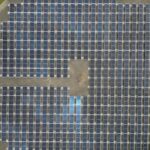
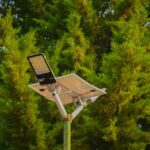
Expert Take: With ERCOT increasingly relying on solar, wind, and home batteries to meet rising energy demands, homeowners must recognize that achieving Energy Independence is no longer a luxury—it’s a necessity. As Texas battles extreme weather and grid reliability concerns, taking control of your Electric Bill through solar technology is crucial. This latest shift underscores the urgency for residents in the Sun Belt to invest in renewable resources that safeguard against uncertainty.
Quick Summary: ERCOT’s growing dependence on renewable energy sources like solar and batteries to satisfy increased demand signals a pivotal moment for homeowners. This trend highlights the pressing need for Energy Independence, particularly amidst reliability fears, pushing many to consider solar solutions seriously.
The Facts:
– ERCOT is integrating more solar and wind energy to meet rising electricity demands.
– Home batteries are being adopted to store excess energy and provide backup during outages.
– This shift reflects growing pressures on traditional grid systems as Texas experiences climate-related strains.
– Homeowners can significantly reduce their Electric Bill by utilizing solar energy and home batteries.
– ERCOT’s performance has implications for national standards in renewable energy integration.
The Shifting Landscape of Energy Production in Texas
The Electric Reliability Council of Texas (ERCOT) is transforming how energy is produced and consumed in the Lone Star State. With rising demand due to population growth and extreme weather events, the grid is being tested like never before. Recent reports indicate that ERCOT is increasingly meeting this burgeoning demand with solar energy, wind power, and energy storage solutions such as home batteries. This shift is not only a response to environmental concerns but is becoming a critical strategy for ensuring reliable electricity supply.
Understanding ERCOT’s Current Energy Dynamics
Traditionally reliant on fossil fuels, ERCOT is now in an unprecedented transition phase. The amount of solar power produced is skyrocketing, with projections estimating a capacity of over 30,000 MW of solar by 2025. Such growth underscores a palpable shift away from conventional energy sources, driven far more by economic incentives and technological advancements than regulatory mandates.
Texas homeowners must now reckon with the reality of increased Electric Bills stemming from these transitions. As renewable resources grow, the total number of customers dependent on traditional energy sources could face higher tariffs due to rate increases needed to maintain legacy grid structures. It becomes vital for homeowners, especially in the Texas market, to explore Energy Independence options via solar panels and home batteries.
Analyzing the Financial Impact for Homeowners
For homeowners in Texas, the financial implications of this shift to solar and home batteries are multifaceted. As traditional utilities may raise rates to compensate for infrastructure investments, those who adopt solar energy technologies can insulate themselves against these hikes. For instance, an investment of just $15,000 in a solar system with a home battery setup could yield estimated savings of approximately $1,400 annually on Electric Bills.
Communities affected by ERCOT’s decision-making process around renewable energy sources must pay attention to such forecasts. Falling costs for solar panels, which now average about $2.50 per watt, make it more feasible than ever to transition. Additionally, Texas energy policies are becoming increasingly favorable to solar adoption, offering rebates and tax incentives that can be quite lucrative.
Implications for California and Beyond
As we look at states like California, where residential energy independence is critical due to high electricity costs driven by utility rate hikes (think PG&E, SCE), Texas homeowners can learn valuable lessons. California’s initiatives for renewable energy adoption aim for a statewide target of 100% clean energy by 2045, driving rates higher as utilities navigate this transition.
The contrast between California’s aggressive renewable goals and Texas’s gradual shift can serve as both a cautionary tale and a road map for homeowners. By investing in solar solutions and home batteries, both states share a common narrative—offering a means towards reducing Electric Bills over the long haul while securing themselves against volatile grid conditions.
Emergency Preparedness and Energy Independence
The increasing reliance on renewables is not just a matter of financial prudence but also one of emergency preparedness. In California, frequent wildfires have led to Public Safety Power Shutoffs, disrupting lives and businesses. In Texas, recent ice storms caused widespread outages, highlighting the fragility of traditional grid systems. Homeowners equipped with home batteries can keep their lights on and maintain essential services during such disruptions, further cementing their Energy Independence.
In this context, ERCOT’s reliance on solar and wind can be viewed as a protective measure—a way for residents to shield themselves from external shocks rather than being entirely dependent on a grid that may falter. With the right investments, homeowners across California, Texas, Arizona, and Florida can embrace a future of Energy Independence that meets both their environmental and economic needs.
Common Questions
How does relying on solar energy affect my home’s value in Texas?
Investing in solar energy has been shown to increase property values. Homes with solar installations can command a premium compared to those without, offering a financial incentive beyond just monthly savings on Electric Bills.
What are the specific advantages of home batteries in emergencies?
Having a home battery means retaining power during outages, providing uninterrupted electricity for essential appliances, lights, and devices. They can be critical during extreme weather events common in Texas, ensuring homes remain livable and functional.
How can I prepare for potential utility rate increases in Texas?
By investing in solar energy and a home battery system, you can achieve Energy Independence and mitigate the effects of future rate increases. These systems allow you to generate and store your own electricity, reducing reliance on the grid.