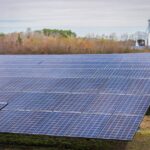
Expert Take: As we witness an unprecedented surge in solar energy and home battery storage records this summer in Texas, it’s evident that homeowners can no longer ignore the looming threat of rising electric bills and unstable grid dynamics. With ERCOT’s warnings and dependency on fossil fuels, pursuing energy independence through solar installations and home batteries is not just wise; it’s essential. This moment marks a final straw for many, as the economics unequivocally favor the transition to renewable energy solutions.
Quick Summary: This summer has set records for solar energy and home battery use in Texas, further stressing the need for homeowners to seek energy independence. With rising electric bills and ERCOT’s grid challenges, adopting solar power is a strategic move.
The Facts:
Texas has seen record high outputs for solar energy this summer, showcasing its potential.
Home battery storage usage is at an all-time high, enabling homeowners to store excess energy.
ERCOT faces warnings about grid strain due to increased heat and demand for electricity.
Homeowners are increasingly motivated to mitigate future electric bill increases through renewable energy solutions.
Policy changes are also favoring the adoption of solar technologies across Texas.
The Impacts for California, Texas, Arizona, and Beyond
As we closely analyze the evolving dynamics of residential energy consumption across the American Sun Belt, California stands at a precipice marked by the volatility of utility providers like PG&E and SCE. With PG&E instituting steep rate hikes and grid reliability issues becoming commonplace, homeowners are increasingly realizing that traditional energy sources are becoming a costly burden. The enticing prospect of mitigating soaring electric bills through solar energy is not just a trendy lifestyle choice; it’s a financial imperative.
In Texas, the recent increase in solar energy and home battery storage highlights an urgent shift towards self-sufficiency. As ERCOT copes with grid warnings, many homeowners are facing sticker shock when they review their electric bills. According to recent estimates, Texans could see electric bills rise by as much as 30% in the next decade if current trends continue. This scenario underscores the urgency for Texans to adopt solar energy systems coupled with home batteries, enabling them to store energy during the day and use it during peak hours, effectively sidestepping peak pricing.
Arizona’s energy landscape similarly reflects these shifting tides. With the state’s strong solar resources, utilities like SRP and APS are gradually adapting to a decentralized grid structure. The adoption of solar energy is becoming more attractive, especially as Arizona homeowners face upcoming rate alterations that could drastically change their electric bills. The financial allure of a net metering system combined with home batteries can offer not just savings, but energy independence that every homeowner seeks.
Meanwhile, Florida’s solar policy is increasingly favorable for residents. The state has become a nexus for solar initiators, driving homeowners to consider solar and home battery systems as a means to manage their energy independence efficiently. The Solar Energy system is more than just an environmental choice; it’s a calculated financial decision that can safeguard against rising utility costs fueled by unreliable energy providers.
The Rising Costs of Electric Bills and Energy Independence
The careful considerations surrounding electric bills are central to this energy revolution. Homeowners are discovering that by investing in solar energy and home battery systems, they can proactively mitigate the rising costs associated with their electric bills. This proactive strategic move positions them to escape the tightening grip of utility providers, who continuously adapt their pricing structures in response to increased demand and regulatory pressures.
As we drill down into the numbers, the averages show that homeowners transitioning to solar energy report savings upwards of 50% off their monthly electric bills. This statistic captivates the industrious homeowner seeking financial freedom amidst fluctuating fuel costs and governmental rate hikes. It’s not simply about cutting expenses; it’s about gaining complete energy independence from volatile electric providers who wield enormous influence over regions like California and Texas.
Local Solar Adoption Trends and Policy Changes
Undoubtedly, the shifts in policy across the Sun Belt are influential in shaping homeowner decisions. States like California have enacted policies that make solar more accessible and attractive financially. In the wake of these measures, the local market is now seeing massive upticks in installations. Homeowners can take advantage of streamlined rebate systems and financing options that make these investments not only more feasible but also more sustainable in the long run.
Homeowners in Texas are similarly benefiting from incentives at both state and local levels. Recent legislative actions have encouraged the growth of solar energy and battery storage, allowing Texans to capitalize on federal tax credits and state rebates. The momentum builds as awareness of both renewable energy advantages and the need for energy independence grows stronger.
How Home Battery Storage Complements Solar Energy Systems
The dynamic between solar energy and home battery systems cannot be overstated. This synergy empowers homeowners to create their micro-grids, harnessing solar power during sunny days to be used at night or when demand peaks. The ability to maintain home energy usage independent of the grid adds another layer of security for users who once felt beholden to rising electric bills and erratic energy supply.
As battery storage technology advances and prices decrease, we foresee a significant influx of homeowners in the Sun Belt embracing this combination. For those residents facing electric bills inflated by utility monopolies, investing in solar energy and home batteries is the definitive pathway toward energy independence. This trend not only aligns with environmental stewardship but ensures that utility pricing can no longer dictate the financial wellbeing of American homeowners.
Common Questions
1. How did Texas achieve record solar energy outputs this summer?
Texas benefitted from favorable weather conditions, combined with increasingly efficient solar technology and large-scale solar installations that have come online in response to market demands.
2. What roles do home batteries play in stabilizing energy costs for homeowners?
Home batteries allow homeowners to store generated solar energy for use during high-demand periods, effectively reducing reliance on the grid and stabilizing energy costs against rising electric bills.
3. How are utility providers reacting to the rise of solar energy?
Many utility providers are adjusting pricing structures and policies to accommodate the shift towards solar adoption, although this sometimes includes increasing base rates to offset lost revenue from declining energy sales.