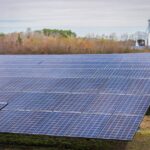
Expert Take: With Texas breaking records for solar energy and home battery storage this summer, homeowners must recognize this as a final straw—a clear signal that traditional utility dependence is unsustainable. The rising costs of electric bills and the increasing grid instability, particularly with ERCOT warnings, underscore why pursuing energy independence through solar energy and home battery systems is not only logical but essential. Ignoring these developments could leave homeowners vulnerable to even higher utility rates and energy shortages.
Quick Summary: This summer, Texas has seen unprecedented levels of solar energy production and home battery usage, highlighting a crucial shift in how homeowners can achieve energy independence. As the state experiences ongoing grid challenges, the importance of solar solutions becomes more apparent for sustainable and reliable energy sources.
The Facts:
– Texas achieved record solar energy production this summer, showcasing its strong potential.
– Home battery storage reached new highs, demonstrating increasing consumer adoption.
– ERCOT issued multiple grid warnings, raising concerns about energy reliability.
– Homeowners are facing higher electric bills, pressuring them towards self-sufficiency.
– The trend of solar energy adoption is growing in Sun Belt states, influencing policies and installations.
Deep-Dive Analysis
In Texas, the summer of 2023 has been a pivotal period for solar energy and home battery storage. With remarkable production levels, Texans are beginning to recognize the long-term value of investing in solar. As someone deeply entrenched in the dynamics of energy in the Sun Belt, I can assert that these advancements have implications that reach far beyond Texas. We must delve into these changes and understand their influence on both consumers and grid stability.
As solar energy flourishes in Texas, it has implications tied to ERCOT’s reliability concerns. Throughout the summer, ERCOT issued warnings about potential power shortages. With peak demand escalating, the reliance on traditional grid systems is less viable. In contrast, homeowners equipping their residences with solar panels and home batteries find themselves shielded from these utility uncertainties. This technology provides immediate savings on electric bills while reinforcing grid resilience.
In states like California, where utilities like PG&E and SCE frequently increase rates, solar adoption becomes even more vital. With PG&E’s documented rate hikes compounding the challenges of an already high cost of living, energy independence through solar energy allows homeowners to combat these financial strains. As the electric bill rises, the allure of self-generated, renewable energy becomes increasingly appealing, positioning homeowners to secure stable costs in an otherwise volatile energy market.
Moreover, California’s pursuit of renewable energy is marked by state mandates that seek to transition away from fossil fuels entirely. Many California homeowners are already utilizing home battery systems to store energy generated during peak solar hours for use in the evening or during outages. This development not only caters to personal energy needs but also contributes to the overall goal of energy sustainability within the state.
Arizona presents its unique challenges with utility structures that sometimes limit the benefits of solar initiatives. However, recent discussions around solar policies, particularly with APS and SRP, suggest a gradual shift favoring net-metering policies instead of strictly limiting how residents can build a solar infrastructure. This evolving policy landscape reflects an understanding that energy independence via solar energy is crucial for economic stability.
Homeowners in Florida, monitoring the solar energy market closely, have specific financial incentives driving them toward energy independence, especially as the electric bills rise. Florida’s reputation as a solar-friendly state means more residents are gravitating towards solar panel installation and battery use. Additionally, with increased threat from hurricanes and their impacts on grid stability, solar energy systems equipped with home batteries provide reliability during outages.
As we move forward, it’s critical to assess how Texas’ summer performance can serve as a model for other Sun Belt states. The trend of harnessing solar energy will continue to gain traction amidst climbing electric bills and the quest for energy stability. Home battery systems are not merely an option anymore; they represent a necessary investment toward a more resilient energy future.
With a focus on energy independence and sustainable living, the alignment of solar energy production and battery storage with underlying socio-economic dynamics can act as a pivotal factor—especially in regions like California and Texas where climate challenges are consistently at the forefront. It’s clear that as we adapt to fluctuating energy landscapes, those who invest in solar now will not only recover costs over time but will also pioneer the shift toward sustainable living.
Common Questions
What environmental benefits can Texas homeowners anticipate from increased solar energy adoption?
Increased solar energy adoption in Texas reduces reliance on fossil fuels, which contributes to lower greenhouse gas emissions and enhances air quality, leading to a healthier environment.
How does ERCOT’s grid uncertainty impact the financial planning of Texas homeowners?
ERCOT’s grid uncertainty can lead to fluctuating energy prices and potential outages, causing homeowners to reconsider energy strategies, often pushing them towards investing in solar and home batteries to achieve financial autonomy.
What are the financial implications for California residents choosing solar energy amid PG&E rate hikes?
California residents adopting solar energy can significantly offset the impact of PG&E’s rate hikes, reducing their long-term electric bills and enabling more predictable energy costs.