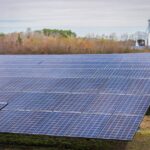
Expert Take: With Texas breaking summer solar and battery storage records, homeowners can no longer ignore the writing on the wall—embracing solar energy combined with home batteries is not just a smart choice, but a necessary strategy for achieving true energy independence. As ERCOT warns of grid strain during peak demand, relying on conventional energy sources is becoming increasingly untenable. It’s time to take control of our electric bill and invest in sustainable solutions that protect us from rising utility costs.
Quick Summary: This summer marked unprecedented growth in solar energy and battery storage in Texas, highlighting the urgent need for homeowners to pursue energy independence. Given ERCOT’s grid warnings, now is the critical moment to consider investing in solar solutions.
The Facts:
– Texas set new records for solar energy production and home battery storage this summer.
– ERCOT has warned of continued grid stress due to high summer energy demands.
– Homeowners are increasingly turning to solar as a hedge against rising utility costs.
– Financial incentives for solar and battery installations are becoming more favorable in Texas.
– Energy independence through these technologies can significantly reduce electric bills.
Deep-Dive Analysis
The summer of 2023 has been particularly telling for energy dynamics across the Sun Belt, and Texas is at the forefront with its record-setting solar energy production and home battery storage. As we parse through this news, the implications are particularly pronounced for a state that has faced its fair share of grid reliability issues. During peak demand days, the Electric Reliability Council of Texas (ERCOT) has been vocal about the challenges posed by the high load, making this summer a “final straw” for many homeowners who wish to avoid getting caught in the chaos. A shift towards solar energy and home battery systems offers an escape route that aligns financial prudence with sustainability.
In California, similar narratives have unfolded. The state has been grappling with escalating utility rates from providers like PG&E, which has seen numerous rate hikes due to wildfire mitigation efforts and aging infrastructure. As a result, homeowners are feeling the pinch on their electric bills. In response, many have turned to solar installations and home batteries—driven not only by state incentives but also by the desire to gain energy independence in the wake of electric shutoffs and mounting costs.
For Texas homeowners, the recent surge in solar energy production provides a once-in-a-lifetime opportunity. The state’s standing utility, ERCOT, has aptly warned of grid stresses and potential blackouts, emphasizing the urgency in transitioning to solar solutions. This summer alone, solar capacity grew significantly, and the state is on target for a full storage capacity of 14,000 Megawatt-hours by 2024. This remarkable increase in energy storage enables users to rely less on the grid and more on their own energy generation, effectively reducing electric bills amidst volatile utility ecosystems.
Arizona and Florida offer additional layers of complexity and incentive. In Arizona, the SRP utility has established minimal incentive structures for moving towards solar, yet rising energy bills have prompted many in the region to explore alternatives to traditional energy sources. This leap towards energy independence could be a game changer for homeowners who are part of that extraordinary solar growth and who aim to keep their electric costs manageable.
On the other hand, Florida’s solar policies continue to evolve, but the sunshine state still lags behind Texas and California in total solar capacity despite its ample sunlight resources. However, as state laws shift to promote residential solar energy, the growing likelihood of an upcoming battle over net metering rules could further empower Florida homeowners looking to break free from traditional utilities.
Strategies like battery storage complement solar energy by ensuring that homeowners not only produce their own energy but can also utilize it during peak demand times or outages. This integration ensures reliable energy while simultaneously supporting the local grid during times of high demand. The financial implications are significant, with many finding savings of up to **80%** off their monthly electric bills by fully committing to energy independence.
Given the pressure from rising bills and potential grid instability, now is the ideal time for homeowners across the Sun Belt to reevaluate their stance on energy independence. The power to reduce one’s electric bill while mitigating dependence on traditional utility companies lies directly in the hands of homeowners willing to invest in solar energy and home battery systems. This trend is not merely a response to climate or energy concerns but a crucial financial strategy in today’s volatile energy landscape.
Common Questions
How has the growth of solar energy in Texas affected the energy market?
The rapid growth of solar energy has increased competition in the energy market, encouraging both lower rates and innovative solutions like home battery systems to ensure reliability and price stability during high-demand periods.
What are the financial savings associated with switching to solar energy in Texas?
Many homeowners report savings of up to **80%** on their electric bills by transitioning to solar energy, especially as they utilize home batteries to manage consumption during peak hours.
How do home batteries enhance the solar energy experience for homeowners?
Home batteries store excess energy produced during the day for use in the evening or during outages, adding a layer of independence from the grid and further lowering electric bills, particularly during peak demand.