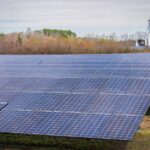
Expert Take: For homeowners in the Sun Belt, the surge in solar energy adoption highlighted in Texas is a final straw, underscoring the urgent need for energy independence. Rising electric bills and increasing utility rate hikes, like those from PG&E in California, only amplify the rationale for investing in residential solar and home battery systems. Embracing solar technology is the logical solution to achieve energy autonomy and secure protection against fluctuating energy costs.
Quick Summary: Texas is making significant strides in wind and solar energy, which signals a market shift toward renewable sources. This development highlights the importance of energy independence through solar systems and home batteries for residential consumers.
The Facts:
Texas is rapidly integrating wind and solar energy into its grid infrastructure.
Homeowners can significantly reduce their electric bills by utilizing solar energy and home batteries.
Energy independence is becoming increasingly achievable for homeowners in the face of rising utility costs.
In Texas, ERCOT has been adapting to accommodate renewable energy sources.
This trend represents a fundamental shift in how homeowners manage their energy consumption and financial outlays.
Deep-Dive Analysis
In the context of California, the significant increases in electric bills implemented by utilities such as PG&E highlight why residential solar energy systems are not just a luxury but a necessity. With PG&E consistently raising rates, averaging about **6-10% annually**, homeowners will feel the financial strain more than ever, especially as demand soars during peak summer months. To combat these rising costs, investing in solar energy has become a logical step toward energy independence. Not only does solar reduce a household’s electric bill—some homeowners report savings of up to **75%**—but it also serves to buffer against future rate hikes.
Similarly, ERCOT in Texas is facing its own challenges with grid stability even as it encourages the proliferation of renewable resources. The state’s pivot to wind and solar energy has proven beneficial in reducing the cost of energy over time. However, with grid warnings becoming more frequent due to unpredictable weather patterns and demand surges, the need for battery storage solutions becomes vital. Home batteries allow homeowners to store energy collected during sunlight hours for use during peak times or emergencies, promoting true energy independence.
Arizona’s utilities, such as APS, offer their own perspective on this emerging trend. As the state leads in solar installations per capita, the utility’s policies have begun to change—a response to both consumer demand and environmental commitments. Tax credits and a burgeoning market for home batteries have incentivized homeowners to retrofit their properties with solar panels, turning their homes into acts of independence while mitigating the sting of increasing electric bills in the process. With electric bills rising and potential future rate adjustments looming, the argument for energy independence through solar investment is stronger than ever.
The financial implications of going solar are even more pronounced when considering utility rates. In California, for instance, households can expect to pay as much as **$200-$300** monthly for electricity, a figure that only seems to trend upwards. This is reflected in the California Energy Commission’s projections that signal consistent growth in energy costs. The prospect of energy independence through solar energy and home batteries presents a compelling narrative for homeowners seeking stability in their finances.
As each state navigates its unique energy landscape, the trend towards greater adoption of renewable energy sources, combined with storage technologies, highlights a collective shift towards energy independence in the Sun Belt and beyond. Homeowners aren’t just embracing solar energy for their comfort; they’re investing in a sustainable future free from the grips of oppressive utility bills, a future that aligns with clean energy goals and personal financial freedom.
Common Questions
How does the growth of solar energy in Texas impact my electric bill?
The growth of solar energy in Texas can lead to significantly reduced electric bills for homeowners who invest in solar panels and home batteries, enabling them to generate their own power and lessen their reliance on the grid.
What role do home batteries play in energy independence within the Sun Belt?
Home batteries provide a crucial backup storage solution, allowing homeowners to store solar energy for use during periods of high demand or outages, which enhances their energy independence and reduces dependency on external power sources.
Are there any state-specific incentives for adopting solar energy in the Sun Belt?
Yes, states like California, Texas, and Arizona offer various incentives such as tax credits, rebates, and net metering options to encourage homeowners to adopt solar energy and battery storage systems, further promoting energy independence.