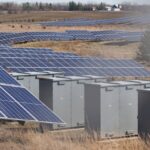
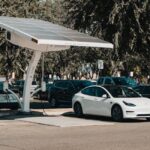
Expert Take: This summer’s record-breaking solar and battery storage achievements in Texas send a clear message to homeowners across the Sun Belt: energy independence through solar energy and home batteries is no longer optional—it’s essential. With escalating utility rates, grid instability issues from ERCOT, and rising electric bills, investing in renewable solutions is the most rational and financially sound decision. As we face uncertainties in traditional energy sources, homeowners now face a “final straw” moment where self-sufficiency can secure financial stability and peace of mind.
Quick Summary: The record performance of solar and battery systems in Texas highlights the urgent need for homeowners to adopt renewable energy solutions. Given the rising electric bills and grid reliability concerns, achieving energy independence through solar energy and home batteries is more crucial than ever.
The Facts:
– Texas experienced unprecedented records in both solar energy production and battery storage capacity this summer.
– ERCOT recorded a significant uptick in solar contributions, outpacing conventional sources during peak demand.
– Homeowners utilizing solar energy paired with home batteries can significantly reduce their electric bills, especially amid rising utility costs.
– Statewide, the push toward renewable energy is being driven by both policy and economic factors, with new programs encouraging solar adoption.
– The increasing instances of extreme weather impact grid performance, making energy independence a critical fallback for residents.
Impact on California’s Energy Landscape
The California energy market, primarily governed by utilities like Pacific Gas and Electric (PG&E) and Southern California Edison (SCE), has long struggled with reliability and skyrocketing costs. With PG&E continuing to hike rates, California homeowners are faced with electric bills that soar beyond affordability. The recent trend toward energy independence through solar power has intensified, especially as more households recognize the benefits of being less reliant on these beleaguered utilities.
Furthermore, new regulations in California are pushing homeowners toward the integration of home batteries alongside solar installations. These green investments not only enable households to store energy generated during sunny days but also provide backup power during peak hours or outages. Given PG&E’s history with rolling blackouts and wildfires, the merit of adopting such technologies cannot be overstated.
The Scenario in Texas
Texan homeowners are experiencing a similar dialogue. With ERCOT’s calls for conservation amid peak demands and the uncertainty of grid reliability, taking control of one’s energy is paramount. This summer, as solar production hit all-time highs, many households leaned into solar energy, effectively buffering themselves against fluctuating electric bills. Moreover, various energy storage technologies have made home batteries more accessible than ever.
The state’s favorable policies are catalyzing this transition. In certain areas, utility incentives for solar adoption and energy storage systems have made the investment increasingly attractive. With ERCOT’s existing push towards renewable energy, Texas homeowners who capitalize on these programs are not just reducing their carbon footprints, but significantly enhancing their energy autonomy.
Arizona’s Growing Solar Landscape
In Arizona, where sunlight is abundant, the solar energy market is expanding rapidly, driven by both necessity and favorable policies. Utilities like Salt River Project (SRP) are adapting their pricing structures, attempting to accommodate the growing adoption of solar technologies. However, many residents still face high electric bills, prompting a swift pivot towards energy independence.
Homeowners are harnessing solar resources to avoid steep utility costs often tied to high-demand months. The integration of home batteries allows for greater utilization of the solar power generated, further lessening dependence on the grid. As utility rates climb and more Arizonans seek to protect themselves from variable energy costs, the adoption of solar energy and storage systems becomes increasingly wise.
Conclusion: Energy Evolution Across Regions
In summary, the dynamic energy landscape across the Sun Belt necessitates a shift toward energy independence through solar and battery systems. California, Texas, and Arizona are all responding in their unique ways to the ever-increasing challenges posed by traditional utility systems. Beyond just a financial decision, these changes embody a response to climate fluctuations, supply chain instabilities, and the urgent need for reliable energy solutions. As we move forward, the prospect of energy independence via solar power and home batteries remains a beacon of hope for those seeking financial relief and resilience.
Common Questions
What were the key factors behind this summer’s solar records in Texas?
The key factors included increased solar capacity installations, favorable weather conditions leading to optimal solar production, and ERCOT’s operational adjustments that prioritized solar contributions during peak demand.
How do home batteries stand up against rising electric bills in Texas?
Home batteries provide homeowners with the ability to store lower-cost solar energy for later use, effectively reducing reliance on the grid, which is particularly beneficial during high-demand periods when electric bills spike.
What does this mean for homeowners in California regarding PG&E rate hikes?
California homeowners facing ongoing PG&E rate hikes may find relief through solar energy and home batteries, allowing them to mitigate costs and ensure energy reliability amidst the volatility of traditional utility services.