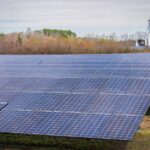
Expert Take: The recent surge in Texas’ commitment to wind and solar power is a powerful signal for homeowners across the Sun Belt. With utilities facing stark challenges and the looming threat of rate hikes (like PG&E’s), turning to solar energy and investing in a home battery is not just sensible but a necessary step toward energy independence. Homeowners can no longer afford to rely on the unstable grid, especially as electric bills continue to rise.
Quick Summary: Texas is increasingly becoming a leader in wind and solar energy, which highlights the importance for homeowners in the Sun Belt to consider energy independence through solar solutions.
The Facts:
– Texas is leaning heavily into wind and solar power to diversify its energy grid.
– Homeowners face concerns over electric bills and grid reliability, especially during peak demand periods.
– The integration of renewable energy sources is crucial for future energy stability.
– Solar energy adoption can significantly reduce reliance on utility providers.
– The push for energy independence is more vital than ever as utility rate hikes loom.
Impact Analysis for Key States
As we delve into the implications of Texas’ energy transition, it’s important to examine how similar dynamics unfold across California, Arizona, and Florida. Each of these states has unique challenges and opportunities tied to energy independence and solar adoption.
California: Navigating Rate Hikes and Grid Challenges
In California, utilities like PG&E and SCE have faced intense scrutiny over recurring rate hikes and ongoing grid reliability issues. Homeowners are dealing with increased electric bills which are projected to rise even further due to heightened demand and aging infrastructure. Consequently, many are turning to solar energy to buffer themselves against these financial burdens. The installed cost of a typical residential solar system has decreased significantly, making it an attractive option for residents seeking energy independence. Furthermore, the integration of a home battery adds a layer of security, allowing homeowners to store excess energy generated during the day for use during peak demand hours or outages.
Texas: ERCOT and the Push for Renewables
Meanwhile, in Texas, the Electric Reliability Council of Texas (ERCOT) has made headlines for its innovative strides towards renewable energy, yet it has come with growing pains. The commitment to renewables has been a double-edged sword; while generation capacity increases with the rise of wind and solar, grid reliability remains a crucial concern. Homeowners are feeling the pressure to achieve energy independence amidst warnings from ERCOT about grid strains forecasted during extreme weather events. Investing in solar energy can prove beneficial not just financially but also as a form of resilience against potential outages. Having a home battery to store energy ensures that homeowners have power even if grid resources dwindle, providing peace of mind in a volatile market.
Arizona: Strong Solar Policies and Homeowner Benefits
In Arizona, the landscape for solar energy is distinct, thanks in part to robust policies encouraging solar adoption. Utilities like APS and SRP are increasingly supportive of solar installations, leading to attractive net metering programs that benefit homeowners. The result is a rapidly expanding market for residential solar systems. For Arizonians, becoming less reliant on the grid by adopting solar energy, alongside a home battery, is rapidly becoming a viable path toward energy independence. The state’s abundant sunshine enhances the effectiveness of solar panels, allowing for substantial reductions in electric bills, further incentivizing the switch to renewable energy.
Florida: The Solar Fight and Consumer Rights
In Florida, the solar landscape is shaped by both opportunity and challenges. While there’s a clear push for solar energy, policy hurdles can impede growth. Homeowners face pressure from utilities, and though higher electric bills are a reality for many, initiatives to encourage local solar adoption are underway. We see many Floridians recognizing the benefits of a home battery to achieve energy independence. As they navigate through legislative obstacles, residents investing in solar energy are effectively taking control of their energy costs and bolstering resilience against the fluctuating energy market.
Common Questions
What are the main drivers behind Texas’ increased focus on wind and solar power?
The main drivers include the need to diversify energy sources for improved reliability, regulatory pressures, and economic incentives that promote renewable installations, ultimately aiming for a more sustainable energy grid.
How does California’s approach to solar energy differ from Texas’?
California’s approach is more focused on strict regulations and aggressive renewable energy targets, while Texas emphasizes competitive markets allowing more flexibility in energy generation, including renewables like wind and solar.
What role do home batteries play in achieving energy independence across the Sun Belt?
Home batteries are critical for storing solar energy, ensuring that homeowners can access power during peak demand or outages, thereby reducing reliance on the grid and mitigating rising electric bills.