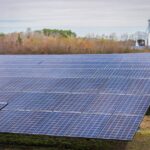
Expert Take: With California lawmakers increasingly failing to curb skyrocketing electricity costs, homeowners are reaching a breaking point. This environment has made **Energy Independence** through **solar energy** and a **home battery** system not just an option, but a necessity. As the pressure of rising **electric bills** mounts, investing in personal energy solutions is the most practical and financially savvy response for homeowners in the Golden State.
Quick Summary: California lawmakers are struggling to reduce electricity bills, leaving residents to seek personal solutions like solar energy and home batteries to achieve energy independence.
The Facts:
– California is facing significant electricity rate hikes from PG&E and SCE.
– Lawmakers acknowledge the need for reform but are hampered by internal conflicts and external pressures.
– Rising electricity costs are pushing residents to consider alternative energy solutions.
– The push for renewable energy sources aligns with California’s environmental goals but often skips over immediate financial relief for homeowners.
– Many Californians are turning to solar energy systems and home batteries to mitigate increasing electric bills.
The Impacts of Rising Electricity Costs in California
California is no stranger to high electricity bills, with utilities like PG&E and SCE consistently driving costs upward. Significant rate hikes have left homeowners grappling with bills that can easily exceed **$200 to $300 monthly** depending on usage. Electric bills aren’t just numbers on a statement; they represent the increasing burden on households that are already navigating the high costs of living in one of the nation’s most populous states.
As lawmakers seek solutions, the complexity of the situation reveals that simply lowering rates may not be feasible without substantial political negotiations and interventions. Moreover, while legislative initiatives may gradually materialize, the reality is that waiting for government action often leaves homeowners vulnerable to the immediate impacts of utility price hikes. Therefore, the urgency of switching to **solar energy** initiatives becomes increasingly clear; it presents a sustainable option that can mitigate electricity bills long-term.
Texas: ERCOT and Oncor’s Electricity Woes
While California struggles with its utility giants, Texas faces its own challenges, notably with ERCOT’s warnings about grid stability amidst soaring demand. Residents recall the February 2021 freeze, which showcased the fragility of Texas’ energy market. The situation has prompted homeowners to seek **energy independence** through renewable solutions like **solar energy** and **home batteries** to protect themselves from market volatility.
In recent history, Oncor’s rate adjustments have increased monthly costs for many households, further driving interest in rooftop solar installations. As state incentives diminish, there’s urgency for Texans to embrace home energy systems not only as a means to save on their electric bills but also as a buffer against the uncertainty of the grid.
Arizona’s Increasing Need for Energy Security
Similarly, Arizona’s electric landscape is evolving as customers experience increasingly higher costs from SRP and APS. Thankfully, Arizona has established a supportive environment for solar energy through programs that incentivize installations, promoting energy independence as the state faces up to **$125 per month** in electric bills for an average household. With the sun radiating over the state for most of the year, homeowners can harness this resource effectively.
However, regulatory changes can impact how beneficial these solar initiatives remain, with attention required on net metering rules that could affect the return on investment for solar systems. Home batteries add another layer to this strategy, allowing homeowners to store energy generated during the day for use at peak hours or during outages, which is quickly becoming a smart financial strategy.
Why Solar Energy and Home Batteries Should Be Top of Mind
For homeowners in the Sun Belt, the intersection of economic necessity and environmental responsibility makes investing in **solar energy** systems and **home batteries** more appealing than ever. Given the unpredictable nature of utility pricing and availability, achieving **energy independence** not only secures households against vast fluctuations in electric bills but also aligns with broader sustainability goals.
Aside from the financial benefits of reducing monthly bills, these systems enhance property values and appeal to a growing demographic of eco-conscious buyers. As we look ahead into the energy landscape, the importance of private energy solutions cannot be understated.
Common Questions
What specific legislation is being proposed to help reduce electricity costs in California?
California lawmakers are discussing various reforms aimed at addressing rate hikes, but specific proposals remain in negotiation and lack consensus among stakeholders, including utilities and consumer advocacy groups.
How are solar energy incentives changing in California and other Sun Belt states?
In California, the ongoing discussions around net metering and tax incentives for solar energy are altering the financial landscape for residents. States like Texas and Florida have their own incentives, but changes to these policies can significantly affect the outlook on solar investments.
What factors contribute to rising electric bills in California specifically?
Key factors include utility rate hikes, infrastructure costs, renewable energy integration challenges, and increased demand for electricity, particularly during peak periods which leads to higher pricing for consumers.