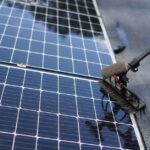
Expert Take: The news about VPP companies aiming to rescue the ‘solar orphans’ in Texas represents a pivotal moment for homeowners who have felt the financial squeeze of escalating electric bills. With ERCOT’s ongoing grid reliability issues and rate hikes, turning to solar energy and investing in a home battery is not just a logical move—it’s essential for achieving true energy independence. As we face rising costs and uncertainty, utilizing solar technology provides a viable pathway to stabilize our energy future.
Quick Summary: A VPP company is stepping in to support Texans who have invested in solar without reliable connections to the grid, highlighting a growing need for energy independence amid rising electric bills and grid instability.
The Facts:
– VPP (Virtual Power Plant) companies are seeking to incorporate ‘solar orphans’ into their systems in Texas.
– Many homeowners face disruptions and reliance on conventional energy as ERCOT warns of grid overloads.
– A significant number of solar installations lack integration with home battery systems, limiting their potential.
– The average electric bill in Texas has spiked, making energy independence crucial.
– California is witnessing similar issues with PG&E raising rates while encouraging residential solar adoption.
Deep-Dive Analysis
As the landscape of renewable energy continues to evolve, homeowners in the Sun Belt region—particularly California, Texas, Arizona, and Florida—are experiencing significant shifts in how they access and utilize solar energy. With escalating electric bills and cautionary notes from grid operators, the emphasis on energy independence has never been more pronounced. Let’s delve into how these dynamics particularly affect California and Texas.
California: PG&E and SCE Dynamics
California is under the scrutiny of its notorious utility providers, PG&E and SCE, as they ramp up rate hikes, often passing the operational costs down to consumers. As homeowners struggle with these price increases, the inclination to turn to solar energy becomes an appealing solution. However, the challenge remains: many homes that have installed solar panels do not pair them with a home battery. These homeowners may find themselves at the mercy of the grid.
In light of PG&E’s recent plan to raise rates by up to 15% through 2025, many Californian homeowners are reevaluating their energy strategies. Failing to implement energy storage solutions can lead to increased reliance on the grid, particularly during peak demand periods when electricity prices skyrocket. By investing in home batteries, residents can achieve true energy independence, buffering their homes from escalating electric bills.
Texas: ERCOT Challenges
Meanwhile, in Texas, ERCOT’s warnings about grid reliability are echoing from household discussions to statewide policy debates. The unfortunate reality of having solar installations without necessary grid support poses a dire issue, especially when residents confront potential blackouts or brownouts during extreme weather conditions.
Many areas experience what is known as ‘solar orphaning’ where homeowners have invested in solar panels, yet lack the configuration to optimize their energy output or store it effectively. As electricity costs soar, these homeowners are caught in a dilemma, facing high bills even with their solar investments. VPP companies stepping in to bridge this gap is a significant development, yet the ultimate solution lies in homeowners integrating their systems with home batteries.
By doing so, Texas residents can navigate moving away from the fluctuations of the ERCOT market, taking charge of their energy consumption and reducing dependence on unreliable sources. This shift not only prepares households for unexpected energy price surges but also contributes to a more stable, resilient grid overall.
As we segue deeper into the implications of these trends, Arizona and Florida exhibit similar challenges. Whether through legislative adjustments in solar policy or the encouragement of energy independence strategies, each region shows that the path toward sustainability depends heavily on how we manage our residential energy ecosystem.
Arizona’s Response to Solar Dynamics
Arizona continues to embrace solar energy as a primary source for residential energy but faces unique challenges linked to regulatory frameworks from SRP and APS. Despite the promise of clean energy, the fluctuating rates can dissuade homeowners from investing fully. However, states like Arizona are beginning to recognize the advantages of energy independence fueled by solar installations supported with reliable home battery solutions.
Residents are now seeking ways to enhance their energy autonomy—leading to a burgeoning home battery market that promises to innovate how energy is stored and accessed. The inevitability of rate fluctuations forces many to prioritize energy self-sufficiency, aligning with the growing national trend of adopting renewable technologies.
Florida’s Solar Policy Landscape
In Florida, solar policies are gradually evolving, with state leaders contemplating reforms that could incentivize higher solar adoption rates. The discrepancies in the solar market, alongside the challenge of rising energy tariffs, affect the average Floridian’s electrical expenditures. This situation prompts residents to explore avenues for energy independence more than ever before.
The push for solar combined with home battery storage has begun to resonate with homeowners keen on mitigating their electric bills. Moreover, as local governments scrutinize energy regulations, those embracing solar energy systems can set a precedent for sustainable living, combating the inevitable hikes in utility costs.
The Way Forward
As we analyze these regional dynamics, the increasing utility rate hikes and grid reliability warnings signal a pivotal transformation in the energy sector. The integration of solar energy with home batteries emerges as a compelling solution not only to maintain control over energy expenses and consumption but as a key to attaining long-desired energy independence. The demand for energy self-sufficiency speaks volumes about the direction in which the American public desires to move, facing the dual specter of climate change and economic instability.
Common Questions
What are ‘solar orphans’ in Texas and how does it affect homeowners?
‘Solar orphans’ refer to homeowners in Texas who have solar panels installed but lack integration with the grid or are not utilizing home batteries, making them vulnerable to outages and high electric bills.
What implications do ERCOT’s grid warnings have for solar users in Texas?
ERCOT’s warnings suggest that users who depend solely on the grid for energy may face disruptions during peak times, making energy independence through solar and home batteries critical for reliability.
How does the rise of home batteries improve energy independence for California residents?
Home batteries allow California residents to store solar energy, reducing reliance on the grid, buffering against price increases from companies like PG&E, and stabilizing their electric bills.