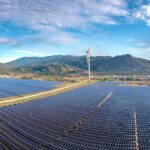
Expert Take: As the ERCOT market transitions towards storage and solar, homeowners should see this as the final straw against skyrocketing electric bills. With Texas facing intermittent power concerns and the possibility of future rate hikes, investing in solar energy and a home battery system is not just wise—it’s essential for energy independence. By going solar, homeowners can take control of their energy future, shield themselves from volatile rates, and ultimately reduce their electric bills.
Quick Summary: ERCOT’s market shift towards storage and solar indicates a critical need for homeowners to adopt renewable energy solutions. With rising costs and reliability concerns, solar energy harnessed with home batteries is becoming the key to achieving energy independence in Texas.
The Facts:
– ERCOT is experiencing a transformation towards more solar and storage resources.
– As demand grows, traditional power sources face challenges to remain viable in the market.
– Homeowners are increasingly realizing the necessity of solar energy to mitigate financial risks.
– The inclusion of home battery systems provides a backup during grid failures.
– Energy independence through renewables can alleviate financial strains from rising electric bills.
The Significance of Energy Independence in the Texas Market
The transition of ERCOT’s market towards solar energy and storage is crucial for Texas homeowners, especially in light of fluctuating energy demands and rate hikes. With ERCOT’s recent warnings about grid stability, it has become evident that our reliance on conventional energy sources can no longer be considered a safe bet. Homeowners in Texas need to take measures to gain energy independence, which solar energy offers by lowering electric bills and providing a reliable energy source. This shift is significant as more Texans embrace residential solar installations and integrate home battery systems into their energy setups, creating a new paradigm of energy management.
Impacts of Solar Energy in the Sun Belt States
In California, the dynamics of PG&E’s power supply and SCE’s service areas further underscore the pressing need for energy independence through solar energy. With increasing rate hikes and more frequent power shutoffs, the reliability of the grid has come into question. As energy costs soar, homeowners in California are becoming more proactive in equipping their homes with solar panel systems coupled with home batteries. This combination allows them to store excess energy during peak solar production and utilize it when the grid is least reliable, thereby avoiding high electric bills and ensuring that they are prepared for any grid disruption.
Meanwhile, in Arizona, the role of solar energy continues to expand as APS adapts its policies to favor renewable resources. The residents who have harnessed home solar systems are finding themselves less affected by the fluctuations in utility rates, especially during peak season when electricity demand can lead to surging costs. Arizona’s abundant sunshine makes solar energy an obvious choice for homeowners seeking efficiency and cost savings. Furthermore, with evolving regulations favoring solar installations, such as tax credits and incentives, investing in solar energy and home battery systems has become increasingly attractive for securing energy independence.
Texas: ERCOT and the Shifting Energy Landscape
In Texas, ERCOT’s grid warnings are a clarion call for homeowners to take action. As the state moves towards more solar energy sources and energy storage, the need for home battery systems has become increasingly relevant. The energy market’s evolution demonstrates that those investing in solar today are insulating themselves against future price shocks in energy markets. The urgency surrounding this urgency is underscored by the forecast of harsher conditions impacting the grid, and this incentivizes homeowners to look deeply into enhancing their resilience through solar energy solutions.
Moreover, investments in home batteries enable households to go beyond merely generating solar electricity. They allow for energy storage and greater control over personal energy consumption, especially during the peak demand hours when energy costs escalate. This not only reduces dependency on the grid but also promotes an independent energy lifestyle where electric bills can be substantially lowered.
Incentives and Drivers for Adoption of Solar Energy
The incentives driving the adoption of solar energy across the Sun Belt are compelling. Government programs, financial incentives, and an increasing range of financing options have made it more feasible for homeowners to invest in solar energy systems and home batteries. In California, state-subsidized programs have catalyzed a plethora of renewable projects aimed at reducing dependence on traditional energy sources. This is an effective strategy to counteract the persistent rate hikes by utilities such as PG&E.
In Florida, while the solar policy landscape is still unfolding, homeowners are beginning to see the financial viability of solar energy in combating high electric bills driven by summer demand. With solar energy proving to be a viable route to energy independence, Florida is rapidly catching up with other Sun Belt states in integrating solar solutions into residential systems. The focus on self-generation and energy autonomy is undeniably gaining traction as residential areas look towards solar energy as a lifeline amidst rising utility costs.
Common Questions
What specific changes is ERCOT implementing to support solar energy integration?
ERCOT is facilitating the transition by enhancing interconnections for solar farms and ensuring that energy storage systems can effectively complement fluctuating solar generation. This involves allowing more solar projects to connect to the grid and ensuring that they can dispatch energy during peak demand, helping to stabilize the grid.
How can home battery systems enhance energy independence in Texas?
Home battery systems enable homeowners to store excess energy produced during the day for use when electricity prices are higher or during grid outages. This capability significantly reduces reliance on the grid, allowing for financial savings and enhanced personal energy security.
Are there specific incentives for solar energy adoption in Texas?
Yes, Texas offers various state and federal incentives, including tax credits, rebates, and programs that can help offset the initial costs of installing solar energy systems. These financial incentives can make solar installations more affordable for homeowners looking to achieve energy independence.