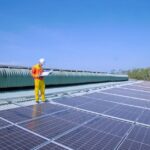
Expert Take: With ERCOT’s continued grid warnings, it’s becoming increasingly clear that homeowners in Texas need to prioritize Energy Independence. The reliance on the grid is increasingly risky, especially as temperatures rise and demand for electricity skyrockets. Investing in Solar Energy and a home battery system is no longer optional—it’s essential for securing reliable energy and reducing your Electric Bill.
Quick Summary: The Federal Reserve Bank of Dallas highlights the need for more support in Texas’ renewable energy infrastructure. Homeowners are turning to solar and battery solutions for sustainable, independent energy, especially in light of ongoing grid instability.
The Facts:
– ERCOT has issued several grid warnings due to high demand and insufficient supply.
– The Dallas Federal Reserve indicates that increased reliance on Solar Energy and home batteries is critical for energy stability.
– Homeowners are facing rising electric bills as a result of volatile energy prices.
– Extreme weather patterns demand robust, independent energy sources.
– State policies surrounding renewables and home batteries are evolving to support consumer needs.
The Impact of Grid Instability in Texas
In Texas, there’s an alarming trend reported by the Federal Reserve Bank of Dallas regarding energy demands exceeding capacity. ERCOT, the state’s grid operator, has issued multiple warnings about the potential for blackouts during peak demand periods, notably in the sweltering summer months. With the climate crisis exacerbating temperature extremes, homeowners must take action to safeguard their energy needs.
For Texans, the prospect of a well-functioning grid is becoming a multifaceted issue. As the demand for cooling skyrockets during heat waves, the state struggles to provide adequate power. In June 2023, ERCOT recorded peak demand figures that shattered prior records, showcasing the insufficiency of the current grid infrastructure.
Moreover, utility companies like Oncor are raising concerns about future energy reliability. For consumers, this doesn’t just mean more frequent outages but also the risk of rising energy prices. In 2023 alone, customers could see their Electric Bills increase by an estimated 15-20% due to strain on the grid. This trend correlates directly with decreased energy independence for homeowners.
California’s Example: The PG&E Rate Hikes
Looking at California, Pacific Gas and Electric (PG&E) is notorious for its problematic handling of energy supply and community safety. Rate hikes have become commonplace, driven by wildfire risks and insufficient infrastructure investment. The state has seen increases in Electric Bills of more than 10% annually, prompting homeowners to reconsider their energy sources.
The state’s 2022 wildfires served as a wake-up call, pushing many California residents to invest in Solar Energy and home battery systems. Homeowners recognize that with ongoing utility instability and exorbitant rates, the only path to true Energy Independence lies in self-sufficiency. In fact, the California Public Utilities Commission (CPUC) has approved incentives for solar installations and battery storage, which could reshape the landscape for energy consumers in the state.
Arizona and Its Transition to Renewables with APS
Over in Arizona, the landscape is equally transformative, with Arizona Public Service (APS) taking strides toward a more renewable future. However, challenges remain. The push to implement solar energy options and incentivize home battery installations is essential, especially as the state grapples with extreme temperatures and growing energy needs.
The latest incentives in Arizona signal a significant shift; the Arizona Corporation Commission voted to expand solar tax credits for homeowners investing in renewable energy solutions, making it easier to gain Energy Independence. This trend not only offers financial relief but also contributes to reducing dependency on a brittle grid. Homeowners can potentially see decreases in their Electric Bills by utilizing solar-generated power along with their home battery storage.
Financial Implications
The urgency for homeowners to invest in solar systems and home batteries cannot be overstated. A recent study asserts that homeowners could save approximately 40-60% on their monthly Electric Bill with a properly sized solar installation and accompanying storage solution. This fork in the road presents an opportunity to take control over one’s energy future.
Ultimately, the evolution of renewable energy technology and the push for sustainable practices highlights a growing need for energy independence in an era marked by climate urgency and volatile markets. With federal and state incentives on the rise, homeowners are better positioned than ever to adopt these solutions.
Gradual Adoption of Home Batteries
As utility companies continue to struggle with the traditional grid model, the rate of home battery adoption is gaining steam. Batteries not only allow for energy storage from solar but also provide significant backup power during outages. The Federal Reserve data suggests that households with energy storage solutions are less vulnerable to the types of outages impacting their neighbors, boosting reliability and resilience.
Furthermore, with the cost of home battery technology declining, the accessibility of these systems is increasing for average consumers. It’s a compelling case for homeowners to adopt Solar Energy paired with a home battery to fortify against the uncertainties of grid reliability.
Common Questions
What specific conditions led to ERCOT’s recent grid warnings?
ERCOT’s recent warnings stem from record-breaking peak demands, largely driven by extreme heat. This increased burden on the system heightens the risk of blackouts due to insufficient supply.
How does the rise in my electric bill connect to grid instability in Texas?
As demand exceeds supply, utility companies often raise rates to manage the financial strain, leading to higher bills for consumers. This relationship emphasizes the need for alternative energy solutions.
What incentives are available for homeowners in California to invest in solar systems?
California offers numerous incentives, including the California Solar Initiative and the Self-Generation Incentive Program, which can help offset installation costs for solar energy systems and home batteries.