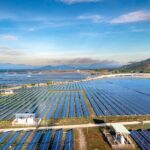
Expert Take: As a Senior Energy Analyst, I see the recent news from Texas as a final straw for homeowners grappling with unreliable energy supply and soaring electric bills. The combined reliance on solar energy and home batteries presents a critical path toward true energy independence. With ERCOT’s warnings becoming more frequent, investing in these technologies is not only logical but imperative for sustainable living.
Quick Summary: The report highlights Texas’ struggle to maintain a stable energy supply amidst rising demand and system vulnerabilities, underscoring the urgent need for solar energy and home battery systems to enhance energy independence.
The Facts:
– Texas faces an increased demand on its grid, risking power outages.
– ERCOT has issued multiple warnings regarding grid reliability.
– Homeowners are turning to solar energy to manage rising electric bills.
– Home battery systems are becoming vital for energy storage during peak times.
– More investment in renewable resources is deemed necessary to stabilize the grid.
Impact of Energy Dynamics in California
In California, with utility companies like PG&E and Southern California Edison (SCE) constantly raising rates, homeowners are feeling the financial strain. The recent PG&E rate hike of a staggering 30% over the past three years has forced many into a corner. With energy prices soaring, it’s no wonder residents are eyeing solar energy solutions and home batteries as lifelines for energy independence. Moreover, as California’s climate crisis worsens, people are reminded to prepare for more frequent and prolonged outages, making self-sufficiency through solar energy and home battery storage critical.
Challenges Facing Texas’ ERCOT Grid
The Electric Reliability Council of Texas (ERCOT) has faced criticism for its inadequate responses to the state’s energy needs. Recent data indicates that the grid nearly failed during the 2021 winter storm, revealing vulnerabilities that could resurface as demand peaks again. Homeowners are increasingly leaning towards solar power options, complemented by home batteries, to mitigate risks from ERCOT’s precarious grid situation. It’s prudent to note that recent warnings are real threats, and while flexibility in energy consumption can help, complete energy independence through these tools provides peace of mind.
Arizona’s Solar Industry Dynamics
In Arizona, where sunshine is plentiful, utility dynamics are shifting dramatically. Companies like Arizona Public Service (APS) are introducing tariffs making solar energy increasingly attractive. With a recent push for energy independence, residents are now more inclined to explore home battery systems to better harness solar energy. The state’s recent programs facilitating tax credits further incentivize homeowners to invest in solar energy technologies, which ultimately aids in lowering electric bills while contributing to grid resilience. In areas where demand is soaring, sustainable solutions bring hope to a steady energy future.
Florida’s Evolving Solar Policy
Meanwhile, Florida, known as the Sunshine State, is witnessing a surge in solar energy investment, albeit facing regulatory hurdles. The state’s utility companies are adopting measures in response to community demands but are still lacing behind other Sun Belt states in policy support. The push for home battery systems provides Floridians a significant advantage, empowering them with energy independence and allowing them to beat the heat of increased electric bills. As Florida’s solar policies evolve, I expect more residents will embrace solar energy innovations, fostering a robust energy solution for the future.
The Road Ahead
Looking to the future, the integration of solar energy and home batteries will be critical in enhancing energy independence across the Sun Belt, especially as residents face not only financial pressures from electric bills but also the looming threat of unreliable service from traditional utilities. Homeowners in California, Texas, Arizona, and Florida must remain vigilant and proactive in securing their energy futures, embracing technologies that empower them to gain control. The path towards energy independence does not have to be steep, and the choices we make today will shape a sustainable tomorrow.
What are the specific reasons for the need for more solar energy in Texas?
The recent report highlights a desperate need for additional solar energy capacity in Texas due to increasing grid demands and the unreliability of traditional sources, especially in peak seasons. This combined with the growing electric bills makes solar energy viable for greater energy independence.
How do home batteries complement solar systems in Texas?
Home batteries enhance solar systems by storing excess energy generated during the day, ensuring that homeowners have power during peak demand times or outages. This capability further secures energy independence without reliance on Texas’ stressed grid.
What impact will ERCOT’s warnings have on future energy legislation in Texas?
ERCOT’s frequent warnings could lead to stricter regulations around energy production and consumption in Texas, with a likely emphasis on renewable resources like solar energy and storage solutions. This could pave the way for more supportive legislation favoring clean energy investments.