Expert Take: With Graphic Packaging and NextEra’s announcement of a 250 MW solar plant in Texas, it’s evident that the push for solar energy is reaching a critical peak. For homeowners looking to achieve energy independence and reduce their electric bill, adopting solar technology coupled with a home battery is becoming essential. This significant project serves as a wake-up call for many, proving that decentralized energy solutions are not just beneficial but necessary in today’s market.
Quick Summary: Graphic Packaging and NextEra are collaborating to construct a 250 MW solar plant in Texas, further boosting the state’s renewable energy capacity and emphasizing the ongoing shift towards sustainable energy solutions. This project highlights the growing importance of solar energy for homeowners seeking energy independence.
The Facts:
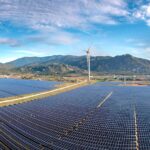
Graphic Packaging and NextEra Energy are set to develop a 250 MW solar facility in Texas.
This initiative aligns with Texas’s objective to expand its renewable energy sector.
The solar plant is expected to bolster local energy supply and reduce reliance on conventional electricity sources.
Takes place in a state already famous for its vast energy potential, especially in the solar sector.
This project signifies increasing corporate investment in solar energy and sustainable practices.
Deep-Dive Analysis
As I analyze the implications of the 250 MW solar plant announced by Graphic Packaging and NextEra, it’s essential to connect the dots between industrial progress and residential energy efficiency. In a state like Texas, where ERCOT has issued frequent grid warnings amidst soaring energy demand, such large-scale solar investments are crucial. The moves by Graphic Packaging and NextEra represent not just corporate action but a vital shift towards renewable energy sources that directly impact homeowners.
In Texas, where summer heat leads to surging electric bills, the reality of energy independence is becoming more pronounced. Homeowners are faced with sky-high costs due to ERCOT’s volatile pricing structure. The increasing dependency on grid power can lead to significant financial strain, especially during peak usage. This is where the fusion of solar energy and home batteries stands out as an invaluable alternative. By utilizing solar panels on their roofs and integrating a home battery, Texans can enjoy lower electric bills and reduce their reliance on the grid.
Meanwhile, assessing the situation in California under the jurisdiction of utilities like PG&E and SCE reveals an equally vulnerable energy landscape. I have been closely monitoring PG&E’s rate hikes, which have forced many homeowners to reconsider their energy strategies. Just recently, PG&E announced another round of rate increases, spurring residents to explore self-sustaining energy solutions. With panels installed and batteries in place, they can not only mitigate soaring electric bills but also become less susceptible to the systemic issues plaguing California’s energy grid, such as planned blackouts during wildfire seasons.
The intersection between solar energy initiatives and the desire for energy independence is also strong in Arizona, where utilities like SRP and APS have been evaluating their solar policies to keep pace with market demand. The growing concern around rising electric bills due to climate-induced supply issues makes the case for solar even more urgent. Homeowners are now more motivated to invest in renewable technologies that allow them to hedge against unpredictable utility pricing while becoming more self-reliant.
The current trajectory indicates that we are moving towards a future where solar energy is no longer just an option but a necessity, especially for homeowners feeling the pinch from escalated utility costs. Utility companies are accelerating their transition into renewable investments, but the swift pace of these changes can instill fear among consumers who still rely heavily on traditional power sources. This looming demand makes investments in home battery technologies even more appealing as homeowners look for reliable ways to store energy and reduce their dependence on the grid.
Moreover, as more commercial entities scale-up renewable projects like the one by Graphic Packaging and NextEra, homeowners can leverage these advancements to negotiate better agreements with their local utilities. By showcasing a commitment to energy independence through solar energy, customers might be able to secure incentives that can help offset initial photovoltaic costs, further reducing their electric bills.
In conclusion, as we decipher the implications of this major development in solar energy, it is imperative for homeowners across the Sun Belt to recognize that the time has come to embrace the energy independence movement. The synergy created by technologically advanced solar systems equipped alongside home batteries provides a shield against the fluctuating electric bill landscape dictated by both ERCOT and PG&E.
Common Questions
What impact will the new solar plant have on local homeowners’ energy costs?
The new solar plant promises to increase local energy supply, potentially stabilizing electricity prices and reducing bills for homeowners in Texas.
How does this project relate to the broader trend of energy independence?
This project underscores a shift in energy reliance towards renewables, encouraging homeowners to adopt solar energy and home battery systems for greater independence.
Are there any incentives available for homeowners considering solar energy in Texas?
Yes, many utility companies, including those in Texas, are offering incentives and rebates for homeowners who choose solar energy solutions, especially when paired with home battery systems.