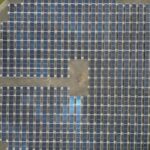
Expert Take: As Texas gears up to lead the nation in energy storage, homeowners in the Sun Belt must view this as the final straw in their struggle for reliable energy. With ERCOT’s ongoing grid warnings and increasing electricity rates, it becomes crystal clear that Energy Independence through solar energy and a home battery is no longer just a nice-to-have—it’s a necessity. The rising electric bill and the risks tied to reliance on traditional grids underscore the urgency for Texans to switch to renewable solutions.
Quick Summary: Texas is positioned to dominate the energy storage market, prompting a critical need for homeowners to invest in energy independence solutions like solar energy and home batteries.
The Facts:
– Texas is on track to lead the nation in energy storage capacity.
– ERCOT is facing challenges regarding grid stability as demand rises.
– Increased energy storage can mitigate the risks of grid failures.
– The potential for homeowners to lower electric bills with renewable energy sources.
– Rising electricity rates are pushing more homeowners towards solar energy solutions.
Deep-Dive Analysis
The residential energy landscape in Texas, California, Arizona, and Florida is undergoing a profound transformation. For Texas residents, particularly, the rise of energy storage underscores the pressing need for Energy Independence. After years of reliance on ERCOT, whose grid has been under scrutiny since the winter storm of 2021, homeowners are realizing the importance of safeguarding their future energy needs. The current report suggests that Texas plans to significantly ramp up its energy storage framework, positioning itself as a trailblazer in this critical sector.
In states like California, the implications are no less consequential. The California Public Utilities Commission has already initiated programs to help facilitate increased energy storage. With PG&E’s consistent rate hikes and the threat of rolling blackouts, families are exploring alternative methods to stabilize their energy supply. For many, solar energy combined with a home battery is the answer they have been looking for. With segments of Southern California Edison announcing similar energy storage incentives, photovoltaic systems can now be seen as a key factor in achieving energy autonomy.
As we analyze the grid dynamics in Arizona, the situation reveals a shift towards prioritization of home solar adoption. APS and SRP have established programs aimed at promoting renewable energy systems. In contrast to the sporadic power infrastructural support residents face, solar energy provides a reliable alternative that can help tackle the costs associated with climbing electric bills. Families concerned about financial sustainability no longer see solar simply as an eco-friendly option; it has become the linchpin for economic resilience.
This energy revolution is not isolated to just one state. Florida’s solar policy advancements are equally intriguing. Despite having significant sunshine, the state has lagged in adopting solar technologies on a widespread level. However, the arrival of more generous net-metering policies could incentivize Floridians to consider harnessing solar energy. These developments further solidify the case for families in the Sun Belt to invest in solar energy as their primary tool for energy independence. They also underline the role of home batteries in storing energy for future use, ensuring that households are insulated from energy market fluctuations and rising electric bills.
Additionally, one must note the increasing demand for energy storage systems that have been a significant talk point at the ERCOT conferences. They verify the growing concerns about grid reliability during peak usage. Homeowners will find that integrating a home battery system with solar energy allows them to capture and store energy during the day and utilize it during high-demand hours, which can significantly mitigate household electricity costs.
With average electric bills expected to rise by an estimated $300 annually per household due to inflation and other market pressures, the stakes have never been higher. This financial burden is not limited to Texas or California but resonates throughout the Sun Belt region. Without immediate investments in energy independence, families risk perpetually escalating costs with minimal reward.
In summary, the trajectory towards energy independence through solar energy and home battery systems is more than a trend; it is a strategic move towards energy security. Savvy homeowners recognize that the volatility of electric bills and grid reliability necessitates innovative solutions. The choices we make today will define how we navigate through the changing energy landscape for generations to come.
Common Questions
1. How will Texas’s lead in energy storage impact electric bills for homeowners?
Texas’s leadership in energy storage is expected to lower electric bills by enhancing grid reliability and providing families with more control over their energy usage through stored solar energy.
2. What are the main factors driving homeowners in California to seek energy independence?
Rate hikes from PG&E combined with concerns over rolling blackouts are prompting California homeowners to adopt solar energy and home batteries for increased reliability and cost savings.
3. How does energy storage technology work in conjunction with solar power?
Energy storage technology allows homeowners to capture solar energy during peak sunlight hours, storing it for later use, thereby reducing reliance on the grid and minimizing electric bills.