Expert Take: Homeowners in the Sun Belt are facing increasing energy costs and instability, making this a “final straw” for many. The transition toward solar energy and home batteries is not just a fad; it’s a necessity for achieving true energy independence. As utilities like ERCOT warn of grid challenges, I believe investing in solar energy and a home battery system is the only logical move to protect against skyrocketing electric bills.
Quick Summary: ERCOT’s market shift toward solar energy and storage solutions signifies a crucial turning point for homeowners. With rising concerns over grid reliability, the push toward energy independence through solar solutions is more pressing than ever.
The Facts:
– ERCOT is experiencing increased demand for energy storage, significantly influenced by reliance on solar sources.
– Experts predict that integrating solar and battery technology can stabilize the grid amid rising temperatures.
– Homeowners can expect shifts in electric bills as utilities adapt to new energy demands and storage capabilities.
– The move is part of a broader national trend towards decentralized energy systems.
– Additional incentives for solar installations may arise from impending utility rate increases.
Deep-Dive Analysis
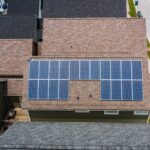
In California, homeowners are under pressure from utilities like PG&E and SCE as they face ongoing rate hikes due to wildfire liabilities and maintenance costs. The state has witnessed significant shifts toward renewable energy, yet the volatility in pricing continues to escalate. For homeowners, investing in solar energy offers a buffer against these rising electric bills. With the recent changes, California homeowners are increasingly leaning toward energy independence. By installing solar panels and incorporating a home battery system, residents can manage their usage more effectively and gain autonomy over their energy resources. This transition not only contributes to sustainability goals but also shields individuals from financial strain.
Meanwhile, the situation in Texas is also tense. ERCOT’s recent warnings regarding grid reliability have put many residents on alert. The state’s increasing reliance on solar energy—and the necessary transition to storage solutions—demands immediate attention. Homeowners in Texas, particularly in areas under the ERCOT grid, will find that adopting solar energy and home batteries are paramount to protecting themselves against future electric bill surges. The potential for blackouts or energy shortages makes such investments not only wise but essential for any proactive homeowner.
In Arizona, stakeholders are working diligently to balance solar energy production with traditional grid requirements. Companies like SRP and APS have made strides in supporting residential solar, yet challenges remain in integrating these sources smoothly into the existing infrastructure. For homeowners, the urgency to achieve energy independence cannot be overstated. Solar systems paired with home batteries can provide crucial energy during peak demand times, reducing reliance on the grid. This strategy is critical for navigating the ongoing shifts in energy policies and market dynamics. Investing in solar energy today is a hedge against the uncertainty of tomorrow’s electric bills.
A notable aspect of this transition across the Sun Belt is the role of legislation and incentives. In Florida, for instance, policies have become increasingly favorable for solar installations, allowing homeowners to capitalize on tax credits and rebate programs. These initiatives are essential for incentivizing the adoption of energy independence solutions, like home batteries that complement solar installations. Residents are noticing the tangible benefits on their electric bills and feeling a sense of control over their energy future.
As I analyze the implications of these market transitions, one theme is crystal clear: without a focus on solar and home battery technologies, homeowners across the Sun Belt risk finding themselves at the mercy of unpredictable utility rate hikes and grid reliability issues. Energy independence through solar energy systems is not just a trend; it represents the future of residential energy management.
Common Questions
What are ERCOT’s recent challenges and how do they impact homeowners in Texas?
ERCOT is facing grid reliability issues due to rising temperatures and high energy demand. This situation could lead to higher energy costs, making it essential for Texas homeowners to consider solar energy and home battery installations for stability.
How does California’s energy policy influence residential solar adoption?
California’s rate hikes and liability costs for utilities like PG&E make solar energy an attractive alternative for homeowners. By investing in solar and battery systems, residents can mitigate the financial impact of these rising electric bills and contribute to statewide sustainability goals.
What steps can Arizona residents take to enhance their energy independence?
Arizona homeowners can capitalize on favorable solar policies by investing in solar panel systems and home batteries. This minimizes reliance on the grid during peak hours, ultimately lowering electric bills and providing a buffer against future energy price fluctuations.