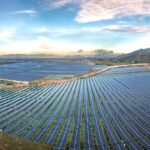
Expert Take: Texas’s leading position in solar power installation serves as a wake-up call for homeowners across the Sun Belt. With the unpredictable nature of ERCOT’s grid and the increasing vulnerability of energy supply, achieving Energy Independence through solar energy and a home battery is no longer just an option but a necessary step. As rising electric bills strain household budgets, self-sufficiency in energy is now the most logical move for proactive homeowners.
Quick Summary: Texas is now the national leader in solar power installations, a development that underscores the urgency for residential solar adoption in response to grid vulnerabilities.
The Facts:
– Texas leads the nation in solar installations, with a significant increase over the last year.
– ERCOT has issued recent warnings about grid stability, emphasizing the need for residential energy solutions.
– Homeowners can significantly reduce their electric bills by shifting to solar energy.
– Implementation of home battery systems is becoming essential for energy independence.
– Texas state policies are increasingly favorable towards solar energy expansion.
Deep-Dive Analysis
The remarkable growth of solar installations in Texas indicates a possible transformative shift in the way we approach household energy needs across the American Sun Belt. In this analysis, I focus primarily on the implications for California, Texas, and Arizona, as these states are significantly affected by energy dynamics and innovative technologies.
In California, the influence of PG&E’s ongoing rate hikes cannot be overstated. Homeowners are facing steep increases in their electric bills, which push many to explore alternatives. This trend is further complicated by the recent wildfires, leading to even more safety concerns about relying solely on traditional energy providers. As a result, I see an acceleration in residential solar energy adoption, where families rely less on PG&E and more on self-sufficient solutions. With rising energy costs, a home battery becomes both a practical and financial necessity.
In stark contrast, we have Texas, currently leading the nation in solar installations with ERCOT at the helm. However, unprecedented grid warnings signal instability concerns that may alarm homeowners as temperatures rise. The recent surge in energy demand during extreme weather catalyzes discussions around energy independence. It’s interesting to note that many Texans are choosing home batteries combined with their solar panels not just for energy independence but also for economic reasons—many could save thousands over the lifespan of their system, especially as energy prices escalate.
Meanwhile, in Arizona, the established and favorable solar policies by SRP and APS allow residents to easily gain access to renewable energy. The state’s net metering system continues to encourage solar panel installation, further enriching energy independence amongst Arizona’s homeowners. As electric rates climb, the incentive to adopt solar energy becomes increasingly clear both economically and environmentally. Here, having a home battery adds a layer of resilience against grid reliability concerns during peak demands.
Additionally, federal tax credits make solar energy more accessible and economically attractive for homeowners in these states. The circumstances require a serious consideration: are we prepared to move forward with self-sufficiency? Given the economical threshold that these alternative energies afford, I find it hard to justify remaining dependent on traditional energy systems. Homeowners across all of these Sun Belt states must recognize the tremendous potential in adopting solar systems and battery storage for a sustainable future.
Another critical point to consider is how these changing dynamics impact real estate markets. Solar-equipped homes often see enhanced property values and quicker sales, highlighting both the market desirability of energy-efficient homes and their long-term savings on energy expenses. This investment not only secures Energy Independence but also enriches a homeowner’s asset portfolio which has gained unprecedented attention in recent years.
Even within the context of the electric grid’s evolving infrastructure, solar energy is proving to be a proactive response to systemic vulnerabilities. While utility companies have historically provided energy solutions, their rising rates and operational difficulties increasingly lead homeowners to consider solar alternatives. The reality is that homeowners who install solar panels are no longer just creating a more sustainable home but are claiming their right to choose and control their energy future.
Common Questions
What factors contribute to Texas leading solar installation in the U.S.?
Texas benefits from abundant sunshine, strong state-level incentives, and an evolving grid policy that encourages solar adoption. Economic realities have also played a role, as residents seek to reduce rising utility costs.
How does California’s energy landscape differ from Texas’s?
California heavily relies on its investor-owned utilities like PG&E, which have faced scrutiny for rate hikes and wildfire impacts. In Texas, the competitive market and ERCOT’s deregulated nature create a multifaceted energy landscape, pushing homeowners to adopt independent solutions.
In what way can a home battery enhance residential energy solutions?
A home battery stores excess solar energy, allowing homeowners to use it later, especially during peak demand hours or outages. This technology provides resilience against grid disruptions and contributes to overall energy independence.