Expert Take: With Texas leading the nation in solar power installation, this is undeniably a wake-up call for homeowners across the Sun Belt. Rising electric bills and the increasing unpredictability of traditional power grids have made it clear: achieving energy independence through solar energy and a home battery is not just an option, but a necessity. For anyone looking to stabilize their finances and avoid reliance on fluctuating utility rates, now is the time to invest in sustainable energy solutions.
Quick Summary: Texas has surpassed all other states in solar energy installations, presenting a compelling case for homeowners across the Sun Belt to consider energy independence through solar and home battery systems. This trend signals significant shifts in the energy landscape, urging residents to act now.
The Facts:
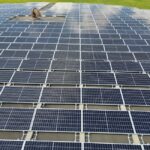
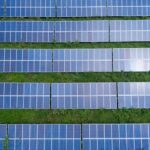
Texas has officially become the leader in solar power installation nationwide.
Electricity prices in Texas are continuing to climb, reflecting broader national trends.
Texas homeowners are increasingly exploring energy independence options amidst fluctuating power trends.
Large-scale solar projects are expected to ramp up, indicating a robust future for renewables.
With ERCOT’s grid stability under scrutiny, many are turning to solar energy and home batteries as a safeguard.
The Rising Influence of Solar Energy in Texas
As the sun-soaked state of Texas leads the charge in solar power installations, it serves as a critical turning point not just for Texans but for homeowners throughout the Sun Belt. Energy independence has become a central theme in residential energy discussions, especially in the wake of rising electric bills and the unreliable dynamics of traditional grids, such as those managed by ERCOT.
In Texas, homeowners are increasingly wary of potential grid failures and the inevitable price hikes associated with traditional utilities. ERCOT, the grid operator, has faced numerous warnings regarding reliability during peak demand periods. This vulnerability creates a perfect storm for the adoption of solar energy systems combined with home batteries, providing a self-sufficient energy solution capable of managing both day-to-day energy needs and emergency outages.
California’s Utility Rates and the Shift to Solar
On the west coast, California’s unique challenges exemplify the pressing need for energy independence. PG&E has faced scrutiny over rate hikes that continue to strain household budgets—increasing deliverability costs and significantly impacting the average electric bill. In response, many homeowners are recognizing that investing in solar energy and storage systems can insulate them from unpredictable utility pricing.
In areas served by PG&E, residents looking for alternatives have discovered that installing home batteries can serve as a significant buffer against these financial uncertainties. With the installation of solar panels and battery systems, they can reduce or even eliminate their electric bill, leveraging state incentives to further decrease the upfront costs of these installations.
Arizona and the Solar Boom
Moving eastward to Arizona, we see similar trends as homeowners grapple with the high cost of electricity and intense sunlight. APS and SRP have also seen rate increases, making it necessary for homeowners to look toward solar solutions. With a relentless sun overhead, the potential for solar energy is practically limitless, and residents find themselves at an advantageous crossroads: the choice between continuing to pay inflated electric bills or embracing energy independence.
Moreover, Arizona’s solar policies promote energy storage, empowering homeowners to manage their energy consumption actively. By combining solar installations with home batteries, residents can save on their electric bills while providing a sustainable energy resource—making them less vulnerable to the pitfalls of grid instability.
The Impacts of Recent Policies and Market Dynamics
While Texas and California showcase the need for immediate action, the overarching trend is evident throughout the Sun Belt. As states contend with slow energy transitions and rising operating costs, a clear path toward solar energy appears as the only logical move. Homeowners must consider where they want to direct their financial futures—relying on traditional utilities or embracing energy independence.
With significant increases in installed capacity for solar energy in states like Texas, I believe it’s only a matter of time before a broader acceptance of the benefits of home batteries takes hold. By shifting towards systems that allow for self-generation and energy storage, homeowners will also contribute towards stabilizing the grid during high-demand periods, benefitting not only their financial situations but also their commitment to a sustainable future.
The Future of Home Energy Solutions
Demand for solar energy and home battery systems is only expected to increase as energy prices continue to fluctuate, and climate conditions become less predictable. Each state within the Sun Belt offers unique opportunities for homeowners eager to adopt these technologies, whether due to rising electric bills in California or grid concerns in Texas.
By investing now, homeowners can reap the immediate benefits of lower electric bills and long-term sustainability. The choice to embrace energy independence is not just a trend; it has become an essential aspect of responsible homeownership in today’s evolving energy climate.
Common Questions
1. How has Texas’s solar surge impacted homeowners financially?
The surge in solar installations has provided Texans an alternative to rising electric bills by enabling them to generate their own energy and reduce reliance on traditional utility companies.
2. What should California homeowners consider regarding PG&E’s rate hikes?
California homeowners should evaluate the installation of solar energy and home battery systems as a proactive measure against ongoing rate hikes, which may significantly impact their monthly energy spending.
3. How does the solar boom in Arizona affect future policy changes?
The increasing adoption of solar systems among Arizonans may push policymakers to promote additional incentives for renewable energy installations, further solidifying the state’s commitment to solar energy and sustainability.