Expert Take: With Texas shattering records for solar energy and battery storage this summer, it’s clear that regional homeowners can no longer ignore the necessity of Energy Independence. As ERCOT warns of grid vulnerabilities, the stakes have never been higher for investing in solar energy systems and home batteries to combat rising electric bills. Choosing solar technology is not just a choice—it’s an urgent call to take control in an unpredictable energy landscape.
Quick Summary: This summer, Texas set impressive records for solar energy production and battery storage, emphasizing the crucial need for homeowners to seek Energy Independence through solar solutions.
The Facts:
– Texas experienced record-breaking solar energy generation during peak summer months.
– ERCOT issued multiple warnings regarding grid reliability related to increased energy demand.
– Home battery systems are becoming a vital component in managing energy resources effectively.
– The growing trend highlights the cost-saving potential of solar energy in light of rising electric bills.
– Homeowners are increasingly recognizing the stakes of energy security against uncertainty in the grid.
Deep-Dive Analysis
Texas has always been a significant player in the renewable energy landscape, but the recent records set this summer for solar energy and home battery usage signal a pivotal change. Readers in Texas, California, Arizona, and Florida should take note as regional utility dynamics evolve, pushing the conversation of Energy Independence to the forefront.
In California, where utilities like PG&E and SCE have been notorious for rate hikes, the need for solar energy becomes even more critical. By investing in solar technology, California homeowners can drastically reduce their dependence on the grid and mute the effects of costly electric bills. With PG&E’s latest increase pushing rates closer to $0.30 per kWh, homeowners are incentivized to turn to solar energy and home battery solutions for relief and stability.
Furthermore, California’s frequent wildfires exacerbate the issue as utility companies resort to Public Safety Power Shutoffs (PSPS), leading to rampant energy unreliability. Home battery systems, paired with solar installations, can retain power during outages and provide a cushion against escalating electric bills. With battery technology improving and prices dropping, the return on investment for California homeowners is becoming increasingly attractive.
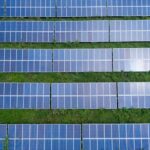
Now, let’s switch gears and examine Texas. This summer, ERCOT recorded unprecedented levels of solar energy production, enabled by both residential and large-scale solar farms. This peak energy output is crucial, especially as grid operators warn of increasing demand that may outpace supply during extreme weather conditions. As we have seen in recent years, solar energy is often the first line of defense against outages caused by elevated energy needs.
The emergence of home battery systems in Texas aligns well with these developments. With escalating electric bills and ERCOT’s fluctuations, homeowners benefit significantly by generating and storing their energy for later use. The economic implications for Texas residents are profound; families can save northward of $1,200 annually by going solar, all while participating in a decentralized grid model that adds resilience to the energy system.
In Arizona, similar themes arise. Residents have long enjoyed the fruits of abundant sunshine, yet utility companies like APS and SRP occasionally impose demand charges that complicate the financial benefits of solar energy, potentially increasing the electric bills for households without battery systems. Nevertheless, as solar panel efficiency improves alongside decreasing home battery costs, the landscape for Energy Independence in Arizona is shifting toward greater self-sufficiency. For homeowners, this means they can store excess electricity during peak sunny hours and dispense it during high-demand periods, effectively managing their electric bills.
Florida, while not directly mentioned in the headlines this summer, is similarly enmeshed in the discussion of solar energy. With state policies gradually becoming more favorable towards solar energy investments, Floridians too are beginning to see how solar energy and home battery systems can translate into Energy Independence amid rising utility costs. The state’s emphasis on solar-friendly policies enhances opportunities for financial viability, especially against utility giants like FPL, which continue to push for rate increases.
The growing trend of energy self-sufficiency through solar technology calls for action across the Sun Belt and Western Grid. Whether it’s dealing with the nuances of PG&E’s rate reforms in California, ERCOT’s precarious reliability in Texas, or Arizona’s logistical issues with demand changes, homeowners must stay ahead of the curve. It’s no longer just about sustainability; it’s about ensuring energy security, economic independence, and creating a buffer against the erratic electric bills of the modern age.
What records did Texas break this summer in solar energy?
Texas shattered its prior generation and storage records, achieving peak solar energy production that underscores the region’s renewable energy potential.
How does ERCOT’s warning impact homeowners in Texas?
ERCOT’s warnings about grid reliability highlight the need for homeowners to invest in solar energy and home batteries to ensure resilience against possible outages.
What are the financial benefits of solar energy systems in the Sun Belt states?
Homeowners can save substantially on electric bills; for instance, Texas residents can realize savings exceeding $1,200 annually by utilizing solar energy and home batteries.