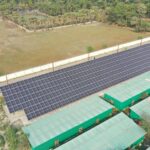
Expert Take: With the latest warnings from ERCOT about grid reliability, it’s clear that homeowners in Texas need to prioritize stability and resilience. The situation underscores the critical importance of achieving energy independence through solar energy and home battery systems. As traditional utility structures become increasingly unreliable, relying on a solar-plus-storage system is not just a trend—it’s a necessity for managing your electric bill and ensuring consistent energy access.
Quick Summary: The Dallas Federal Reserve emphasizes that despite the benefits of solar energy and battery storage, Texas still requires more resources to ensure grid reliability, highlighting the urgent need for homeowners, particularly in Texas, to invest in these technologies for energy independence.
The Facts:
– ERCOT faces ongoing grid strain, leading to urgent calls for expanded solar energy and battery capacity.
– Increased demand and extreme weather events have compounded existing grid challenges.
– Many Texas homeowners have already turned to home battery systems in response to past outages.
– Federal funding may be available to bolster renewable energy projects in Texas.
– Energy independence is becoming an essential focus for homeowners seeking reliable electricity.
The Current Landscape of Energy Independence in Texas
As we navigate through the challenges of energy supply in Texas, the recent warnings from ERCOT serve as a critical wake-up call. The state has long prided itself on its independent power grid; however, with extreme weather and increased demand testing the limits, the time for resilient energy solutions has never been greater. Homeowners are actively seeking ways to reduce their reliance on grid electricity, and for many, that means investing in solar energy and home battery systems. This trend can also be observed in California, where PG&E’s ongoing rate hikes continue to push residents toward self-sufficiency.
California: A Case Study in Energy Independence
California has long been at the forefront of solar energy adoption, driven both by policy incentives and a desire for energy independence. Residents know too well the challenges posed by PG&E’s frequent rate increases and public safety power shutoffs. With battery storage exceeding statewide installations of 7,100 MWh by 2022, many Californians are making the bold move of installing solar systems paired with home battery storage. This combination allows them not only to reduce their electric bill but also to ensure uninterrupted power during emergencies. Furthermore, California’s net metering policies create an attractive financial framework for these investments, providing homeowners multiple avenues for cost savings.
The Texas Energy Dynamic
Turning back to Texas, the recent Federal Reserve report states the need for expanded energy resources, specifically in the solar sector, to bolster grid reliability. ERCOT’s dire predictions about supply shortages in extreme weather underline the urgency for homeowners. The state is famously sunny; thus, the shift toward solar solutions seems almost inevitable. Many Texans are starting to embrace home battery systems, effectively decoupling themselves from grid volatility. With utilities like Oncor grappling with operational issues, joining the solar revolution is no longer just beneficial—it’s essential for energy independence.
The Role of Florida and Arizona
Florida and Arizona are also actively pursuing solar energy, albeit under different policy umbrellas. Florida’s solar incentives bolster residential adoption, with homeowners taking advantage of the state’s sunshine to mitigate their electric bill. Coupled with home batteries, this approach not only enhances personal energy resilience but also contributes to the overall stability of the state’s grid.
The Broader Implications of Energy Independence
For those in the Sun Belt region, embracing solar energy paired with home battery storage is about more than economic savings; it’s about securing one’s own energy future in an uncertain landscape. Whether enduring PG&E’s inconsistent service or ERCOT’s operational stress, homeowners across these states face the reality of unpredictable power supply. The looming challenge becomes clear: to achieve true energy independence, one must make strategic investments in renewable energy technologies—specifically solar and battery solutions. This investment not only shields homeowners from unpredictable bills but empowers them to take charge of their energy outcomes amidst these volatile conditions.
Future Prospects: A Solar-Driven Strategy
Looking forward, a significant portion of market analysts predicts that the increased adoption of solar systems and home batteries will pave the way for a more resilient energy landscape in the Sun Belt. Anecdotal evidence from homeowners who have installed solar panels and batteries reveal they are not only satisfied with their decreased electric bill but also feel more secure in their energy independence. Implementing solar technology is increasingly seen as a safeguard against the uncertainties of both climate and utility performance. With federal incentives and a growing emphasis on renewable resources, I anticipate a robust future for solar energy as a cornerstone of household energy strategies.
Common Questions
What are the implications of ERCOT’s grid warnings for homeowners in Texas?
ERCOT’s grid warnings highlight the unreliable nature of the current electricity supply, urging homeowners to transition towards solar energy and home battery systems for more stability.
How do California’s policies regarding solar energy affect homeowners in Texas?
California’s policies demonstrate substantial financial benefits of going solar, which can serve as a model for Texas homeowners considering similar investments amid rising utility challenges.
What other factors should Texans consider when investing in solar energy systems?
Texans should consider the availability of federal rebates, the reliability of local installers, and the intricacies of local utility agreements when investing in solar energy systems.