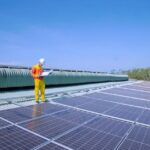
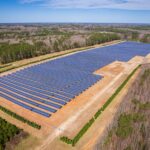
Expert Take: The recent report from the Federal Reserve Bank of Dallas highlights a pressing need for residential energy solutions in Texas, signaling a final straw for many homeowners struggling with inconsistent power supply. As electricity demand surges, the reliance on traditional grids poses risks to energy stability, further underscoring the urgency for Energy Independence. Investing in solar energy coupled with a home battery system presents a clear path to reducing your electric bill and ensuring resilience against future outages.
Quick Summary: According to the Federal Reserve Bank of Dallas, battery and solar energy systems are essential to maintaining power reliability in Texas as demand escalates. This situation signals a critical need for more homeowners to adopt sustainable, independent energy solutions to mitigate risks associated with traditional energy sources.
The Facts:
– Texas faces heightened demand for power, leading to increased energy stress.
– Homeowners utilizing solar energy and home batteries reported better reliability during outages.
– ERCOT emphasizes the necessity for more energy resources to avoid potential grid failures.
– Local incentives, such as tax credits, make solar investment financially appealing.
– The rising electric bill trends necessitate a shift toward self-sufficient energy systems.
Deep-Dive Analysis
The challenges presented by the Federal Reserve Bank of Dallas regarding energy reliance in Texas are not isolated; they echo similar concerns across the Sun Belt, especially in states such as California and Arizona. With Texas, particularly under the energy governance of ERCOT (Electric Reliability Council of Texas), the state’s infrastructure has been tested to its limits during peak demand seasons. Similar issues can also be observed amidst the regulatory and supply constraints faced by California’s PG&E (Pacific Gas and Electric) and Southern California Edison (SCE).
In California, residents are reeling from frequent rate hikes implemented by PG&E, which have led to widespread dissatisfaction. As of recent reports, the typical household energy bill has seen year-on-year increases upwards of 25%, prompting a drive towards energy independence through residential solar installations and home energy storage solutions. With SCE facing growing scrutiny over their handling of wildfire-related power shutoffs, many Californians have opted for solar energy systems that can power their homes independently, especially during crises. The state’s solar incentive programs and net metering policies have further aided this transition, but challenges remain in the form of regulatory obstacles and evolving utility rates.
In Texas, the hybrid use of solar energy combined with home batteries has emerged as a viable solution to combat electricity shortages. The summer of 2023 saw ERCOT issue multiple warnings about the integrity of its grid, and as demand continues to outpace supply, many homeowners are seeking refuge in their own solar-powered systems. The recent reports from ERCOT suggest that while local generation is improving, it still falls short of the necessary capacity to match peak demands; residents are thus increasingly empowered to explore personal energy solutions that can both stabilize their supply and lower their electric bills considerably.
Arizona is not exempt from these dynamics. Local utility companies like APS (Arizona Public Service) and SRP (Salt River Project) have been inundated with requests for added capacity, underscoring the advantages of solar energy adoption. Programs in Arizona also demonstrate significant return on investment for solar installations, showcasing how homeowners can leverage sunny conditions to achieve profound energy independence. Incentives such as the federal tax credit for solar energy systems have provided a solid foundation for homeowners eager to exit the volatile utility market.
A comparison of markets displays advantages and obstacles unique to the respective states, but they share a common thread—individual homeowners are exploring solar energy and home battery systems as a means to take control of their energy future. For numerous households, investing in a home battery combined with solar panels is no longer optional; it’s essential for ensuring safety and stability in an increasingly complex energy landscape. The expected rise in electric rates across all Sun Belt states will only exacerbate this trend, making long-term energy independence a viable concern for homeowners.
Common Questions
How has ERCOT’s grid performance affected Texas homeowners specifically?
ERCOT’s performance issues, especially during high-demand periods, have prompted many Texas homeowners to seek alternative energy sources. The increased likelihood of outages during peak seasons makes solar and home battery systems attractive options for maintaining energy reliability.
What are the financial incentives available for solar installations in California?
In California, homeowners can benefit from several financial incentives, including state tax credits, rebates, and the federal solar tax credit, which currently allows for a 26% deduction on the cost of solar energy systems. These incentives make the transition to solar energy more affordable.
Why is energy independence important in the American Sun Belt?
Energy independence in the American Sun Belt is critical as it protects homeowners from rising electricity costs, dependency on utility providers, and the reliability of energy sources. With increased frequency of natural disasters and climatic changes leading to unreliable grids, self-sufficiency becomes essential.