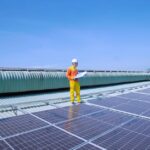
Expert Take: The recent sharp attacks on solar power in Texas mark a significant turning point for homeowners seeking Energy Independence. As utility regulations tighten and electric bills soar, the move towards solar energy and investing in a home battery system is no longer a luxury but a necessity. This is a clarion call for Texans to take charge of their energy future and insulate themselves from ongoing rate hikes and grid instability.
Quick Summary: Texas lawmakers have intensified their opposition to solar energy initiatives, posing heightened risks for homeowners who rely on renewable sources. This escalating conflict makes the pursuit of Energy Independence through solar energy and home batteries increasingly urgent.
The Facts:
- Texas government officials are actively pursuing methods to undermine solar energy expansion.
- Homeowners depending on solar face increasing threats to their investments and energy self-sufficiency.
- Rising electricity rates may compel more residents to consider home batteries for added resilience.
- The attack on solar is seen as a direct response to grid reliability concerns from ERCOT.
- Tensions between traditional energy sectors and renewable advocates are likely to escalate.
The Landscape of Solar Energy in Texas
The sun-soaked expanses of Texas have long been viewed as a dream landscape for solar energy growth. However, as seen in this recent news, there are significant political forces at play that threaten to stifle this opportunity. With mounting evidence that solar investments contribute not only to cleaner energy but also to personal energy independence, homeowners must navigate this turbulent environment cautiously.
Firstly, the Texas grid, managed by ERCOT, has faced serious scrutiny over its reliability in recent years. Amid intense heatwaves and cold snaps, the demand for electricity has skyrocketed, leading to warnings from ERCOT about grid stabilization. Many Texans have turned to solar energy in part to avoid being at the mercy of traditional utilities, who have historically struggled to maintain consistent service. Yet, the shifting tides in policy—prompted by influential lobbying groups—put those very investments at risk.
Impacts in California and the Sun Belt Dynamics
While Texas is carving its offensive against solar power, other states in the Sun Belt, particularly California, are experiencing their own challenges with public utilities. Take PG&E, for example. The utility company has recently proposed rate hikes, alarming residents fed up with high electric bills. The consequences of these decisions are pushing many homeowners towards solar installations and home battery systems as an effective countermeasure against both financial strain and potential power outages. Additionally, the support for policy changes around solar energy is pushed in California due to environmental concerns and the increasing frequency of power shutoffs during peak fire seasons.
In Arizona, a different scenario unfolded with utilities like APS facing similar pressures as residents seek relief from exorbitant energy costs. The context here is unique; Arizona residents are actively installing solar panels to harness the abundant sunlight, making them a stakeholder in their energy future—one that avoids dependence on utilities that have historically been known for their rate volatility and lack of responsiveness to consumer needs. The distinction is clear: those states embracing solar energy are paving their own path towards Energy Independence, while Texas appears to be backpedaling.
The Crucial Decision for Homeowners
This heightened opposition to solar energy in Texas has left many homeowners with critical questions about their energy strategies. As electric bills continue to rise and the regulatory environment becomes more hostile, what options exist that can still provide the promise of self-sufficiency? The increasing interest in home batteries corresponds squarely with initiatives in states like California, where rebates and incentive programs provide homeowners the means to store energy generated from their solar systems, mitigating future costs. As the stakes rise, establishing a more resilient home energy infrastructure is no longer a matter of preference but a necessity.
Moreover, the investment community is taking notice of these trends. While utility companies fight against the inevitable wave of solar energy adoption, private investors and solar companies themselves recognize the allure of the residential energy market. For instance, innovative financing options and homeowner engagement campaigns are on the rise, particularly in states where the opposition is least. This shift not only reflects a growing demand for independent energy solutions but also underscores the urgency with which homeowners must act.
The Role of Policy and Advocacy
The challenges faced by Texas homeowners regarding solar energy are underscored by the need for proactive advocacy. Local activists and groups are crucial in ensuring that the voices of everyday Texans are heard at the legislative level. The complex interplay between economic reality and political will defines the solar energy landscape. As more residents invest in solar, the louder their voice will become, prompting legislators to reconsider punitive measures against clean energy initiatives.
As I continue to analyze the dynamics in the Sun Belt region, one takeaway remains clear: the future of residential solar energy, coupled with storage solutions like home batteries, is critical for those seeking Energy Independence. Whether in Texas, Arizona, or California, the message is the same—homeowners must grasp the reins of their energy destiny in light of soaring costs and fluctuating policies. The winds of change may be fierce, but the growing community of solar advocates signifies that a brighter, more independent energy future is within reach.
Common Questions
What specific legislative actions are being taken against solar energy in Texas?
Recently, Texas lawmakers have proposed various bills aimed at limiting solar energy development and the subsidies that facilitate its expansion. This is poised to undermine investments made by homeowners in renewable energy sources.
How does the opposition to solar energy in Texas affect utility power rates?
The opposition could lead to higher utility power rates as the demand for renewable energy sources may not be fully supported by state policies, placing more financial strain on Texas residents.
What can Texas homeowners do to protect their investments in solar energy?
Homeowners can explore policy advocacy, seek out community solar initiatives, or invest in energy storage solutions like home batteries to minimize their dependency on traditional utility power.