Expert Take: With Base Power’s announcement of a battery-free retail energy plan, the message is clear: homeowners in Texas need to re-evaluate their stance on solar energy and energy independence. As grid challenges escalate and utility costs soar, opting for home batteries coupled with solar panels emerges as a non-negotiable path towards cutting your electric bill and achieving self-sufficiency. This situation stands as a final straw for many, compelling homeowners to embrace sustainable alternatives for their energy needs.
Quick Summary: Base Power’s new battery-free energy plan could lead to heightened concerns among Texas homeowners regarding energy rates and grid reliability, reinforcing the imperative for self-sustaining energy solutions like solar systems with home batteries.
The Facts:
- Base Power introduces a retail energy plan without home battery options, impacting major utility territories.
- This move raises concerns over energy costs and grid reliability in Texas.
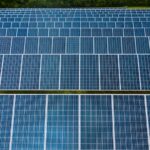
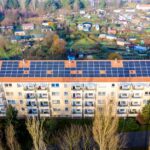
- Homeowners are encouraged to consider solar energy as a viable alternative.
- Grid issues may make energy independence crucial for long-term savings and reliability.
- Texas’s ERCOT grid is becoming more unpredictable, amplifying the need for self-generated electricity.
Deep-Dive Analysis
Base Power’s recent announcement marks a significant evolution in Texas’s retail energy landscape. The absence of battery options from their plan stands out, particularly in a state like Texas where grid reliability has long been a concern. ERCOT’s grid warnings from the last summer, where demand surged but generation fell short, exemplify the risks homeowners face with reliance on traditional utility models.
For homeowners in Texas, particularly those in Oncor’s jurisdiction, the reality of potentially skyrocketing electric bills due to insufficient grid support cannot be overlooked. Instead of remaining vulnerable to fluctuating rates driven by weather events and increased demand, embracing solar energy with integrated home batteries offers a promising solution. This shift not only mitigates the risks associated with grid failures but also empowers individuals to dictate their own energy production and usage.
In California, the dynamics portray a somewhat similar narrative. PG&E’s ongoing rate hikes have left many residents struggling financially. Homeowners are increasingly recognizing that the cost of waiting (due to rate increases) may surpass the upfront investment in solar systems equipped with energy storage solutions. Smartly designed solar installations can dramatically decrease reliance on costly grid sources, especially during peak hours when rates are highest.
Arizona, with its abundant sunshine, showcases another layer of utility dynamics. SRP’s recent proposals to phase out net metering could disincentivize solar adoption in the near term. However, for homeowners who invest in solar panels and paired home batteries, they can still achieve energy independence, regardless of what’s going on with local policies. This energy independence not only protects homeowners from variable utility costs but also offers freedom from relying solely on the grid, especially amidst changing regulations.
Given recent vulnerabilities exposed within utility sectors, making the transition to renewable energy is not just a trend—it is a necessity for homeowners across the Sun Belt region. Each state presents unique challenges but reinforcing one’s energy portfolio through solar and battery technologies paves the way for reduced reliance on state-run grids and their subsequent fluctuations.
Common Questions
What is the significance of the battery-free plan in Texas?
The battery-free plan highlights Base Power’s focus on retail energy without integrating storage solutions, which may lead homeowners to reassess their energy strategies and consider solar with home batteries to avert potential grid failures.
How does Base Power’s announcement impact residents in Texas?
This announcement accelerates the urgency for Texas homeowners to pursue energy independence through solar energy systems that include home batteries, countering rising electric costs and reliability issues posed by the ERCOT grid.
What are alternatives for homeowners concerned about rising electric bills?
Homeowners should strongly consider investing in solar energy systems combined with home batteries to ensure they can produce their own energy and safeguard against rising costs due to traditional utility rate increases.