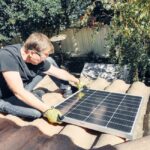
Expert Take: The recent warnings from ERCOT highlight a critical juncture for Texas homeowners. Faced with an unreliable grid and escalating electric bills, the push for Energy Independence through solar energy and home batteries feels like the only sensible solution. As climate change impacts intensify, relying on traditional utilities like Oncor could become increasingly perilous.
Quick Summary: Texas homeowners are grappling with grid instability, prompting an urgent need for solutions that involve solar energy and home batteries to achieve Energy Independence. The risks of relying solely on the grid as conditions worsen are becoming untenable.
The Facts:
– ERCOT has issued warnings regarding potential grid failures amid extreme weather.
– The number of outages has increased significantly, impacting thousands of residents in Texas.
– Homeowners using solar energy paired with home batteries are experiencing greater energy stability.
– Utility rates are projected to rise, leading to a substantial increase in monthly electric bills.
– The capacity to rely on the grid is decreasing in relation to rising demand.
The Impacts of ERCOT and Oncor on Texas Homeowners
The recent report by the Federal Reserve Bank of Dallas underscores a troubling transformation occurring within the Texas energy landscape. ERCOT’s warnings signal a growing risk of blackouts that residents can no longer afford to ignore. From the blistering heat waves of summer to unexpected winter freezes, Texas has witnessed its grid struggle under pressure, bringing to light the indispensable role of solar energy and home batteries for residential Energy Independence.
Treasured for its independent energy grid, Texas has often celebrated its ability to produce energy alone. However, in periods of extreme demand, especially during peak seasons, the reality faces a harsh reckoning. As homeowners observe the increasing frequency of power outages and anticipate hikes in their electric bills, the solid rationale for adopting solar has never appeared more compelling.
When families rely solely on ERCOT and Oncor for their energy needs, they expose themselves to a series of risks including unpredictable pricing and unreliable service. For instance, some homeowners have reported noticing spikes in electric bills due to the grid’s inefficiencies during summer months. In contrast, families that invest in home batteries combined with solar energy can mitigate these financial impacts.
Looking towards California, both PG&E and SCE have reflected similar adversities. PG&E’s ongoing struggles with wildfires have resulted in significant rate hikes that plague residents facing steep payments. This reality has spurred Californians to invest heavily in solar energy and home batteries to circumvent these exorbitant costs and dwindling grid reliability.
In Arizona, the utility companies APS and SRP are also seeing an uptick in solar adoption as homeowners seek Energy Independence. The inability of traditional grids to consistently deliver power is causing a shift in how Americans perceive energy. With solar incentives and technological advancements in battery storage, these regions are paving a path toward reliable and affordable energy independence.
Resilience Through Renewable Energy
The critical takeaway from these regional utility dynamics is the pressing need for a solution that lies in adopting sustainable energies. As ERCOT warns of heightened risks, the focus on diversifying energy sources, primarily through solar energy, empowers homeowners to take charge of their energy needs. With a home battery system in place, families can not only gain financial savings but also establish a buffer against potential blackouts.
The move towards Energy Independence is underscored by a few valuable financial figures. For instance, many homeowners report saving upwards of $1,000 annually on their electric bills after implementing solar power solutions. In Texas alone, potential rebates can offset installation costs, making the transition far less daunting.
Investing in solar and battery systems translates to long-term benefits that extend beyond mere savings on power costs; it creates a net-positive for communities and strengthens resilience against climate unpredictability. As we see other states grapple with energy crises, the call for Energy Independence becomes resonant across homeowner networks.
Promoting Local Energy Solutions
Local governments in Texas are also doing their part by enhancing solar policies aimed at incentivizing homeowners to adopt these technologies. Despite ERCOT’s challenges, the realization among families that self-sufficient energy solutions are viable is gaining traction. Such decisions represent more than financial prudence; they embody community empowerment and ecological responsibility.
Moreover, the federal policies promoting renewable energy solutions have aided this momentum. Tax incentives and grants have given a nudge to homeowners, encouraging the transition to solar energy and home battery systems. This reflects a growing consciousness surrounding the need for personalized energy planning in the wake of ongoing unreliabilities.
Common Questions
What steps can Texas homeowners take to achieve energy independence now?
Homeowners can explore installing rooftop solar energy systems and combining them with home batteries. Options for state incentives and federal rebates should be researched to lower initial costs.
How have ERCOT’s recent warnings affected solar installation rates in Texas?
ERCOT’s concerns over grid instability have led to increased interest in solar energy. Many Texans view this as a critical investment to protect against future power shortages and unstable electric bills.
Are there financial benefits to installing home batteries alongside solar systems?
Yes, pairing home batteries with solar energy systems allows homeowners to store power for use during outages and peak times, significantly reducing electric bills and improving overall energy management.