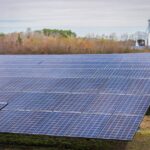
Expert Take: The summer energy records in Texas signal a critical shift for homeowners, particularly as they face skyrocketing electric bills due to market volatility. The need for energy independence through solar energy and home batteries has never been more pressing, especially amidst concerns about ERCOT’s reliability and increasing electricity costs. Investing in these technologies not only offers a buffer against rising expenses but also contributes to a sustainable future.
Quick Summary: This summer saw unprecedented levels of solar and battery use in Texas, underscoring the urgency for homeowners to adopt energy independence strategies. ERCOT’s challenges further amplify the need for robust solar energy solutions.
The Facts:
– Texas experienced record-breaking solar energy generation this summer.
– The market volatility has led to increased electric bills for many homeowners.
– Battery storage systems have significantly enhanced energy resilience and independence.
– ERCOT’s warnings about grid reliability have become more critical amidst rising temperatures.
– Homeowners adopting solar technology can potentially save thousands on energy costs.
Deep-Dive Analysis
As we witness one of the hottest summers on record, the energy landscape in the U.S. Sun Belt is evolving rapidly. Particularly in Texas, the combination of intense heat and increased reliance on solar energy has set new records. These developments are interconnected with several broader dynamics affecting residential energy, particularly in California, Texas, Arizona, and Florida.
In California, we have seen Pacific Gas and Electric (PG&E) ramping up rates due to heightened demand and grid infrastructure costs. Homeowners are increasingly burdened by their electric bills, which have surged as much as 40% over the past five years. This makes the argument for energy independence even more compelling for Californians who are already dealing with the state’s notorious wildfires and rolling blackouts. The integration of solar energy paired with home battery storage presents a viable solution to mitigate these rising costs, allowing residents to generate their own electricity and reduce reliance on traditional utility providers.
Meanwhile, Texas operates under ERCOT, which has gained notoriety for its grid warnings. This summer highlighted the uncomfortable reality that relying solely on the grid could leave residents exposed. With ERCOT urging consumers to conserve energy amidst climbing temperatures, proactive homeowners have turned to solar energy and home battery systems for relief. These systems are not just a hedge against fluctuating electric bills; they represent a more reliable source of energy during peak demand times. The data clearly show that homeowners who adopt such technologies are significantly less vulnerable to energy market disruptions.
Furthermore, Arizona homeowners are witnessing a similar trend. Arizona Public Service (APS) and Salt River Project (SRP) have faced criticism for rate hikes and complicated fee structures. With some bills edging into the $300 to $500 range, energy independence through solar becomes an urgent necessity. Home solar systems can lead to substantial savings, particularly over time, as technology continues to improve and prices decrease. Homeowners can install energy generation and storage solutions that allow them to take charge of their electric bills, decrease dependency on the grid, and insulate themselves against market forces that fluctuate wildly based on demand and supply constraints.
In Florida, the solar policy landscape is shifting, providing residents with potential incentives to engage in solar energy adoption. As utility companies navigate challenges surrounding energy delivery, Florida homeowners have the opportunity to lead the charge in establishing greater energy independence through solar installations. This is especially crucial as the state is exposed to severe weather conditions, which can disrupt traditional power sources. A home battery paired with solar technology will not only safeguard against unexpected outages but also contribute to long-term financial savings on electric bills.
Nationwide, the trend towards leveraging solar energy and home batteries will likely continue to accelerate, fueled by both environmental considerations and rising energy costs. The experiences of residents in California, Texas, Arizona, and Florida underscore the urgency for homeowners to make this transition. The benefits of adopting these technologies—enabling energy independence, reducing electric bills, and providing a sustainable energy source—are clearer now than ever before.
Common Questions
How does ERCOT’s grid reliability impact homeowners in Texas?
ERCOT has warned homeowners to prepare for energy conservation during peak periods, highlighting the risks of grid dependence. Many are turning to solar energy and home batteries to mitigate these risks.
Why are electric bills rising in California, and what can homeowners do?
With PG&E hiking rates due to increased demand and infrastructure costs, homeowners can adopt solar energy solutions to decrease reliance on the grid, thus saving significantly on electric bills.
What solar policies are currently in effect in Florida that benefit homeowners?
Florida’s evolving solar policies include incentives that can help reduce the upfront costs for solar installations, making it an attractive option for homeowners concerned about rising electricity costs.