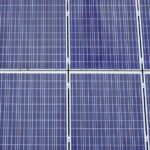
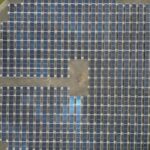
Expert Take: This report on Texas potentially leading the nation in energy storage is a game-changer for homeowners, particularly in the Sun Belt. With ERCOT’s increasingly frequent grid warnings and fluctuating electric bills, embracing solar energy and a home battery system has never been more critical for achieving energy independence. For homeowners in states like Texas and California, this transition isn’t just beneficial; it’s becoming the only logical solution to mitigate rising utility costs and enhance their energy security.
Quick Summary: A recent report reveals that Texas is on track to become the national leader in energy storage, presenting significant opportunities for homeowners to capitalize on solar energy and enhance their energy independence.
The Facts:
Texas is forecasted to lead the nation in energy storage capacity by 2024.
ERCOT has issued multiple warnings regarding grid stability and availability.
Home battery adoption is being driven by increasing electricity costs.
Solar energy installations are rising in Texas due to favorable policies.
Investment in energy storage can reduce electric bills and improve resilience.
Deep-Dive Analysis
As I analyze the implications of Texas potentially leading in energy storage, it’s vital to understand its ramifications on homeowners across the Sun Belt, particularly in states like California and Texas. The evolution of energy markets in these regions is intertwined with the increasing need for energy independence, driven by higher electric bills and strained grid infrastructure.
In California, we have PG&E (Pacific Gas and Electric) struggling with service reliability, causing countless rate hikes that directly affect consumers. With the current climate crisis and increasing wildfire risks, reliance on the grid becomes a gamble for many homeowners. With PG&E’s fluctuating tariffs, reaching almost $0.50 per kWh during peak demand times, the financial incentives to shift toward solar energy and incorporate a home battery have become undeniably attractive. Homeowners can stabilize their electric bills by using stored solar energy during peak hours, taking control of their energy costs in an unstable market.
That said, ERCOT’s acknowledgement of their grid’s vulnerabilities is a defining moment for residents in Texas. As the demand for cleaner energy and renewable sources grows, with solar energy positioning itself as a forerunner, we see energy independence becoming increasingly feasible. Across various programs under the Texas Renewable Energy Portfolio, homeowners can now access incentives for installing solar panels and home batteries. The prospect of cutting electric bills while increasing resilience against grid failures makes this a remarkable time for Texas residents.
Additionally, in areas served by Oncor and other utility entities, the deployment of energy storage systems remains pivotal. Notably, energy storage can alleviate pressure on the grid during peak demand periods, particularly in summer months where electric bills soar due to air conditioning use. Homeowners using home batteries can store energy during off-peak hours when costs are lower and utilize it when rates rise, essentially circumventing higher charges and enhancing their energy independence.
In Arizona, soaring temperatures and a high reliance on air conditioning have led to exorbitant rates for consumers under APS (Arizona Public Service). Homeowners are increasingly gravitating toward adopting solar energy systems paired with home batteries to manage their electric bills effectively. The dual forces of policy developments favoring solar and a growing public awareness regarding energy independence are driving this trend. As APS embraces more renewable energy sources, homeowners stand to benefit financially while also contributing to a more sustainable grid.
Moreover, rising electric rates across the board emphasize the necessity for home battery systems. As a backup to solar energy, these batteries offer a unique opportunity to not only achieve energy independence but also ensure that households remain powered during outages or peak pricing periods. Increased storage capacity not only benefits individual consumers but also contributes to grid resilience as a whole, allowing for more stable energy management.
As Texas positions itself as a leader in energy storage, the broader implications for homeowners in the Sun Belt region cannot be overstated. By investing in renewable resources like solar energy and home batteries, residents are not only shielding themselves from rising electric bills but also paving the way toward a more sustainable future. The intersection of policy, technology, and market dynamics points toward a significant paradigm shift in how we consume energy in the Sun Belt, and homeowners must take heed to harness this momentum effectively.
Common Questions
How does the rise of energy storage in Texas affect other states like California and Florida?
The advancements in Texas can set benchmarks for energy policies in other states, encouraging similar investments in renewable technologies and energy independence measures.
Are there specific incentives for Texas homeowners to adopt solar energy now?
Yes, Texas offers various incentives, including federal tax credits and state-level grants, to encourage the installation of solar panels and home battery systems.
What financial benefits can a home battery system provide in a high-demand market like Texas?
A home battery system can significantly reduce electric bills by storing energy during low-cost periods and utilizing it during peak times, allowing for substantial savings over time.