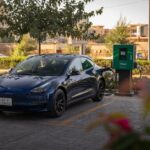
Expert Take: The news that electric vehicles (EVs) can now power homes is a game changer for homeowners in the Sun Belt, particularly as electric bill rates skyrocket amid utility rate hikes. This advancement underscores the necessity of pursuing energy independence through solar energy and home battery systems, especially in states like California and Texas. With utilities like PG&E and ERCOT facing ongoing challenges, investing in such technologies isn’t just smart—it’s essential.
Quick Summary: Recent developments show that certain electric vehicles can effectively power homes, presenting a significant opportunity for homeowners to leverage this technology. As electricity rates rise and utility reliability remains in question, this functionality positions EVs as viable components of a holistic energy independence strategy.
The Facts:
– A new technology allows select electric vehicles to provide power to homes.
– This development highlights the vulnerability of traditional electrical grids.
– Homeowners can potentially save on electric bills by using EVs as power sources.
– The technology emphasizes the importance of robust solar energy and home battery systems for resilience.
– EV usage aligns with environmental conservation goals, further enhancing their appeal.
Understanding the Impact of EV Powering on California’s Residential Energy Landscape
California homeowners are no strangers to rising energy costs, especially under the burden of PG&E’s frequent rate hikes. Notably, the average electric bill has seen increases of nearly 20% across the state during peak usage months, driven largely by operational losses and infrastructure upgrades. The introduction of electric vehicles capable of powering homes presents Californians an alternative method to circumvent these high costs. By leveraging solar energy to charge these vehicles, residents can create a significant buffer against increasing utility rates, essentially converting their EVs into mobile battery systems.
Additionally, considering California’s ambitious climate goals, the Federal and state incentives for solar installation and electric vehicle purchase further promote the combined use of solar energy and EVs as viable tenets of energy independence. In a state known for its progressive energy policies, coupling solar panels with an EV home power system places homeowners in a position to not only manage their electric bills but also contribute to a more sustainable energy model.
Comprehending Texas Energy Dynamics and EV Powering
In Texas, the situation becomes even more critical given ERCOT’s instability and the warnings of rolling blackouts during hot summer months. Homeowners have faced the looming risk of utility service interruptions and blown budgets related to skyrocketing electric bill prices. The ability of certain electric vehicles to serve as backup power sources could be the lifeline that a segment of Texas homes require to maintain their standard of living in terms of energy supply.
The state’s unique energy landscape, marked by its deregulated market, incentivizes residents to seek solutions outside traditional utility contracts. Moreover, home battery systems paired with solar energy significantly reduce reliance on ERCOT, especially during periods of high demand. Integrating EVs into this mix further amplifies homeowners’ capabilities, permitting them to harness the full potential of their solar setup while also allowing them to utilize their vehicles as energy reserves in moments of need.
The Arizona Solar Experience and EV Integration
Being one of the sunniest states in the U.S., Arizona benefits immensely from solar energy, and the recent advancements in EV technology fit perfectly into this narrative. With utility rates also on the rise due to fluctuating energy demands and policies from APS and SRP, residents might find relief in employing electric vehicles as auxiliary power sources. It doesn’t stop at cost savings either; Arizona’s 30% federal tax credit for solar systems amplifies the financial attractiveness of installing robust solar energy solutions paired with a home battery system.
The combination of solar energy harnessed during the day and storage solutions increases a household’s resilience and, when leveraged with EV power capability, ultimately enhances state energy independence. With greater emphasis on clean energy and sustainability, Arizona is poised to set significant benchmarks for residential energy solutions in the region.
Common Questions
How can my EV provide power to my home during outages?
Certain electric vehicles can act as a power source for your home when connected to a bi-directional charger. This setup enables power to flow from the EV’s battery back to your home’s electrical system, allowing it to power essential devices during outages.
Are there specific EV models that are better for home power usage?
Yes, models such as the Ford F-150 Lightning and the Tesla Model X have notable capabilities to supply energy back to a home, thanks to their advanced technology and battery capacity. Homeowners should consult with their dealers to understand specific features and compatibility.
What are the implications for my electric bill if I use my EV at home?
Using your EV to power your home can reduce reliance on the grid, potentially lowering your electric bill. However, it also depends on how often you use the EV for this purpose and your utility’s rate structure. Additionally, charging your EV with solar energy can further reduce costs.