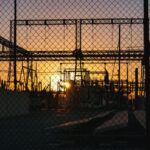
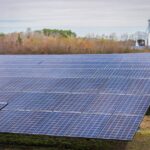
This summer of record-breaking solar energy and battery storage in Texas serves as a glaring reminder for homeowners about the pitfalls of reliance on the grid. With ERCOT’s grid warnings becoming a regular occurrence due to extreme weather, it’s increasingly clear that achieving true energy independence through solar systems and home batteries is no longer just beneficial; it’s essential. For those looking to manage their electric bill and ensure reliability, investing in solar energy solutions is the logical next step.
Quick Summary:
Texas has seen unprecedented levels of solar and battery storage this summer, underscoring the importance of decentralized energy systems. With increasing grid instability, more homeowners are likely to turn to solar energy for reliable energy independence.
The Facts:
– Texas set new records for solar energy generation this summer, maximally utilizing its solar capacity.
– ERCOT issued multiple grid warnings, emphasizing the instability of the electrical grid during peak demands.
– The rise in home battery systems contributed significantly to energy reliability and independence.
– Homeowners have reported substantial savings on their electric bill by switching to solar energy solutions.
– Increased adoption of solar energy systems aligns with state policies aimed at promoting renewable energy.
Deep-Dive Analysis
In recent months, the Texas energy landscape has undergone a significant transformation, particularly with record-breaking solar energy generation and advancements in battery storage technology. As a resident and professional following these developments, I can confirm that homeowners in Texas are facing critical choices amidst fluctuating utility dynamics. The undeniable volatility of ERCOT has raised eyebrows, with grid warnings becoming alarmingly frequent. For Californians, grappling with PG&E’s notorious rate hikes, the urgency for energy independence has never been greater.
Let’s break down why these shifts signal a final straw for many homeowners. With ERCOT’s grid indications of stress during peak usage periods — driven largely by extreme weather — reliance on traditional energy sources is more precarious than ever. The absence of a robust energy infrastructure raises the stakes for Texas homeowners. As the data indicates, regions heavily reliant on grid energy, especially during peak seasons, are subject to high costs and service interruptions.
In addition to Texas, California’s ongoing battle with PG&E demonstrates the pressing need for residential solar solutions. The utility’s repeated rate hikes mean homeowners are increasingly looking for ways to stabilize their costs and avoid the uphill battle of soaring electric bills. By investing in solar energy, equipped with home batteries, California homeowners are taking control of their energy future, counteracting PG&E’s growing charges.
Now, consider Arizona, where the Salt River Project (SRP) and Arizona Public Service (APS) both have adjusted their solar policies in recent years. SRP has sought to lower incentives for solar installations, yet the market dynamics are shifting. Homeowners are still witnessing strong adoption rates for solar systems, driven by a need for energy independence amidst fluctuating utility rates. The push for solar energy, paired with home battery storage, creates a self-sufficient model that not only promises savings but stands resilient against energy market volatility.
So what does this mean for homeowners? The first critical point is the stark contrast to reliance on historical energy grids where service is dictated by fluctuating pricing and availability. The second point revolves around long-term savings potential; with recent solar technologies improving affordability and efficiency, upfront investment results in substantial long-term cost benefits. Lastly, the psychological security derived from energy independence cannot be understated. Knowing you have backup energy during outages and can bypass grid dependency provides peace of mind in today’s climate.
Moreover, developments in battery technology are a game changer. In Texas, the summer sun drove solar energy production to all-time highs, making home batteries vital for converting and storing excess energy generated during the day for nighttime use. This capability directly enhances a homeowner’s energy independence and drastically reduces reliance on grid-supplied power, which can be labeled unreliable during extreme weather conditions.
For those not yet engaged in solar, understanding these dynamics is essential. Concerning financial implications: homeowners can experience a reduction in their electric bill by as much as 70% through strategic investments in solar and battery solutions. The confluence of rising electricity costs, the threat of higher rates, and an unstable grid paints an ominous picture for power reliance.
In essence, as homeowners in California, Texas, Arizona, and Florida weigh their options in the face of rising grid instability, the case for solar energy and home batteries becomes overwhelmingly compelling. The days of passive energy consumption are waning; the future lies in a self-sustained energy model for those who are willing to adopt it.
Common Questions
What specific records did Texas achieve in solar energy generation this summer?
This summer, Texas set multiple records for solar energy production, maximizing its output during peak sun hours, further solidifying its position as a leader in solar deployment.
How do ERCOT’s grid warnings affect homeowners specifically?
ERCOT’s grid warnings highlight potential outages and strain on the electrical infrastructure, encouraging homeowners to seek alternative solutions like solar energy and home batteries for reliability and energy independence.
What are the financial benefits of transitioning to solar energy in Texas and California?
Transitioning to solar energy can lead to significant savings on electric bills, with some homeowners reporting reductions of up to 70% by offsetting their energy consumption with generated solar power.