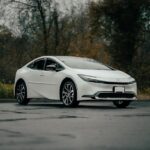
Expert Take: As I analyze the latest news about electric vehicles (EVs) being able to power homes, I see this as the final straw for many homeowners struggling with soaring electric bills and unreliable grid mandates, especially in California and Texas. Energy independence, bolstered by solar energy and home batteries, is rapidly becoming the only logical solution to combat increasing rate hikes and grid instability. In a region where energy autonomy is not just a luxury but a necessity, this development should push residents to prioritize their energy independence.
Quick Summary: The article highlights how certain electric vehicles can power homes, making them a potential backup during outages. This innovation underscores the importance of solar energy and energy independence in a time of grid unpredictability.
The Facts:
Selected EV models can now support home power needs during outages.
This capability may enhance energy independence, particularly amidst rising electric bills.
EVs can work in conjunction with solar systems and home batteries.
The development aligns with the growing demand for sustainable energy solutions.
Utilities like PG&E and ERCOT may face further scrutiny as energy independence becomes more accessible.
Deep-Dive Analysis
Understanding the ramifications of EVs capable of powering homes requires a focused examination of the US Sun Belt’s varied landscapes: California, Texas, Arizona, and Florida. This innovation holds broad implications for residents of these states as they navigate daunting energy costs and policy shifts.
In California, homeowners are already grappling with the fallout from PG&E’s aggressive rate hikes. From residential users to larger commercial operations, the strain on household budgets is undeniable. The recent push for EVs to supply power presents an attractive solution for those looking to mitigate high electric bills. With solar energy installations becoming commonplace, the integration of a home battery can enhance the efficiency of an EV’s power-sharing capabilities. This synergy aligns perfectly with California’s mandates for reducing grid consumption, ultimately granting homeowners a sense of energy independence.
Moreover, the unpredictability of wildfires has led to Public Safety Power Shutoffs (PSPS) that disrupt normal energy flow, compelling homeowners to invest in alternative sources. EVs that can double as generators allow families to retain essential appliances during outages. I believe this is crucial for residents concerned about both emergency preparedness and energy resilience.
In Texas, ERCOT’s ongoing grid warnings raise alarm bells about the reliability of the energy supply. As more residents seek energy independence, the compatibility of EVs with home battery systems becomes essential. The Texas market is already rich in solar energy potential, which means residents can harness energy not only for driving but also to power their homes during peak demand times or outages. Implementing these systems could alleviate pressure on the grid at moments of crisis, reducing overall electric bills for households.
In addition, I must mention that ERCOT’s mandate encourages adoption of renewable energy sources, which is a mutually beneficial cycle that bolsters both the grid and homeowners seeking autonomy over their energy sources. The prospect of pairing a solar system with an EV and a home battery creates a self-sustaining energy eco-system.
Arizona’s experience provides a different viewpoint. With solar energy already prevalent due to generous state incentives, the addition of EVs as backup power sources can accelerate the path to complete energy autonomy. Arizona Public Service (APS) offers innovative programs which could bolster such integrations. Residents can thus enjoy the dual benefits of having a reliable power source at home while also charging their vehicles with solar energy – a recipe for lowering monthly electric bills.
Furthermore, the legislative landscape around solar energy continues to evolve. In states like Florida, even as policies shift, a growing emphasis on solar adoption remains evident, and homeowners are increasingly recognizing the importance of combining solar power with tools such as EVs and home batteries. The possibility for apartment dwellers or condo residents also opens up, as they can harness communal solar initiatives in concert with personal electric vehicles.
Even as we consider geographical variances across the Sun Belt, a collective push for reducing reliance on traditional utilities seems to be in high demand. With the advent of these advanced EV technologies capable of powering homes and solar systems, I’m confident that we can genuinely pave the way for a future of energy independence for many residents across California, Texas, Arizona, and Florida. It seems that the path to functional energy independence is becoming clearer with each innovative advancement.
Common Questions
Can all EVs power a home, or are specific models required?
Not all electric vehicles can power a home. Only select models have been designed with this capability, often requiring specific home battery systems or inverters to facilitate the energy transfer.
How does using an EV to power my home affect my electric bill?
Using your EV to supply power to your home can significantly reduce electric bills, particularly during peak hours when traditional rates are higher. This can translate to considerable savings if paired with solar energy systems and home batteries.
Will utilities like PG&E or ERCOT adapt to this new technology trend?
Utilities are likely to adapt, potentially by implementing incentives for homeowners who utilize energy storage technologies, including EVs. Increased energy independence and reduced grid demand could lead to new regulatory frameworks and pricing models.