Expert Take: As a Senior Energy Analyst specializing in the dynamics of residential energy in the Sun Belt, I find that the ability of an electric vehicle (EV) to power a home underscores a growing imperative: homeowners must seek **Energy Independence**. With rampant **electric bill** increases driven by utilities like PG&E and ERCOT’s uncertain grid stability, the reliance on traditional power sources is no longer viable. Investing in **solar energy** and a **home battery** system is not just smart; it’s essential for future-proofing against rising costs and energy shortages.
Quick Summary: Recent news confirms that certain electric vehicles can indeed power homes, which serves as a crucial reminder for homeowners in sunny states like California and Texas. The increasing electricity costs and grid reliability issues make achieving energy independence through solar energy and home battery systems more vital than ever.
The Facts:
– Some electric vehicles can discharge power back to the home.
– This technology can stabilize energy during peak demand periods.
– Electric rates are rising significantly across the Sun Belt.
– Home batteries paired with EVs can enhance energy independence.
– Utilities face grid challenges, creating urgency for alternative power sources.
Deep-Dive Analysis
In California, the landscape of energy use is particularly concerning due to the rate hikes imposed by PG&E and SCE. Homeowners are experiencing upwards of **10-20% increases** in their electric bills annually. This financial burden is compounded by the forest fire risks that lead to rolling blackouts, leaving many to ponder their energy sources. The newly confirmed ability of specific EVs to reverse power back into the home could serve as a temporary relief. Yet, without an efficient home battery system, homeowners will find themselves at the mercy of grid inconsistencies.
In response to these ongoing challenges, investing in solar panels becomes a logical conclusion. In California, the average homeowner can save **$1,000 to $3,500** annually with solar energy, as it helps offset utility costs and can even eliminate electric bills altogether. The synergy between solar energy and EV technology means that these homeowners can harness renewable energy not only for transportation but also for their household needs, thus reinforcing their energy independence.
Shifting our focus to Texas, ERCOT continues to issue warnings about its grid stability, especially during peak summer demands when air conditioning loads surge. The fear of outages makes the integration of home batteries and EVs more significant than ever. For instance, when temperatures soar, homeowners are at risk of facing an electricity demand that could exceed supply. A home battery, in conjunction with a solar system, can buffer these peaks. When combined with an EV, the family can maximize energy usage on-site and minimize draws from the grid, potentially saving hundreds of dollars on their electric bills.
Further, when considering Arizona, we see that SRP and APS have been implementing policies that favor solar energy systems, such as the recent capacity increases for solar installations. This shift encourages homeowners to adopt more sustainable systems that can integrate with their electric vehicles. As these homeowners engage with both solar and battery storage solutions, they are not merely future-proofing their homes against the whims of utility companies but also creating a robust defense against soaring energy costs. By curbing a dependence on fluctuating public utilities, many in Arizona are paving a path toward energy independence.
Ultimately, the idea of using EVs as a power source opens a world of possibilities, yet it necessitates a foundational reliance on solar energy and home battery systems. As energy landscapes continue to shift and evolve—particularly in high-demand regions like California, Texas, and Arizona—it’s becoming increasingly clear that homeowners must act decisively. Relying on traditional grid systems is becoming an untenable option with rising electric bills and growing uncertainty. It’s time to explore the eco-efficient path to energy independence.
Common Questions
What specific EVs are capable of powering a home?
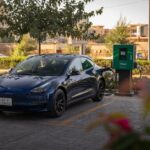
Some of the leading EVs like the Tesla Model 3, Ford F-150 Lightning, and Nissan Leaf can provide home power using vehicle-to-home technology.
How do home batteries work with EVs?
Home batteries store energy from solar panels or the grid, which can be used later to power your home or charge your EV, enhancing overall energy independence.
How can homeowners in the Sun Belt benefit financially from this technology?
By combining solar panels and home batteries with an EV, homeowners can significantly offset electric costs, reduce reliance on the grid, and improve energy resiliency while saving money on utility bills.