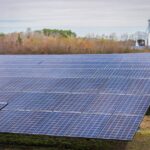
Solar Energy is rapidly becoming the go-to choice for homeowners in many parts of the world, and the trend is gaining traction across the United States as well, particularly in sunny states like California, Texas, and Arizona. Homeowners are increasingly opting for solar installations, which not only reduce electric bills but also contribute to a cleaner environment.
Why Homeowners Are Choosing Solar Energy
One of the primary reasons homeowners in the U.S. are transitioning to solar energy is the financial benefits it offers. By investing in solar panels, homeowners can drastically reduce their electric bills. For instance, California homeowners benefit from substantial sunlight exposure, making solar energy a highly effective option. Utility companies like PG&E have also introduced net metering, which allows homeowners to sell excess energy back to the grid, providing further financial incentives.
In Texas, where the energy market is deregulated, homeowners have greater options to shop for competitive electricity rates. The constant sun and availability of solar installers create a perfect storm for adopting solar technology. Local utility companies such as Oncor provide resources and rebates to encourage solar adoption, making the cost of installation more manageable.
Moreover, Arizona is renowned for its solar potential, often leading the nation in installed solar capacity per capita. With state incentives and favorable regulations, homeowners can take advantage of tax credits designed to offset the initial costs of solar panel installation. This state-specific support makes solar not just a viable option, but often a financially sound decision.
The Rise of Home Batteries and Their Impact
In addition to solar panels, the installation of home batteries is becoming increasingly popular. These batteries store excess energy generated during the day for use at night, ensuring that homeowners can rely on their solar systems even when the sun goes down. By coupling solar energy with a home battery, families can achieve greater independence from the grid, further minimizing their electric bills.
State incentives often apply to home battery installations as well, making it even more appealing to invest in this technology. With policies that support energy storage and promote clean energy usage, states like California are leading the way in creating a sustainable energy future.
Government Incentives and Tax Benefits
The federal government currently offers a solar tax credit that allows homeowners to deduct a percentage of the installation cost from their federal taxes. In addition to this federal incentive, many states offer their own rebates and credits. For instance, California has various solar incentive programs, while Texas offers unique financing options that can ease the financial burden of switching to solar.
By taking advantage of both federal and state incentives, many homeowners find that the net cost of installing solar panels and home batteries is significantly lower than expected. This ease of access encourages more individuals to consider solar energy seriously.
Common Questions
How much does solar energy cost?
The cost of solar energy systems varies depending on factors such as location, system size, and local utility rates. On average, a residential solar system can range from $15,000 to $25,000 before tax credits and incentives. In states like California, aggressive incentives and high electricity rates can lead to a quicker return on investment.
Is solar energy worth it in 2026?
Yes, in 2026, solar energy is expected to remain a worthwhile investment for homeowners. With advancements in technology, the efficiency of solar panels is constantly improving, and the costs are projected to continue decreasing. As more states adopt renewable energy goals and federal incentives remain in place, homeowners will find solar energy more accessible and valuable.
What are the benefits of a home battery?
Home batteries provide various benefits, including energy independence, reduced reliance on the grid, and lower electric bills. In regions experiencing frequent outages, having a home battery allows homeowners to maintain power even during blackouts. Moreover, with time-of-use pricing becoming more common, batteries allow homeowners to utilize stored energy during high-rate periods, saving even more on electric bills.
In conclusion, as homeowners across the United States increasingly recognize the financial and environmental benefits of solar energy, it’s clear that this trend will grow. With supportive state policies and innovative technologies like home batteries, the shift toward renewable energy sources is becoming a vital aspect of modern American homeownership.
As homeowners across the United States look for ways to reduce their electric bills and embrace sustainable living, solar energy has become an increasingly popular option. More homeowners are choosing to install solar panels, driven by rising energy costs, environmental awareness, and enticing government incentives.
Why Solar Energy is Booming in the U.S.
Just like in Ireland, the trend of residential solar energy adoption is gaining momentum in the U.S. In states like California, Texas, and Arizona, the shift towards solar power has been significant. With numerous sunny days throughout the year, these states are prime candidates for solar energy utilization.
One of the key reasons for this booming market is the decreasing cost of solar panel installations. According to recent reports, the average price of solar systems has dropped by more than 70% over the last decade. Homeowners are increasingly recognizing that financing options and solar leases make this renewable energy source more accessible than ever.
Focus on Key U.S. States
In California, utility companies like Pacific Gas and Electric (PG&E) have expanded their solar programs in response to increased demand for renewable energy solutions. Homeowners can take advantage of several incentives, including the California Solar Initiative and federal tax credits that can significantly reduce the initial cost of solar installations. Moreover, California’s aggressive energy policies create a favorable environment for solar growth.
Texas, home to Oncor and other major utility providers, has also seen a surge in solar energy adoption. The state has one of the highest photovoltaic installations in the nation due to its abundant sunshine and potential savings on electric bills. In Texas, homeowners can benefit from a Property Assessed Clean Energy (PACE) program, allowing them to pay for solar systems through their property taxes, making it easier to manage costs.
Arizona continues to be a leader in solar energy due to its pioneering policies and incentives that encourage homeowners to switch to solar. The state operates the “Arizona Solar Energy Tax Credit,” providing rebates based on the solar system’s capacity. Coupled with the low net metering rates offered by local utility companies, the advantages for Arizona residents are substantial.
The Financial Upsides of Going Solar
Investing in solar energy not only benefits homeowners environmentally but financially too. A switch to solar can dramatically decrease your electric bill, with some homeowners reporting savings of up to 50% or more. Additionally, solar panel systems have been shown to increase property values, making them a smart long-term investment. Most homeowners can expect to recoup their initial investment in as little as 5 to 7 years, depending on factors such as local energy rates and incentives.
As electricity prices continue to rise, the prospect of locking in low energy costs with solar becomes increasingly enticing. Moreover, with many states being proactive about climate change, having a solar system allows homeowners to contribute to the overall reduction of greenhouse gas emissions.
What About Home Battery Storage?
In addition to solar panels, home battery storage is becoming an essential aspect of energy independence for homeowners. By integrating a home battery system with solar panels, you can store excess energy harvested during the day for nighttime use, helping to maximize savings on electric bills. This ensures that you don’t have to draw from the grid during peak hours when electricity is most expensive, enhancing your overall energy efficiency.
Common Questions
How much does solar energy cost?
The cost of solar energy systems can vary significantly based on location, system size, and material quality. Generally, the average cost to install solar panels in the U.S. ranges from $15,000 to $25,000 before tax credits and incentives. In states like California and Texas, homeowners can take advantage of numerous financing options that reduce upfront costs.
Is solar energy worth it in 2026?
Considering the ongoing advancements in technology and continuing drops in solar prices, solar energy is likely to remain an excellent investment through 2026 and beyond. Even as the market matures, various state and federal incentives make switching to solar energy financially appealing.
Do home battery systems save money?
Yes, integrating a home battery system with your solar setup can save you substantial amounts on your electricity bill, especially in major cities where peak demand rates are high. By storing energy for later use, you can bypass peak-hour charges that typically drive up your bill.
In summary, the trend of moving towards solar energy is not just arising from environmental concerns but also driven by significant economic benefits and energy savings. As homeowners in California, Texas, and Arizona showcase, there has never been a better time to make the switch to solar.