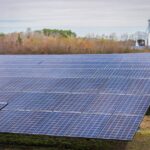
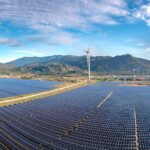
Expert Take: This summer has marked a significant turning point for homeowners in Texas, with record-setting solar energy production and home battery storage. As ERCOT issues grid warnings, it highlights the vulnerability of depending solely on traditional power sources. Embracing solar energy along with a home battery is not only about reducing your electric bill; it’s essential for achieving true energy independence in these uncertain times.
Quick Summary: The recent report from the Institute for Energy Economics and Financial Analysis indicates that Texas is experiencing record levels of solar energy output and battery storage, aligning with homeowners’ increasing desire for energy independence as grid warnings escalate.
The Facts:
– Texas broke records for solar energy production this summer.
– Home battery storage is becoming a crucial component for energy independence.
– ERCOT issued warnings indicating grid instability due to high demand.
– Homeowners are keen to mitigate rising electric bills with sustainable energy solutions.
– Solar energy paired with home batteries offers a viable solution to reliance on the grid.
The Impact of Solar Energy and Home Batteries in California
In California, rising energy costs have become an unbearable burden for homeowners. Pacific Gas and Electric (PG&E) has hiked rates numerous times, forcing many families to seek alternatives to avoid exorbitant electric bills. With the California Public Utilities Commission (CPUC) pushing for more solar energy adoption, the state is seeing a shift towards renewable sources. The average electric bill in California has reached around $200 per month, prompting homeowners to explore solar energy as a way to escape the rising costs.
Moreover, safety concerns highlight the need for energy independence, as we witness the devastating impact of wildfires and resulting outages. Solar energy, coupled with a home battery, presents the ideal solution for Californians seeking independence from traditional power sources that are not only unreliable but costly.
Texas Solar Surge and ERCOT Dynamics
In Texas, the recent summer has experienced extraordinary levels of solar energy generation, coinciding with ERCOT’s increasing grid instability, a stark reminder of how crucial energy independence is for homeowners. With grid warnings echoing throughout the state, Texas residents face uncertainty regarding their electricity supply. ERCOT has predicted demand could hit historic levels, putting more strain on the grid. Aggressive adoption of solar energy technologies paired with home batteries offers residents a pathway to fortify against these threats.
Texans are becoming increasingly aware of the benefits of harnessing solar energy for their homes—especially as the state continues to see inconsistent energy supply. A robust home battery system allows homeowners to store solar energy for use during peak demand times or grid outages, effectively lowering their electric bill and enhancing their overall energy stability. As energy prices fluctuate, consumers are finding it imperative to invest in renewable energy technologies.
Arizona’s Changing Solar Landscape
Arizona residents are also witnessing a surge in solar energy adoption, especially with the state’s abundant sunshine. Arizona Public Service (APS) and Salt River Project (SRP) have begun to encourage solar installations by offering various incentives. However, they are also implementing charges on solar energy users, which adds a layer of complexity to the economics of solar energy adoption.
The impact of these policies has incentivized many homeowners to utilize home batteries as they seek energy independence amid changing regulations. By doing so, residents can mitigate the additional fees imposed by their utility providers while simultaneously increasing their reliability on solar energy. The average electric bill in Arizona now averages about $120 per month, and many homeowners are looking to solar as a long-term solution for sustainable energy management.
Solar Policies in Florida’s Energy Landscape
Over in Florida, rising interest rates combined with a stagnant market are prompting homeowners to explore solar energy solutions that offer independence from traditional utilities. Last year, several solar policies were enacted, encouraging sustainable practices and further facilitating an accessible energy transition. This transformation is essential, especially when considering the state’s heavy reliance on gas for energy.
Florida’s unique geographic condition means residents have access to year-round sunlight, providing ample opportunities for solar development. The integration of home battery technologies is set to revolutionize energy independence in this state as homeowners can store energy generated from solar panels during the day for use at night, significantly cutting down their electric bills. This is essential in a market driven by rising energy costs, where homeowners need effective solutions that add value and resilience to their properties.
The Way Forward: Home Battery Systems as a Game Changer
The incorporation of home battery systems alongside solar energy technologies has paved the way towards achieving energy independence. As utility companies like PG&E, ERCOT, and APS face challenges, homeowners can take proactive measures to reduce their reliance on the grid while also managing their electric bills effectively.
With solar energy expected to play a critical role in the future of residential energy consumption, investing in these technologies not only caters to immediate needs but also aligns with a long-term vision of sustainability and independence from unstable utility dynamics. As advocates for energy independence, we believe understanding local utility dynamics, such as rate hikes and grid constraints, is crucial for families to make informed decisions about their energy future.
How does Texas’ solar energy production affect my electric bill?
Texas’ record-setting solar energy production can greatly reduce your electric bill by allowing homeowners to harness inexpensive electricity during sunny days. This means relying less on the grid when demand peaks, which can lead to substantial savings over time.
What benefits do home batteries provide during grid instability?
Home batteries allow users to store excess solar energy generated during the day, providing a reliable power source during grid outages or times of high demand, effectively ensuring continuous power supply while keeping electric bills low.
Are electric bills expected to rise further in California and Texas?
Yes, both California and Texas have seen trends showing rising electric bills due to increased demand and fluctuating supply. Homeowners investing in solar and home battery systems can combat these rising costs effectively.