Expert Take: As a Senior Energy Analyst, I see the growing discussions about using EVs to power homes as a pivotal moment for homeowners in the Sun Belt. With rising utility rates from PG&E, ERCOT’s grid warnings, and ongoing solar policy shifts in Florida, achieving true Energy Independence through Solar Energy and a home battery is not just logical; it’s essential. This has become a “final straw” for many, emphasizing a shift away from ever-increasing Electric Bills towards sustainable solutions.
Quick Summary: Recent discussions on electric vehicles (EVs) being able to power homes highlight a milestone for energy independence, particularly in the Sun Belt. As reliance on traditional grid systems like PG&E and ERCOT becomes increasingly fraught with challenges, homeowners must seriously consider solar energy and energy storage solutions to mitigate rising costs and ensure reliability.
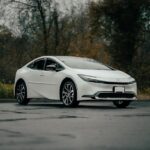
Many new EV models can now provide backup power to homes, presenting a dual-use opportunity for consumers.
The shift toward using EVs for home power comes amid rising utility costs and grid reliability concerns across the Sun Belt.
Implementing a solar energy system alongside an EV could significantly reduce reliance on the aging electric grid.
Home batteries can enhance energy independence, making it easier to manage power needs during outages or peak usage times.
Homeowners must consider the upfront costs versus potential savings on their electric bills, particularly in states with high utility fees and rising rates.
Deep-Dive Analysis
The transition towards electric vehicles that can power homes comes at a crucial time as utility regulations and rate structures across the Sun Belt are experiencing significant changes. Let’s examine the impacts in California, Texas, and Arizona.
California: The Struggle with PG&E and SCE
California homeowners are grappling with continual rate hikes from Pacific Gas and Electric (PG&E) and Southern California Edison (SCE). For instance, a report in 2023 revealed an average increase of 8% annually, putting tremendous pressure on household budgets. With threats of rolling blackouts and further rate increases, many are turning towards Solar Energy as a reliable alternative. The integration of EVs capable of powering homes could further alleviate the stress of unexpectedly high Electric Bills, especially when combined with a home battery that stores solar energy produced during the day for usage during peak hours.
Texas: ERCOT and Oncor’s Reliability Issues
In Texas, the Electric Reliability Council of Texas (ERCOT) has issued numerous warnings regarding grid stability, especially during extreme weather conditions. The situation exacerbates the need for homeowners to seek Energy Independence. With Oncor’s distribution rates increasing and demand surging, homeowners benefit from adopting solar technology integrated with EVs. Utilizing an electric vehicle’s battery as a home power source significantly buffers the impact of fluctuating grid performance, making energy costs more predictable.
Arizona: Soaring Prices from APS and SRP
Arizona Public Service (APS) and Salt River Project (SRP) are raising their rates to address investments in infrastructure and renewable energy projects. This trend is further driving residents towards solar solutions as a means to combat increased Electric Bills. The recent development of EVs that can double as home power sources offers an exciting advancement in energy strategy. Homeowners who integrate a home battery system with solar panels and an EV can achieve greater autonomy and reduce their reliance on utilities.
By utilizing an electric vehicle as a power backup, homeowners can leverage their investment while contributing to lower demands on an overstressed electric grid. This transition facilitates a more resilient energy infrastructure for all states in the Sun Belt, presenting a viable path to increased Energy Independence. As technologies evolve, so does the potential for innovative energy solutions.
Common Questions
1. How do I install a system that allows my EV to power my home?
To enable your EV to power your home, you’ll need a compatible EV and a vehicle-to-home (V2H) charging system. It’s essential to consult professionals for installation and integration with existing solar and battery systems.
2. What happens if my electric vehicle runs out of charge while powering my home?
If your EV runs out of charge while powering your home, you’ll revert to using grid power unless you have a home battery that stores solar energy. It’s critical to monitor the charge levels to ensure you maintain power for essential services.
3. Are there any incentives for homeowners in the Sun Belt to adopt this technology?
Yes, many states in the Sun Belt offer financial incentives for adopting solar energy systems, EVs, and home batteries. Check with state energy offices or local utility companies for specific rebates or tax credits available in your area.