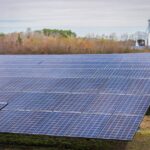
Expert Take: The surge in solar energy and home battery storage in Texas is a game-changer for homeowners. With rising electric bills and ERCOT’s continued grid warnings, the push for energy independence has never been more critical. Embracing solar and incorporating a home battery system is not just a trend; it’s a necessary strategy to combat unpredictable utility rates and achieve long-term financial stability.
Quick Summary: Texas has reported unprecedented levels of solar energy production and home battery storage this summer, emphasizing the urgent need for homeowners to consider energy independence as Texas faces continued grid challenges.
The Facts:
Texas recorded a summer of record-breaking solar energy production.
Home battery storage installations have surged, enhancing energy resilience.
ERCOT issued multiple grid warnings, raising concerns over electricity reliability.
Homeowners are increasingly seeking energy independence amid rising electric bills.
The state’s policy environment is increasingly supportive of solar initiatives.
Deep-Dive Analysis
As we analyze the impact of the recent records in solar energy and home battery storage in Texas, it’s essential to contextualize these developments within the broader dynamics of the Sun Belt and Western Grid. The renewable energy landscape is rapidly evolving, particularly in regions like California, Texas, Arizona, and Florida, characterized by their ample sunlight and pressing demands for sustainable energy solutions.
In California, where utility companies such as PG&E and SCE grapple with significant rate hikes and outages, residents are taking charge of their energy future. The soaring costs of electric bills have pushed many homeowners toward solar energy adoption. In combination with home battery systems, they can store surplus energy generated during the day for use at night or during outages. This not only provides peace of mind but also shields them from escalating utility prices.
Recent statistics indicate that California’s residential solar market is thriving. With an investment-friendly environment, quick return on investment (ROI), and substantial government incentives, transitioning to solar has become more accessible than ever. For many, it represents a pathway to energy independence and a hedge against PG&E’s ongoing reliability issues.
Similarly, Texas is experiencing a paradigm shift. The Electric Reliability Council of Texas (ERCOT) has issued multiple grid warnings due to unexpected demand surges causing strain on the system. With record-breaking levels of solar energy production this summer, Texans have begun to realize that they can take control of their electricity usage and costs by shifting towards solar installations and home batteries. The rise in electric bills, accentuated by ERCOT’s challenges, has been a wake-up call for many homeowners.
Arizona, another Sun Belt state, has not been left out of this solar renaissance. The Salt River Project (SRP) and Arizona Public Service (APS) have implemented policies that favor residential solar adoption, helping families mitigate their energy costs. With the state ranking high for solar potential, becoming energy independent with solar power and battery storage is a feasible path for many Arizonians. By 2023, the state has already seen a significant increase in solar installations compared to previous years.
In Florida, the solar landscape has also changed drastically, in part due to favorable policies and a growing awareness of the benefits of renewable energy. Homeowners across the state have recognized the importance of cutting down utility costs while aligning with the sustainability goals that many municipalities are striving for. Florida Power & Light has implemented initiatives encouraging solar energy adoption, making it easier for residents to invest in home battery systems and ultimately secure energy independence.
The interplay of these regional dynamics illustrates a crucial trend: homeowners in the Sun Belt are realizing that to achieve resilience against rising electric bills and grid uncertainties, the adoption of solar energy technologies along with home battery systems is becoming imperative. The status quo of relying on traditional utility providers no longer serves the interests of economically-conscious residents, and the most proactive individuals are leaning into this renewable energy revolution.
Common Questions
What recent changes in Texas solar policy support increased solar energy adoption?
Recent policy changes in Texas have created a more favorable environment for solar energy, encouraging both homeowners and businesses to invest in renewable options. This includes streamlined permitting processes and incentives for solar installations, which work in tandem with rising concerns over grid reliability.
How are ERCOT’s grid warnings affecting consumer behavior in Texas?
ERCOT’s grid warnings have heightened awareness among Texas consumers about the importance of reliable energy sources. Many are now more inclined to consider solar energy systems and home batteries as a means to secure their electricity needs while driving down their electric bills.
What specific benefits can homeowners gain from installing home batteries alongside solar panels?
Home batteries provide homeowners the capability to store excess solar energy generated during the day for use during nighttime or outages. This ensures a continuous power supply, minimizes reliance on the grid, and offers significant savings on electricity bills.