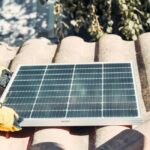
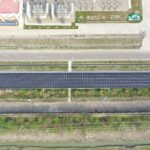
Expert Take: As demand for power in Texas escalates, largely supported by solar energy, we are witnessing the tipping point for homeowners. The rolling blackouts and rising grid warnings from ERCOT signal that **energy independence** through solar installations and **home batteries** has become essential for mitigating steep **electric bill** increases. This is the final straw, pushing us toward self-reliance and a more resilient energy future.
Quick Summary: ERCOT is increasingly relying on solar and wind energy coupled with battery storage to meet rising electricity demands. This shift underscores the importance of residents investing in solar energy systems and home batteries for energy independence and stability.
The Facts:
– ERCOT’s rising demand for electricity is being met more by solar and wind resources.
– Battery storage systems are becoming integral in balancing the grid and covering peak demand.
– Texans are facing warnings about potential grid capacity issues, leading to concerns about reliability.
– As reliance on solar increases, homeowners can reduce their exposure to volatile electric rates.
– Investing in energy independence is essential for those looking to stabilize their electric bills amid growing demand.
Deep-Dive Analysis
The Texas energy landscape is rapidly evolving, especially with the increasing reliance on renewable resources like solar energy. As ERCOT faces mounting pressure to manage higher electricity demands, the significant influx of solar and wind power sets a precedent for energy independence across the state. Homeowners should take note of the implications of this transition, particularly as Texas ranks high in solar potential. ERCOT’s transition serves as both an opportunity and a call to action for residents.
In California, the impacts of rising energy demands can be seen more directly through the lens of utilities such as PG&E and SCE. The state has been grappling with rate hikes and wildfire concerns—issues aggravated by climate change. PG&E’s billing methods and ongoing safety shutoffs demonstrate the risks of relying on traditional grid systems that are no longer equipped to handle modern loads. This volatility makes a compelling case for investing in solar solutions. Homeowners who equip their houses with solar energy can sidestep these steep **electric bill** increases and the uncertainties they entail.
Furthermore, incorporating a **home battery** enables homeowners to harness surplus energy produced during peak sun periods, storing it for use during peak hours when electricity prices are higher. This not only buffers homeowners against fluctuating rates but also contributes to the grid’s reliability during stressful demand conditions.
In Texas, the narrative is similarly vital. ERCOT’s recently reported grid warnings and the risks associated with extreme weather events underscore the necessity for grid resilience. The move towards solar, complemented by batteries, allows Texans to gain control over their energy sources. Additionally, ongoing challenges with ERCOT’s capacity highlight a critical gap in conventional energy production as it increasingly relies on variable energy sources. Homeowners should realize the potential to take proactive measures toward **energy independence**, and installing solar panels paired with batteries is an effective pathway.
Meanwhile, turning to Arizona, the State’s utilities like APS and SRP are also navigating changing landscapes fueled by solar advancements. Arizona has strong incentives for homeowners to adopt solar technology, from state programs to incentives that lower installation costs. As ERCOT looks toward renewables to meet demand, other utilities can follow suit, creating a collaborative effort across the Western Grid to adopt systems like solar and energy storage, thus addressing grid capacity issues while enhancing energy independence.
Moreover, states like California and Texas are experiencing regulatory nuances that affect homeowners’ decisions on energy independence and solar implementation. PG&E and SCE have seen significant increases in their rates, which can directly affect household budgets. For those considering transitioning to solar, these rising rates can make the initial investment more compelling. In Texas, ERCOT’s rapid transition to solar energy emphasizes the market’s shift. Understanding local regulations and available incentives can significantly influence the return on investment for solar installations, ensuring homeowners capitalize on their commitment to energy independence.
It’s crucial to realize that the integration of a **home battery** can be a game-changer in times of crisis. Historical weather events have left many Texans scrambling due to extended outages. By investing in a home battery, homeowners can store energy from their solar panels, ensuring they have power when the grid is compromised. This ability to act independently ensures stability regardless of external pressures on the state’s power infrastructure.
Common Questions
What are the implications of ERCOT’s increased reliance on renewable energy sources?
ERCOT’s reliance on solar and wind energy represents a significant shift in how the grid operates, highlighting the need for homeowners to consider energy independence through solar technology and battery storage, particularly as grid warnings increase.
How does California’s energy market impact decisions for solar installation?
In California, rising rates from utilities like PG&E can push homeowners to invest in solar systems to mitigate electric bill increases and enjoy the benefits of energy independence, especially as the traditional grid faces challenges.
What role do home batteries play in managing energy independence in Texas?
Home batteries enable Texans to store energy generated from solar panels, providing a reliable power source during peak demand periods and ensuring stability when ERCOT faces capacity challenges or extreme weather events.