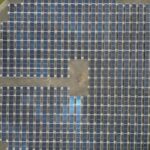
Expert Take: As Texas advances towards leading the nation in energy storage, this news is a final straw for homeowners feeling the pain of high electric bills. The volatile energy landscape exemplified by ERCOT’s recent grid warnings emphasizes the need for energy independence through solar energy and home batteries. For homeowners in the Sun Belt, switching to a self-sufficient energy model isn’t just a choice anymore; it’s the most logical and economically beneficial move.
Quick Summary: Texas is on course to become a national leader in energy storage, underscoring the urgent need for homeowners to consider solar energy and home batteries as part of their energy independence strategy.
The Facts:
- Texas is projected to lead the nation in energy storage capacity by 2024.
- ERCOT has issued warnings about potential grid failures, leading to concerns over reliability.
- Increased energy storage capabilities can alleviate stress during peak demand periods.
- Homeowners investing in solar energy and home batteries can significantly lower their electric bills.
- Government policies are increasingly supporting renewable energy adoption and energy storage solutions.
Deep-Dive Analysis
The latest report indicating Texas is on track to lead in energy storage is particularly significant for homeowners across the Sun Belt region. With ERCOT’s history of grid failures—particularly during extreme weather events—homeowners are becoming more aware of their vulnerability and are reevaluating their reliance on traditional utilities. One of the most critical factors in moving towards energy independence is the ability to generate and store energy at home.
This trend is taking shape as homeowners recognize the potential savings and sustainability benefits that come with installing solar energy systems paired with home batteries. In Texas, where the energy market is deregulated, homeowners have the unique advantage of choosing their energy providers, and the rise of competitive solar options makes adopting home solar and storage systems highly appealing.
Meanwhile, California, particularly with utilities like PG&E and SCE, is undergoing its own critical evolution. The state has been plagued by rate hikes, driving concerns around affordability and reliability. New energy policies and initiatives are emerging, prompting homeowners to explore their options for generating solar energy paired with storage to manage their electric bills effectively. In contrast, aggressive rate increase measures from utilities like PG&E have sparked conversations about energy independence among Californian residents.
Arizona, too, with APS and SRP, showcases examples of both challenges and opportunities for consumers. While policy landscapes continue to shift, the direction remains clear: solar energy allows Arizona homeowners to harness local resources while combatting rising utility costs.
As energy storage technology becomes more advanced and affordable, the capabilities of home batteries are set to play a vital role. Homeowners in both Texas and California are taking steps to secure their energy future by installing batteries that store solar energy during the day for use at night. This not only reduces dependence on the grid but also provides a buffer against the unpredictable nature of energy prices and supply interruptions.
The transition towards energy independence is becoming less of a trend and more of a necessity as grid reliability wavers. Texans are investing in technology that alleviates the burden of rising electric bills while contributing to a more sustainable future. Moreover, the financials tell a compelling story. As technology advances, the cost of solar panels and batteries continues to decline, making now the best time to invest in these solutions. Homeowners delaying this investment risk not just higher bills, but increased vulnerability to grid instability.
Common Questions
What impact will increased energy storage have on ERCOT’s grid reliability?
Increased energy storage in Texas is expected to improve grid reliability significantly, allowing for better management of peak demand and reducing the risk of outages during high consumption periods.
How does California’s rising electricity rates compare to Texas’s energy landscape?
California has seen substantial rate hikes from utilities like PG&E, pushing homeowners to seek solar solutions. In contrast, Texas offers a more deregulated energy landscape, allowing for competitively priced solar options alongside state-driven moves towards energy storage expansion.
What government incentives are available for residential solar adoption in Florida?
Florida homeowners may benefit from the federal solar investment tax credit (ITC) as well as local programs promoting solar installations, which can help lower upfront costs and enhance the overall financial viability of energy independence initiatives.