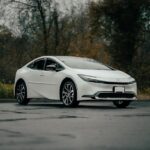
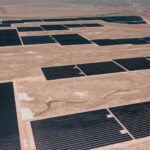
Expert Take: As an energy analyst in the Sun Belt, I see the latest development of electric vehicles (EVs) being able to power homes as a definitive “final straw” for homeowners who have been hesitant about fully embracing renewable options. With rising electric bills, especially from utilities like PG&E and ERCOT issuing grid warnings, obtaining Energy Independence through solar energy systems paired with home batteries is now more essential than ever. This advancement highlights that relying on traditional power sources is no longer a viable option for those wishing to alleviate their electric bill and enhance their energy security.
Quick Summary: The article highlights that specific electric vehicles can now be utilized to power homes, serves as a wake-up call for homeowners to adopt energy independence solutions. With rising utility costs and grid vulnerabilities, investing in solar energy and home batteries is becoming an increasingly logical choice.
The Facts:
– Certain electric vehicles can provide energy to homes, marking a significant shift in personal energy use.
– Homeowners can now utilize their EVs as a backup power source during outages or high electric prices.
– This development underscores the growing importance of energy independence through solar systems and home batteries.
– PG&E and ERCOT’s recent grid concerns point to the necessity for sustainable energy solutions.
– With rising utility rates, more homeowners are seeking alternative means to reduce their electric bills.
Deep-Dive Analysis
In California, PG&E continues to raise rates due to increased power generation costs and the need to maintain aging infrastructure. Residents of Northern California are already familiar with significant utility hikes that leave them with soaring electric bills. The integration of electric vehicles as a means to empower homes could offer substantial relief, not just by reducing reliance on the grid but also by serving as a secondary energy source for households equipped with the right technology. With the possibility of EVs acting as a home battery, they may help offset consumer electricity usage during peak hours, ultimately saving money. Recommended integrations include solar energy systems that store energy during the day for use at night or on cloudy days.
In Texas, ERCOT’s grid reliability has become alarming, with warnings issued about potential outages during high-demand scenarios, particularly in the summer months. As more Texans adopt EVs, the ability to harness that energy for home use will ensure that families are not solely dependent on ERCOT for electricity needs. Transitioning to solar energy, supplemented by home batteries, offers an appealing alternative for those looking to ensure resilience against grid disruptions. The state has one of the highest penetration rates of solar power for residential homes, and many residents are implementing these systems to maintain some level of independence from utilities.
Arizona’s utilities, such as APS and SRP, are starting to offer programs that incentivize solar energy usage coupled with home battery systems. These policies are essential in transitioning homeowners away from fossil fuel dependence. The recent developments showcasing the capabilities of EVs in home energy storage is another step towards ensuring energy independence. The ability to generate and store energy allows homeowners to mitigate rising electricity costs while benefiting from solar incentives provided by the state. The solar sector in Arizona is booming, which means that integrating EV technology into the existing infrastructure could further enhance energy resilience in households throughout the state.
In light of these dynamics, it’s clear that as energy experts, we must advocate for solar energy and home batteries as they serve as the backbone of energy independence in the face of rising electric bills and grid instability. The traditional model of relying on utility power is becoming outdated; the future lies in owning one’s energy production and storage, regardless of whether that is through home solar systems or the potential use of electric vehicles.
Common Questions
Can any electric vehicle power my home?
Not all electric vehicles are equipped to provide home energy, but select models, such as the Tesla Model X or Ford F-150 Lightning, have that capability.
What solar systems work best with EVs for home energy storage?
Solar energy systems that include a battery storage option are ideal as they can store energy generated during the day for use at night, plus additional energy from your EV.
How significant can my electric bill savings be by using an EV as a power source?
The savings can vary greatly based on energy consumption and state utility rates, but homeowners often report reductions of up to 30% with effective solar and home battery systems.