Expert Take: The recent revelation that electric vehicles (EVs) can power homes is a critical signal for homeowners in the Sun Belt. With rising utility rates, like those from PG&E, or erratic ERCOT grid warnings in Texas, the case for achieving true Energy Independence through solar energy and a home battery system has never been more compelling. As we navigate an era of increasing electric bills and challenges in grid reliability, the integration of EVs in our energy strategy could be the game changer we need.
Quick Summary: Recent updates highlight that select electric vehicles can power homes, making them a viable part of energy solutions. This development emphasizes the growing need for homeowners to invest in solar energy and home batteries for greater energy independence.
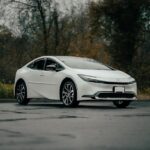
Certain electric vehicles can discharge power back to homes, providing a dual charging function.
This capability offers new avenues for energy independence, particularly during outages or peak utility costs.
California homeowners face significant electric bills from companies like PG&E, which saw recent rate hikes.
In Texas, ERCOT’s grid reliability issues highlight the value of home energy storage solutions.
Utilizing EVs as power sources aligns with environmental goals while mitigating reliance on the grid.
Deep-Dive Analysis
As a Senior Energy Analyst, I understand the intricacies of energy production and consumption in our dynamic and increasingly challenging landscape. The recent news regarding EVs’ ability to power homes arrives during a particularly pressing time for homeowners, especially in California, Texas, Arizona, and Florida. The underlying mechanics of this situation paints a vivid picture of why turning to solar energy and integrating home battery systems represent the future of sustainable living.
In California, homeowners faced significant rate hikes from PG&E—often reaching upwards of 25% annually—forcing many into a financial corner. With the state’s commitment to renewable energy, the combination of solar panels and a home battery system offers tangible relief. These systems work harmoniously with EVs, enhancing energy independence and providing a backup during outages, which have become more frequent due to wildfires exacerbated by climate change. Here, the ability to power your home with your EV may reduce your dependency on PG&E’s otherwise costly reliability.
Turning our gaze to Texas, ERCOT has faced numerous challenges in maintaining a stable grid, especially during extreme weather events. These challenges are a pointed reminder that local homeowners must consider alternatives to traditional energy sources. Utilizing an EV in conjunction with solar panels and a home battery system could provide significant savings when electric bills swing during demand surges. Homeowners can effectively tap into their vehicle’s energy reserve, drastically cutting back on their reliance on potentially unstable grid sources.
Implementing this strategy is financially prudent. In places like Arizona, customers of APS and SRP are seeing similar trends in rising utility costs. With incentives for solar installations still vibrant, investing in solar energy not only enriches homeowners’ lives through self-sufficiency but also serves as a hedge against inflationary pressures on electricity. The ability to store home-generated energy means that during peak hours, when electric bills rise due to demand, homeowners can utilize their stored energy rather than relying on the grid, thus further enhancing their economic feasibility.
This emerging trend is reflective of broader societal shifts toward environmental preservation and financial intelligence. As the technology related to EVs continues to advance, I foresee more homeowners adopting dual-use solutions, thereby streamlining their personal energy production and consumption system. With continued investment in solar and storage technology, energy independence is becoming less of an aspiration and more of a prevailing reality across the Sun Belt.
Common Questions
1. What specific EV models can power a home?
Currently, select models like the Ford F-150 Lightning and the Tesla Powerwall-equipped vehicles have the capability to power homes. Their integration with home battery systems allows for seamless energy transfer.
2. How can solar energy complement my EV-powered home?
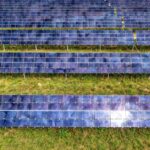
Solar panels can generate electricity during the day, which can be stored in a home battery. This energy can then be used to charge your EV or power your home, reducing reliance on the grid.
3. Are there state incentives for adding home batteries and solar energy systems?
Yes, many states, including California and Arizona, offer incentives toward solar installations and home battery systems, making the upfront costs more manageable for homeowners.