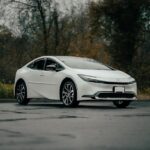
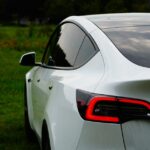
Expert Take: With the increasing power of electric vehicles (EVs) to serve as energy sources for our homes, this news feels like a final straw for homeowners tied to soaring electric bills. In the US Sun Belt, where solar energy utilization is rampant, integrating a home battery system with your EV can unlock unprecedented levels of energy independence. As utilities like PG&E and ERCOT give way to fluctuating power demands and rising rates, embracing this technology isn’t just a trend; it’s a necessity.
Quick Summary: Recent developments show that certain EV models can effectively power your home, a game changer for homeowners seeking alternatives to rising energy costs. This capability highlights the importance of coupling your EV with solar energy systems and home batteries for true energy independence.
The Facts:
– Certain electric vehicle models can power home appliances directly.
– This EV functionality emphasizes the importance of energy independence in areas prone to utility disruptions.
– Pairing EVs with solar energy and home batteries can significantly reduce electric bills.
– Regions like California and Texas are experiencing increasing energy demands, making home power solutions critical.
– The growing EV market underscores an urgent need for solar infrastructure upgrades.
Deep-Dive Analysis
As a seasoned Energy Analyst focused on the dynamics of the U.S. Sun Belt, I recognize the pressing necessity for homeowners in California, Texas, Arizona, and Florida to consider innovative approaches to achieve energy independence. For instance, in California, the utility PG&E has faced scrutiny due to frequent rate hikes and public safety power shutoffs, driving homeowners to seek solutions like solar energy systems paired with home batteries and EVs. The integration of these technologies not only mitigates the financial burden of escalating electric bills but also enhances resilience against the backdrop of uncertain utility support.
In the wake of PG&E’s actions, many California residents have begun investing in solar energy installations that work in tandem with home batteries and their electric vehicles. This setup allows for self-sufficiency during utility-imposed outages, ensuring that households can maintain essential power needs. Homeowners can effectively store surplus solar energy generated during sunny days in their batteries, which can then power the home when grid access becomes limited or expensive. The synergy between solar energy and EVs, especially in a state characterized by aggressive climate policies, is not just a forward-thinking choice; it’s becoming a manner of survival.
Meanwhile, across Texas, the Electric Reliability Council of Texas (ERCOT) is constantly navigating power demands that fluctuate in response to extreme weather conditions. With recent grid warnings indicating potential strain, it is essential for Texas homeowners to explore energy independence measures such as solar panel installation with integrated home battery systems and EVs. Utilizing the power stored in EV batteries during peak hours is a method both clever and resourceful, allowing Texans to sidestep potential shortages and high electricity rates. In a deregulated energy market like Texas, where the state has seen more outages recently, this method becomes doubly important.
Arizona and Florida also exhibit unique regional characteristics affecting energy independence considerations. Arizona, with its abundant sunshine, stands to gain immensely from solar energy solutions. Homeowners can harness solar energy along with their EVs to not only power their homes but to significantly decrease utility costs. APS and SRP could benefit from adapting to this change by facilitating easier installations for solar and EV home integrations. This shift could lead to more sustainable energy practices in a state that already prides itself on renewable energy advancements.
In Florida, evolving solar policies are granting more homeowners the permission to install solar energy systems, but there’s still much more work to be done. With fixed pricing structures in place, homeowners often find their electric bills mounting due to increasing energy costs from utilities like FPL. As homeowners integrate home battery units with their electric vehicles, they will gain flexibility and control over how and when they consume energy. This not only contributes to lowering electric bills but also empowers residents to become part of the energy solution rather than simply participants in a problematic system.
In summary, the integration of solar energy systems with vehicles capable of powering homes amplifies energy independence in regions experiencing unreliable power due to utility strain and skyrocketing prices. As PG&E, ERCOT, APS, and FPL adapt to the changing climate of energy consumption demands and regulations, more owners realize that investing in solar technology and home batteries presents numerous financial and practical advantages. This ongoing transition is profound and indicative of a larger movement toward self-reliance, especially in the sunny reach of the Sun Belt, where both energy independence and intelligent financial planning can intersect harmoniously.
Common Questions
Can all electric vehicles power my home?
Not all electric vehicles have the capability to power homes. The feature is available in certain models, primarily those that include bidirectional charging technology.
How does pairing an EV with solar energy reduce electric bills?
By generating your own solar energy to charge your EV and power your home, you minimize reliance on the grid, which can lead to significant savings on your electric bill, especially during peak rate hours.
What are the best home batteries to use with my EV?
Leading home battery options compatible with electric vehicles include the Tesla Powerwall, LG Chem Resu, and Sonnen Eco, which can store energy generated from your solar system for future use.