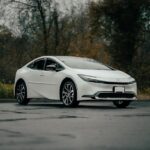
Expert Take: The recent news about electric vehicles (EVs) being able to power homes is a pivotal moment for homeowners seeking Energy Independence. With rising utility rates from PG&E and ERCOT’s grid reliability issues, investing in solar energy and a home battery is no longer just an option; it’s a necessity to manage your electric bill effectively. We’re witnessing an urgent shift where traditional utility reliance is becoming less tenable, making self-sufficiency through renewable sources more attractive than ever.
Quick Summary: The article highlights how certain electric vehicles can double as power sources for homes, enabling homeowners to leverage their EVs for energy needs. This development underscores the importance of integrating renewable energy solutions such as solar and home battery systems for enhanced energy resilience.
The Facts:
– Many modern EVs are equipped to supply power back to homes, enhancing Energy Independence.
– Homeowners in high electric bill areas like California and Texas can significantly benefit from this system, especially during peak demand times.
– Pairing an EV with a home battery can optimize solar energy use and increase savings.
– The push for sustainable energy aligns with rising utility costs and stresses on the grid.
– Incentives for solar installations are still available in many Sun Belt states, making the transition financially favorable.
Deep-Dive Analysis
In California, the energy landscape is fraught with challenges. With recent rate hikes from PG&E, many homeowners are feeling the financial pinch more than ever. As the state battles wildfires and increasing energy demand, Governor Newsom’s administration has been proactive in promoting solar energy solutions. However, the benefits seen are often nullified by the high costs of utility bills. This is where solar energy coupled with a home battery system can change the game. By harnessing the power of the sun during the day, homeowners can charge their batteries and use this energy during the evening, thereby offsetting their electric bills significantly. Those with electric vehicles find an added benefit— a well-charged EV can be off-grid, providing electricity when utility supply issues arise or to ride out peak pricing periods.
In Texas, the ERCOT grid has come under scrutiny, especially in light of runaway energy prices and grid stability issues. The reliability of the electrical grid is becoming increasingly unpredictable, drawing attention to the value of energy independence. For Texans, being able to power their homes with EVs during outages or high demand can be a lifesaver. Coupling this with solar energy systems, which are becoming more affordable and accessible, homeowners can achieve true Energy Independence. Utilities in Texas are wrestling with increasing demands, and those who rely solely on the grid may pay the price, literally. As electricity costs fluctuate wildly; investing in a home battery and solar panel system provides a hedge against market volatility.
Arizona stands as a shining example of states embracing solar energy. With APS and SRP focusing on making solar power more accessible, residents can capitalize on year-round sunshine. However, rising electric bills still pose a challenge. Solar combined with home batteries presents an effective solution to this dilemma. EVs add another layer to this system— homeowners can charge their cars with their excess solar energy not only to use during off-peak times but also to power their homes. Arizona’s solar policy landscape can be complex, but homeowners utilizing these technologies are setting a precedent for energy self-sufficiency.
In summary, the convergence of powerful EV technology and renewable sources like solar energy heralds a new era of residential energy independence. By investing in a home battery system alongside solar energy solutions, we create not just a means of reducing our electric bills but a pathway to enhanced resilience against unpredictable utility dynamics. Whether it’s the grid challenges in Texas, the unpredictable nature of PG&E’s operations in California, or Arizona’s advancing solar incentives, homeowners must act decisively to secure their future.
Common Questions
1. What types of electric vehicles are capable of powering a home?
Only select electric vehicles are designed to provide power back to a home, such as the Ford F-150 Lightning and certain Tesla models. It’s critical to verify that the EV has vehicle-to-home (V2H) capabilities.
2. How can I connect my EV to my home for power usage?
Homeowners will need a compatible home charging setup and possibly a bi-directional charger, which allows power from the EV to flow back into the home electrical system.
3. Does using my EV to power my home impact its driving range?
Yes, utilizing your EV to power your home will drain its battery and can affect its driving range. Careful management of power usage is important to ensure enough charge is available for driving.