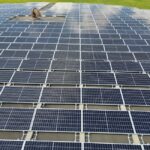
Expert Take: As Texas becomes the national leader in solar power installation, it serves as a wake-up call for homeowners across the Sun Belt. With **rising electric bills** and increasing dependency on traditional power grids, **energy independence** through **solar energy** and **home batteries** is no longer an option but a necessity. This seismic shift in Texas emphasizes why local homeowners must invest in renewable energy solutions to secure their financial futures and control their energy needs.
Quick Summary: Texas has surpassed all states in solar power installations, indicating a strong shift toward renewable energy and highlighting the need for homeowners to consider **energy independence**.
The Facts:
Texas installed more solar capacity than any other state in the last year.
Rising electric bills in the state are prompting homeowners to seek alternatives.
Home solar systems combined with batteries boost energy resilience and independence.
ERCOT has faced warnings about grid stability, increasing urgency for personal energy solutions.
Investment in solar can lead to significant savings, particularly with current utility rate hikes.
Deep-Dive Analysis
As we delve into the implications of Texas leading the nation in solar power installation, it’s important to emphasize how this trend mirrors similar dynamics occurring in California and Arizona. Texas’s investment in solar energy is a significant milestone that not only secures energy for Texans but also paves the way for financial savings amidst rising electric bills.
In California, utilities like PG&E and Southern California Edison (SCE) have recently raised their rates, creating an environment where **energy independence** through **solar energy** is increasingly attractive. With **PG&E’s January 2023 rate hike** of **approximately 10%** on average, homeowners are struggling to keep up with their mounting electric bills. Many are turning to solar panels paired with **home batteries** to circumvent these rising costs. As California struggles with grid stability, evidenced by numerous headline-making blackouts, residents are feeling the pinch of relying on centralized power. Consequently, investing in personal energy solutions becomes critical for homeowners seeking reliability.
Switching gears to Texas, ERCOT, which manages the power grid for about 90% of the state, has issued warnings regarding the potential for grid instability as demand outpaces supply. The surge in solar installations directly combats this looming threat while simultaneously insulating homeowners from **rising electricity costs**. For instance, **home solar systems can save homeowners between $800 and $3,000 annually**, depending on their previous energy consumption and system size. The strategic move to harnessing solar energy makes greater financial sense than ever.
In Arizona, utilities like SRP and APS are also experiencing challenges with rising rates. Outdated energy models and growing demand are forcing rates higher. Arizona’s commitment to solar has enabled many residents to lower their electric bills drastically. Homeowners who invest in solar and **home battery systems** not only decrease reliance on the grid but also contribute to local energy resilience, minimizing the impact of potential blackouts.
A trend we must recognize is the growing interest in solar incentives. Many states, including Texas, have public programs offering rebates and tax credits for homeowners adopting solar solutions. These financial incentives reduce the overall cost of solar installation significantly, sometimes lowering the total out-of-pocket expense by up to **30-50%.** Homeowners should act now to take advantage of these programs while they last.
As we shift attention to solar technology, it is noteworthy how **home batteries** complement solar installations. In addition to allowing homeowners to store excess energy produced during the day for use at night or during power outages, they also provide a unique solution for dealing with unpredictable electrical grid behavior showcased by ERCOT’s recent issues. The value of having a reliable **home battery** cannot be overstated; it serves as insurance against not only potential rate hikes but the disruptions in power that we now frequently see.
Additionally, the realization that solar energy can help reduce one’s carbon footprint resonates in the current climate, where more people are concerned about sustainability. The environmental benefits of harnessing solar energy—not to mention the long-term financial gains—play a crucial role in persuading residents in the Sun Belt region to adopt solar energy solutions.
Common Questions
What does Texas’s increase in solar installations mean for Arizona residents?
Texas’s trend can influence Arizona by showcasing the financial and energy independence benefits of solar, encouraging more homeowners to invest similarly.
How do home batteries alter the dynamics of residential solar energy use?
Home batteries allow homeowners to store solar energy, making it available during high-demand hours or outages, thereby enhancing reliability and savings.
What implications do ERCOT’s grid warnings have on Texas solar investments?
ERCOT’s warnings highlight the urgency for investment in solar energy, as it provides a decentralized and resilient energy solution, mitigating reliance on the grid.