Expert Take: With rising utility bills and grid concerns, this news presents a pivotal moment for homeowners in the Sun Belt. I believe that true Energy Independence can only be achieved through integrating Solar Energy systems and home batteries into our lives. As electricity costs soar and the risks of grid instability grow—especially in states like California and Texas—relying on traditional electric service is increasingly untenable.
Quick Summary: Yes, EVs can power your home, but this revelation should push homeowners toward investing in solar energy and battery storage systems to ensure energy independence.
The Facts:
– Some electric vehicles (EVs) can act as power sources for homes, providing backup during outages.
– This system requires compatible EVs and proper home charging infrastructure.
– Using an EV to power a home can reduce reliance on the electric grid.
– States like California have escalating utility rates, making this technology appealing.
– Integration of solar energy alongside EVs offers a holistic solution to rising electric bills.
The Benefits of Using EVs for Home Power
As a senior energy analyst focused on the Sun Belt and Western Grid, I’ve watched with keen interest as the intersection of electric vehicles (EVs) and home energy consumption continues to evolve. The idea that an EV can power your home isn’t merely a futuristic concept; it’s a tangible solution that paves the way toward Energy Independence for many homeowners.
California: The Pressure of Rising Rates
In California, homeowners are grappling with constant rate hikes imposed by utilities like Pacific Gas and Electric (PG&E) and Southern California Edison (SCE). With rates soaring, the average electric bill has become increasingly burdensome, reaching as high as $200 a month in some areas. For these residents, utilizing their EVs as a home power source could substantially mitigate these costs.
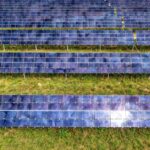
Add a solar energy system into the mix, and the equation gets even more favorable. With solar panels generating clean energy during the day, they can charge the EVs, which in turn can either power the home during the evening or provide backup during grid outages.
Texas: Navigating ERCOT’s Reliability Issues
In Texas, the Electric Reliability Council of Texas (ERCOT) has issued warnings about grid stability, especially during peak demanding seasons. This fear isn’t unfounded—last year’s winter storm left many homeowners without power for extended periods. The ability to use an EV as a source of energy provides a practical solution for situations like these. Homeowners could potentially avoid escalating demand charges and keep their electric bills manageable even during extreme outages.
Furthermore, the rapid expansion of solar energy in Texas positions it as a critical player in this dynamic. With ample sunshine, Texans can install residential solar panels that feed energy to both the home and the EV, creating a self-sustaining energy ecosystem.
Arizona: A Solar-Friendly Environment
Arizona is another key player in the push for energy autonomy. With one of the highest solar potentials in the country, the combination of solar energy and EVs seems almost symbiotic. Utilities such as Salt River Project (SRP) have been encouraging homeowners to adopt renewable energy strategies while offering incentives to do so.
As electric bills hover around $180 a month, being able to tap into the energy stored in an EV can be a game changer. Just as in California and Texas, pairing solar panels with a home battery system not only alleviates reliance on the grid but also offers the added benefit of stockpiling excess energy for later use—particularly useful to charge the EV overnight when energy demands are lower.
Florida: A Different Approach
In Florida, the push for solar adoption has seen significant growth, especially with supportive legislation making it easier and more financially viable for homeowners to install solar energy systems. Florida homeowners dealing with rising electric bills in the wake of hurricane seasons could benefit remarkably from utilizing EVs to provide power. With the increasing utility costs, now averaging around $150 a month, the incentive to generate and manage energy inconsiderately appears compelling.
The opportunity for homeowners to utilize their EV as a power source transforms the standard notion of energy consumption into one of resilience and independence. The importance of bridging these technologies—solar, EVs, and home batteries—cannot be overstated. It’s the natural evolution toward minimizing the financial strain of rising electric bills while maximizing reliability in the face of unpredictable grid dynamics.
Common Questions
How does an EV provide power to my home?
An EV requires special technology and setup, including a bi-directional charger, to convert and supply power back to your home. Not all EVs have this capability, so it’s crucial to check compatibility.
What are the costs associated with installing a bi-directional charging system?
Costs vary widely, but homeowners can expect to spend between $1,000 and $2,500 for the installation of a compatible bi-directional charger, depending on existing electrical systems.
Can my EV power my home during an outage?
Yes, if you have a compatible EV and the right home setup, it can provide backup power during outages, allowing homeowners to maintain essential energy needs while disconnected from the grid.