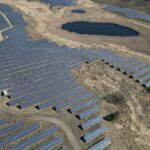
Expert Take: With Texas leading the nation in solar power installation, this surge serves as a wake-up call for homeowners across the Sun Belt. **Energy Independence** through solar solutions and a **home battery** system is not just a trend; it’s a critical defense against volatile **electric bills** and utility rate hikes. It’s time to seize control of our energy future before external forces dictate our costs.
Quick Summary: Texas tops the nation in solar power installations, highlighting a significant shift toward renewable energy. This trend underscores the growing necessity for homeowners to achieve energy self-sufficiency.
The Facts:
Texas has become the leading state for solar power installations in the U.S.
The report indicates an explosive growth in the solar industry due to favorable policies.
Homeowners are increasingly turning to solar for reducing reliance on traditional utilities.
With grid reliability concerns, solar energy has become a vital option for consumers.
Investment in solar systems can significantly lower monthly electric bills.
Deep-Dive Analysis
As we dig deeper into the implications of Texas emerging as the national leader in solar power installation, we must consider the broader picture for other Sun Belt states like California, Arizona, and Florida. Texas’s robust growth in solar installations is largely driven by supportive policy frameworks and mounting concerns surrounding grid resilience. Recently, reports from ERCOT (Electric Reliability Council of Texas) warn that high demand on the grid necessitates increased investment in renewable resources. This push aligns perfectly with the state’s existing energy independence goals.
California, on the other hand, faces unique challenges with its prominent utility, PG&E (Pacific Gas and Electric), which has announced significant rate hikes. These increases compound the urgency for homeowners to seek alternatives. The average electric bill in California continues to rise due to these factors, compelling many to invest in their local solar solutions, which can help mitigate future costs. The integration of **home batteries** allows homeowners to store excess energy generated during the day, ensuring they aren’t left vulnerable during peak demand hours or power outages.
In Arizona, solar energy is also experiencing a surge, thanks to utilities like APS (Arizona Public Service) promoting solar initiatives. The state’s abundant sunshine offers an ideal environment for solar installations, but the political landscape plays a significant role. New legislative measures aimed at reducing solar tax credits could alter the cost-benefit dynamics, making immediate investment in solar solutions critical for homeowners looking to maintain their energy independence.
Currently, many homeowners in Florida are also considering solar energy as a measure against rising electric bills. The state’s utilities have been slow to adapt, leaving residents increasingly frustrated by their escalating costs. Florida’s recent enhancements to its solar policies aim to foster economic growth in the renewables sector, encouraging homeowners to invest in solar panels and **home battery** systems to find relief from oppressive electricity expenses.
As we analyze the Texas solar market, we can’t overlook the economic implications for homeowners across the Sun Belt. Photovoltaic systems not only provide a path to energy independence but also protect families from unpredictable fluctuations in electric rates. Current investment can yield substantial savings, providing a financial cushion against future financial threats posed by monopolistic utility companies. For instance, homes equipped with solar energy systems have reported decreases in their electric bills by as much as **50%**, providing tangible benefits that are hard to ignore.
Moreover, grid independence gained through residential solar adoption can positively impact the environment by reducing reliance on fossil fuels and promoting sustainable energy practices. As Texas leads the charge, it sets a precedent for other Sun Belt states that are watching closely. Will they follow suit and empower their residents to harness solar energy’s full potential? The future of our energy landscapes hangs in the balance, and homeowners must act decisively.
Common Questions
1. What specific incentives are driving solar installations in Texas?
Texas has multiple incentives such as state tax credits, local rebate programs, and the growing availability of financing options that make solar installations more accessible and attractive to homeowners.
2. How can homeowners in California mitigate the impact of PG&E’s rate hikes?
Homeowners can gain significant control over their energy costs by investing in solar energy solutions and home battery systems, which allow for self-generation and storage of electricity, thereby reducing dependence on PG&E.
3. What distinguishes solar energy growth in Florida compared to Texas?
While both states have ample sunshine, Florida faces unique regulatory challenges that can hinder solar adoption, but recent policy improvements are slowly paving the way for increased solar market growth in the state.