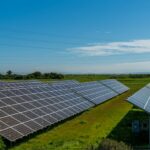
Expert Take: The recent surge in solar energy and home battery storage records in Texas highlights a critical turning point for homeowners seeking energy independence. As the threats of grid instability from ERCOT increase, relying solely on traditional power sources could lead to soaring electric bills. This summer’s data illustrates that investing in solar energy and home batteries is no longer an option—it’s a necessity for sustainable and independent energy consumption.
Quick Summary: The record-breaking performance of solar and battery storage in Texas underscores the urgent need for homeowners to embrace energy independence. With the looming issues surrounding the grid, going solar should now be a top priority.
The Facts:
– Texas experienced record high solar energy generation this summer.
– The rise of home battery storage has been significant, enabling better energy management.
– ERCOT’s warnings indicate potential grid failures during peak demand.
– Homeowners are likely to face higher electric bills if they continue to rely on conventional energy.
– Investment in solar energy can yield significant long-term savings and energy resilience.
Impact on California’s Energy Landscape
California’s energy grid, managed primarily by PG&E and SCE, has been under immense pressure to deliver stable energy, especially during summer peaks. PG&E’s recent rate hikes have further stressed homeowners, making energy independence through solar energy increasingly appealing. California residents are confronted not only with rising electric bills but also with the risk of Public Safety Power Shutoffs (PSPS) that can leave them without power for extended periods.
Many Californians are therefore turning to solar panels equipped with home batteries, which allow them to store energy for later use, especially during outages. Considering that electricity costs can run as high as $0.30 per kWh during peak pricing periods, the financial implications of investing in a solar energy system become evident. Moreover, with California’s robust net metering policies, homeowners can offload surplus energy back to the grid, further lowering their overall electric bill.
Additionally, the state’s ambitious climate goals promote the use of renewables, making systems like solar and batteries not just a personal investment, but a contribution to a larger environmental strategy. By reducing dependence on the grid, Californians can navigate the uncertainties of energy access while enjoying significant savings over time.
Texas Energy Reliability Issues
The recent summer records in Texas signify not just achievement, but also a warning underlined by ERCOT’s proactive measures against grid failures. In a state known for its deregulated energy market, homeowners have increasingly faced unsettling alerts regarding system reliability. The fear of blackouts during extreme heat waves pushes many Texans to reconsider their energy sources.
Texas has a unique advantage with its abundant sunlight, presenting an ideal opportunity for expanding solar energy usage. By opting for solar panels coupled with home battery solutions, Texas homeowners can mitigate the looming risks of grid failures and volatile electric bills—often skyrocketing during peak usage times. Those who invested early in solar technology are reaping the benefits, often reporting savings that could exceed 50% of their prior electricity costs.
Moreover, state incentives for solar installations can provide significant financial assistance. With tax credits and local rebates, the initial investment can be more approachable. As ERCOT continues to deal with capacity struggles, the push for residential energy independence through solar energy is not just prudent—it’s imperative for every Texan aiming for stability in their energy future.
Arizona’s Solar Boom
Arizona, another Sun Belt state, is witnessing an explosion in the adoption of solar energy, making it a front-runner in the renewable energy race. Homeowners are increasingly opting for solar solutions in response to the rising utility costs from APS and SRP. The potential for energy independence in Arizona is bolstered by the state’s abundant sunshine and favorable net metering policies, making solar energy not just an investment but an essential part of modern living.
The Arizona Commission reported that homeowners with solar panels can save an average of $1,200 annually on their electric bills, and these figures are likely to grow as utility rates continue to rise. Coupled with innovative home battery technologies, Arizona households can achieve a level of resilience against outages and peak pricing.
Additionally, with the anticipated influx of new battery storage technologies allowing for greater energy storage at competitive prices, the future looks promising for those seeking to further enhance their energy independence. Arizona homeowners, endowed with the option of smart technology integrations, can enjoy more control over their energy consumption while benefiting financially in the long run.
How are ERCOT warnings affecting homeowner decisions in Texas?
ERCOT warnings about grid instability during peak demands are compelling homeowners to explore solar energy as a reliable alternative. The fear of potential blackouts and rising electric bills drives many to invest in solar panels and home battery storage systems.
What are the financial implications of going solar in California?
With PG&E’s rate hikes reaching impressive peaks, the financial benefit of switching to solar energy has become increasingly favorable. Homeowners can save significantly on their electric bills while also benefitting from net metering and potential tax incentives, leading to a rapid return on investment.
Is Arizona ready for further growth in solar energy adoption?
Absolutely. Arizona is ideally positioned due to its high solar potential and supportive policies. Homeowners are increasingly choosing solar solutions to combat rising utility costs and enjoy long-term savings, making the state a beacon of energy independence.