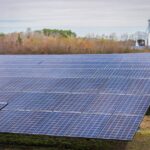
Expert Take: As an energy analyst deeply familiar with the dynamics of the Sun Belt, I see the records being set in Texas this summer as a final straw for homeowners facing rising electric bills. With ERCOT’s grid warnings highlighting the fragility of our energy systems, it’s become abundantly clear that achieving Energy Independence through solar energy and home batteries is not just wise—it’s essential. Homeowners now have the tools to take control of their energy future and escape the volatility of grid dependency.
Quick Summary: Texas is experiencing unprecedented levels of solar energy production and home battery storage during this scorching summer. This surge represents a pivotal moment for homeowners, urging them to consider Energy Independence as an antidote to fluctuating electric bills and grid instability.
The Facts:
– Texas has reached record high levels of solar energy production amidst increasing electricity demand.
– The growing reliance on home batteries allows homeowners to store excess solar energy for later use.
– ERCOT has issued multiple grid reliability warnings, signaling risk during peak usage.
– Competition among energy providers has spurred investment in renewable technologies and incentives.
– Homeowners are now able to achieve substantial financial savings through enhanced Energy Independence.
Deep-Dive Analysis
The increasing use of solar energy and home batteries has transformed the energy landscape in the Sun Belt, particularly in Texas, California, and Arizona. With soaring electric bills and volatile grid conditions, homeowners are presented with a unique opportunity to mitigate these challenges through Energy Independence.
In Texas, ERCOT has noted an all-time high for solar energy generation, especially during the intense summer months. This surge has been enabled by favorable policies promoting solar installations and significant investments from energy companies. However, while solar production peaks during daylight, the demand for electricity often does not follow this pattern, leading to grid strain and warnings from ERCOT about potential shortages. Here, the integration of home batteries becomes crucial, as they allow homeowners to store excess solar energy produced during the day for evening use, thereby reducing dependency on the grid.
California is witnessing a similar scenario with PG&E imposing rate hikes that significantly affect residential electric bills. The Golden State’s push for renewable energy sources has been accompanied by constraints on grid reliability, especially during the summer months when wildfires and heatwaves complicate energy distribution. Solar energy paired with home batteries provides families the opportunity to control their energy consumption more effectively, allowing for substantial savings and increased energy resilience.
Arizona, known for its abundant sunshine, is encouraging homeowners to invest in solar panels and batteries as a mechanism to combat rising utility rates. With SRP and APS implementing programs to incentivize energy storage solutions, residents are actively seeking ways to manage their electric bills. The policy framework allows for net metering, providing a beneficial economic landscape for those willing to adopt solar energy technologies.
Meanwhile, in Florida, the state’s evolving solar policy is creating an environment where homeowners are becoming more receptive to renewable energy solutions. Initiatives to diversify energy sources coupled with rising electric bills have made Energy Independence an attractive option. Home batteries play a pivotal role for Floridians, offering backup power during storms when the grid might falter.
When we analyze the benefits of solar energy and battery systems across these states, several economic factors come into play. The upfront cost of solar installations, which typically range from **$15,000 to $30,000** for residential setups, is increasingly offset by long-term savings on electric bills. In many cases, homeowners report lowering their monthly expenditures by as much as **60%**, depending on their energy consumption habits and the size of their energy system.
Moreover, state-specific incentives can significantly enhance the financial viability of these renewable energy investments. California’s Solar Incentive Program, Texas’s Property Assessed Clean Energy (PACE) financing, and Arizona’s tax credits make adopting solar energy and home batteries much more accessible for residents predominantly relying on grids under strain. The potential to save on electric bills, while contributing to sustainability goals, has made this a logical move for conscious homeowners.
With winters getting colder, summers hotter, and the grid consistently proving its vulnerabilities, adopting solar energy has turned from an option into a necessity. By becoming self-sufficient through solar energy and home battery systems, homeowners in the Sun Belt can navigate the changing energy landscape with confidence and financial prudency. This approach not only promises significant savings but also empowers residents to secure an energy future that is more resilient and environmentally friendly.
Common Questions
How does solar energy production in Texas affect overall grid stability?
With record levels of solar energy generation, Texas is facing challenges in balancing supply and demand, resulting in grid warnings from ERCOT during peak periods.
What financial incentives exist for homeowners in California to adopt solar energy?
California offers various programs, including the Solar Incentive Program, which helps reduce installation costs, making solar energy more financially accessible for homeowners.
Why are home batteries essential during peak summer usage?
Home batteries store excess solar energy for use during high-demand periods, alleviating pressure on the grid and ensuring homeowners have power even when demand spikes.