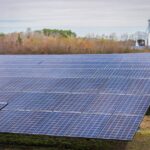
Expert Take: The recent record-breaking summer of solar and battery storage in Texas signifies a seismic shift in how homeowners approach their electric bill and energy needs. With ERCOT issuing grid warnings, it’s clear that traditional energy sources can no longer guarantee reliability; homeowners must seek energy independence through solar energy and home batteries. This record-breaking data acts as a final straw, revealing that investing in solar solutions is not just beneficial—it’s essential for self-sustainability.
Quick Summary: Record-high levels of solar generation and battery storage in Texas during the summer highlight the growing dependency on renewable energy sources. As ERCOT faces challenges in grid stability, homeowners in the Sun Belt regions must consider solar energy as a viable solution for energy independence and to combat rising electric bills.
The Facts:
– Texas experienced record levels of solar energy generation this summer, significantly exceeding previous benchmarks.
– ERCOT issued multiple grid warnings due to high demand and low availability of traditional energy sources.
– There has been a notable increase in homeowners investing in home battery storage solutions to complement their solar installations.
– The potential for energy independence through solar and home batteries is becoming increasingly attractive amid rising utility costs.
– States like California and Arizona are also seeing similar patterns with their energy policies and consumer trends.
Deep-Dive Analysis
The current situation in Texas reflects a pivotal moment in residential energy paradigms across the Sun Belt, particularly as ERCOT grapples with its operational challenges. Homeowners who have adopted solar energy systems are allowing themselves not only to lessen their dependence on the grid but also to build resilience against unpredictable rate hikes from traditional utility providers such as Oncor and the deregulated landscape of Texas.
In California, the dynamics are different yet equally compelling. As PG&E continues to announce significant rate hikes in their residential tariffs, homeowners are increasingly turning to solar solutions as a means of energy independence. The financial implications of these hikes can be staggering, with increases potentially topping $100 monthly for many families. In contrast, the cost of solar panels has been steadily declining. When coupled with home battery systems, consumers can essentially store energy for later use, significantly reducing their dependency on the grid during peak hours and ensuring they remain insulated from rapid price fluctuations.
Meanwhile, companies like SCE are under pressure to comply with state mandates for cleaner energy portfolios, further incentivizing homeowners to adopt solar energy systems. In this context, energy independence not only serves as a personal financial strategy but also aligns with broader environmental goals dictated by state regulations.
Over in Arizona, the situation mirrors aspects of both California and Texas. Utilities like APS have begun to feel the weight of demand from consumers clamoring for solar incentives and home battery storage options. With net metering policies on the table, the ability for homeowners to capitalize on residential solar and store excess energy means they can offset their electric bills substantially. Arizona’s abundant sunshine provides an ideal backdrop for these developments, making solar installations an economically savvy choice for many.
From a financial perspective, the sunk costs of investing in home batteries and solar panels can often be recovered within a few short years, particularly when considering rebates and tax incentives. The landscapes in California, Texas, and Arizona differ in regulations and utility structures, but the underlying need for energy independence unites them. As ERCOT warns of potential rolling blackouts and PG&E raises rates, consumers are becoming acutely aware of the benefits of proactive energy management. For states like Florida, where solar policy is continuously evolving, the pressure to innovate in residential solar energy adoption is likewise mounting.
The emerging trend shows that as families endeavor to attain energy independence, they are also contributing to a more sustainable energy future. It’s a compounded effect: homes powered by solar not only reduce the carbon footprint but also help stabilize grid demands and lessen overall stress on traditional energy systems.
Common Questions
How did Texas achieve record solar generation this summer?
This summer, Texas saw increased solar output due to favorable weather conditions and a significant rise in solar installations. The combination of more sunlight and more homeowners adopting solar systems contributed to this record generation.
What are the implications for homeowners regarding ERCOT’s grid warnings?
ERCOT’s grid warnings indicate potential strain on Texas’ electricity supply, highlighting the importance of household resilience. Homeowners with solar energy and home battery systems can better manage their energy needs during periods of high demand, thus offering a safeguard against grid instability.
How do tax incentives influence solar adoption in states like California and Texas?
Incentives such as federal tax credits and state-level rebates make solar installations financially attractive, reducing upfront costs significantly. These incentives promote greater adoption rates and are critical in helping homeowners achieve energy independence more affordably.