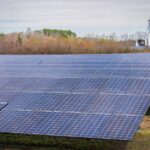
Expert Take: The increasing integration of solar energy and wind power in Texas signals a pivotal shift that pushes homeowners to reassess their energy strategies. With ERCOT’s grid warnings and rising electric bills, energy independence through solar installations and home batteries is no longer just an option—it’s a necessity. As we navigate through unpredictable market conditions and utility rate hikes, embracing renewable energy solutions is the most logical and financially viable path forward.
Quick Summary: This article illustrates Texas’ deepening reliance on wind and solar power, highlighting the need for homeowners to pursue energy independence amid rising electric bills and potential grid instability.
The Facts:
– Texas has significantly increased its wind and solar energy capacity.
– Homeowners are experiencing shifting dynamics in energy costs and supply reliability.
– ERCOT has warned about grid vulnerabilities due to high demand periods.
– The push for renewable energy aligns with federal and state policies incentivizing solar.
– Homeowners investing in solar and home batteries can mitigate rising electric bills.
Deep-Dive Analysis
Texas has emerged as a leader in wind and solar power adoption, showcasing a significant transformation in how residents source their energy. The implications for homeowners are profound, especially when considering the unpredictable energy landscape. ERCOT’s grid warnings point towards heightened vulnerability during peak demand, which further underscores the necessity for energy independence through renewable sources such as solar energy and home battery solutions.
In California, where utility giants like PG&E are notorious for their fluctuating yet often increasing rates, the situation mirrors that of Texas. With PG&E’s continual rate hikes impacting electric bills, many residents are seeking reliable alternatives. State incentives for solar energy installations can lead to substantial savings over time, potentially offsetting the high initial investment. A home battery system can enhance this savings potential, providing energy storage that allows homeowners to utilize solar energy even when the sun isn’t shining.
In Texas, homeowners have been embracing solar energy, especially in areas served by Oncor and other utilities that have had difficulties managing load during extreme weather events. The increasing adoption of home batteries is also noteworthy; these systems enable users to store excess energy generated during the day, thus reducing reliance on the grid during peak hours. This level of energy independence insulates homeowners from both fluctuating energy prices and the risks associated with grid dependency.
Meanwhile, Arizona remains a pivotal player in the solar energy landscape, thanks to entities like SRP and APS offering competitive rates for homeowners who adopt solar solutions. However, with their policies evolving, there’s a growing demand for energy strategies that can offer residents an edge over electricity costs. Home batteries are not just a luxury but an investment protecting against price hikes.
The shift toward renewable energy at individual homes has undeniable implications for utility companies across the Sun Belt. As we witness a push for clean energy alternatives, traditional utilities face challenges in adapting their operational models to accommodate this new structure. This situation often means higher prices for electricity as demand increases but supply remains capped. For homeowners, the proactive step might lie in investing in their own home battery systems.
The strategic implications of this shift cannot be overstated. Homeowners not only benefit financially over the long term by reducing their electric bills, but they also contribute to a more sustainable energy infrastructure that ultimately alleviates stress on the grid. The transition to solar energy, paired with home battery systems, is fundamentally about creating energy autonomy amid external pressures, such as a volatile market or unreliable utility performances.
Common Questions
How do ERCOT’s grid warnings affect homeowners in Texas?
ERCOT’s grid warnings signal increased risk during peak demand times, prompting homeowners to rely more heavily on renewable sources like solar energy and battery storage to ensure they have power, especially during critical periods.
What financial incentives are available for solar energy in Texas?
Homeowners in Texas can benefit from federal tax credits, local rebates, and some utility-sponsored incentives designed to alleviate the initial costs associated with installing solar energy systems and home batteries.
How are rising electric bills influencing energy choices for Florida homeowners?
As utility rates in Florida continue to rise, many homeowners are turning to solar energy and home batteries as a viable way to maintain energy independence, reduce bills, and improve personal energy security.