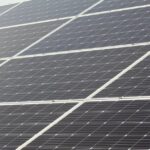
As a Senior Energy Analyst focused on the Sun Belt and Western Grid, I see the latest developments from ERCOT as a “final straw” for homeowners. The rising demand for energy met increasingly by solar and home batteries signifies a critical moment—installing a home battery system along with solar energy is rapidly becoming the only logical move for achieving true energy independence. With utility volatility in places like Texas and California, it’s imperative to take control of your electric bill now more than ever.
Quick Summary
ERCOT’s strategy of utilizing solar and wind energy to meet rising demand highlights the urgent need for homeowners to embrace energy independence through renewable sources. This approach not only mitigates dependence on traditional grid supply but also offers potential savings on electric bills.
The Facts
– ERCOT increasingly integrates solar and wind energy to meet demand.
– Homeowners can stabilize costs and reduce reliance on the utility grid.
– High volatility in energy prices poses risks to consumers, especially in Texas.
– Innovations in home battery technology are making energy independence achievable.
– Local utility infrastructures are under strain, drawing attention to the need for personal energy solutions.
Understanding the Current Landscape: Solar Energy as a Solution
In California, high-profile utilities like PG&E are infamous for their frequent rate hikes and power outages. With the latest reports indicating that California residents could see price increases of **up to 20%** over the next few years, investing in solar energy and a home battery system presents a practical solution for consumers seeking energy independence. With the complexity of California’s climate policies, the initiative to use home solar systems effectively diminishes reliance on the grid and stabilizes electric bills. Furthermore, with the risk of rolling blackouts, as seen during severe weather events, homeowners can rely on stored energy from their home battery systems when the grid is down.
Meanwhile, Texas finds itself in a unique situation with ERCOT issuing warnings about potential grid strain during peak demand periods. The summer months have already seen warnings of “energy emergencies.” With ERCOT depending heavily on renewable resources—especially solar during the day—homeowners who invest in solar energy and a home battery can access stored electricity during peak hours while drastically reducing their electric bills. And with ERCOT becoming increasingly reliant on these renewable sources, it only makes sense for Texas residents to seek energy independence to circumvent potential grid failures or price spikes linked to increased demand.
The Financial Impacts of Transitioning to Solar
Arizona utilities, such as SRP and APS, have also begun adjusting their policies to favor solar, even as they grapple with the economics of net metering and the integration of batteries into energy storage systems. Arizona homeowners stand to benefit significantly by leveraging these advancements. With strict rooftop solar policies and incentives to adopt renewable energy, combining solar panels with home batteries not only decreases dependence on the grid but can yield significant savings on monthly electric bills—potentially saving **hundreds of dollars annually**.
Florida’s solar policy escalates the conversation around the importance of energy independence too. The state’s push for solar has seen residential installations surge. Florida Power & Light has been proactive with solar projects, positioning residents to take advantage of state incentives. However, given the volatility in utility rates, now is the opportune moment for homeowners to invest in a home battery to maximize their solar energy efficiency and stabilize their electric bills over time.
The increasing viability and decreasing costs associated with solar energy and home battery systems make them essential tools for any homeowner aiming for energy independence. As we see solar and wind becoming key players in the energy mix in states across the Sun Belt, now is the time to prepare for future energy demands.
Benefits Beyond Economics
Every region’s approach to solar energy has different impacts, not just economically but environmentally. Lowering your carbon footprint while decreasing reliance on traditional power sources aligns with a growing trend toward sustainable living. As a Senior Energy Analyst, I’ve witnessed how utility dynamics contribute to regional grid patterns, making it critical for residents to secure their energy futures now.
Common Questions
How does ERCOT’s reliance on solar energy impact my electric bill?
ERCOT’s increasing use of solar energy aims to stabilize costs, but fluctuations in demand can still lead to price variability on your electric bill. An investment in solar and a home battery could shield you from price spikes during peak demand periods.
What resources are available for California homeowners dealing with PG&E rate hikes?
Homeowners can explore state incentives for solar installations, and various financing options can help mitigate the upfront costs. Additionally, integrating a home battery with solar can provide backup power during outages and help control electric bills.
Are there any solar incentives specific to Texas homeowners?
Yes, Texas offers several incentives for solar adoption, such as property tax exemptions and rebate programs. Homeowners can maximize financial return by combining these incentives with a home battery to store power during less sunny days.